Standing outside your home and imagining a different roof can be surprisingly enjoyable. Perhaps a darker color would complement the siding, or a more contemporary design would give the property some much-needed character. But choosing roofing materials involves considerably more than appearance.
Your roof faces the elements every single day. Summer heat, heavy rain, strong winds, and seasonal temperature changes all influence how well roofing materials perform over time.
With so many options available, deciding what suits your home can feel overwhelming. Some materials offer affordability, while others appeal to homeowners looking for greater durability or reduced maintenance.
The good news is that understanding a few essential differences can make the decision much easier. It’s about finding a roof that looks right, performs reliably, and makes financial sense for your household.
Why Traditional Shingle Roofing Remains a Popular Choice
Walk through almost any residential neighborhood, and you’ll notice how common shingle-covered roofs are. There’s a practical reason for their popularity.
For many homeowners, asphalt shingles offer an appealing combination of affordability, versatility, and dependable weather protection when properly installed and maintained.
They’re available in numerous colors and styles, making it relatively easy to find something that complements different architectural designs. Architectural shingles, for example, provide a dimensional appearance that can add visual depth to a home’s exterior.
Another advantage is their relatively straightforward repair process. Localized damage can sometimes be addressed without replacing the entire roof.
However, shingle quality varies, and cheaper products may not offer the same durability as higher-grade alternatives.
Consider local weather exposure, product specifications, and warranty conditions rather than making a decision based exclusively on upfront costs.
Exploring the Benefits of a More Durable Roofing Alternative
Some homeowners prefer investing more initially if it means potentially reducing replacement and maintenance concerns over the years.
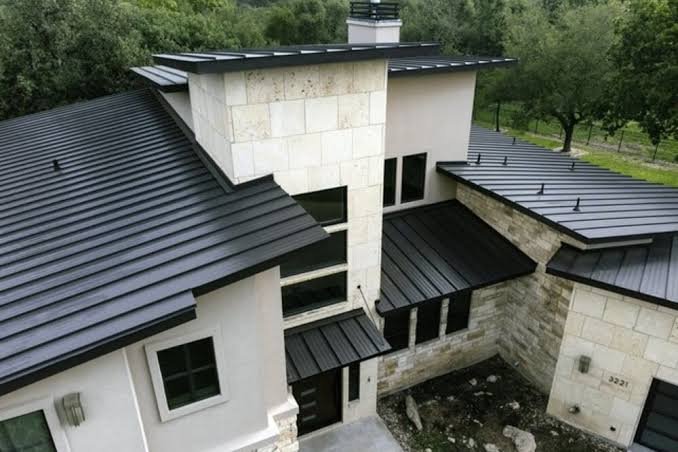
That’s where metal roofing becomes an attractive option, particularly for properties where longevity, weather resistance, and architectural appearance are significant considerations.
Modern designs are available in various finishes, colors, and profiles. Some create a sleek, contemporary appearance, while others resemble more traditional roofing materials.
Certain products can also reflect a portion of solar heat, potentially contributing to improved energy performance under suitable conditions.
However, installation requires specialized experience, and initial expenses may be higher than those associated with conventional shingle systems.
Noise during rainfall, thermal movement, and proper fastening methods are also worth discussing with your contractor.
When correctly selected and installed, this type of roofing can offer substantial long-term value.
Taking Time to Plan Before Construction Begins
Nobody wants to discover halfway through a roofing project that important details haven’t been considered.
Effective roof replacement planning involves evaluating the existing roof, establishing a realistic budget, comparing materials, and identifying potential structural concerns before installation begins.
Start by arranging a professional inspection. Hidden decking deterioration, ventilation problems, and damaged flashing may influence the scope of the project.
Ask for a detailed estimate explaining material costs, labor, existing roofing removal, and debris disposal.
It’s also sensible to discuss how unexpected repairs will be handled if additional damage becomes apparent during construction.
A little preparation can prevent considerable frustration later.
After all, replacing a roof is a significant investment, and rushing through the early decisions rarely makes the experience easier.
Let Your Local Climate Influence Your Decision
A roof that performs beautifully in one region might not be the most suitable choice somewhere else.
Homes exposed to frequent hailstorms may benefit from materials with appropriate impact-resistance ratings. Properties experiencing strong winds need roofing products and installation methods suited to those conditions.
In warmer climates, surface reflectivity and attic ventilation may deserve particular attention.
Snow accumulation and freeze-thaw cycles can introduce different challenges in colder regions.
Discuss these environmental factors with an experienced contractor who understands local conditions.
It’s tempting to choose a roofing material because it looks fantastic on another house. But appearance alone doesn’t reveal how effectively that product will perform on your property.
Practical considerations should carry just as much weight as personal style.
Comparing Initial Expenses With Long-Term Ownership Costs
The lowest-priced roofing option isn’t necessarily the most economical choice over time.
Consider how frequently materials may require maintenance, how easily damaged sections can be repaired, and how long the roofing system is expected to remain serviceable.
Warranty coverage deserves attention, too. Material warranties and workmanship guarantees may cover different concerns, so read the details carefully.
Think about how long you expect to remain in your home. Someone planning to relocate within a few years might have different financial priorities from a homeowner intending to stay for decades.
Comparing overall ownership expenses can help you make a more balanced decision without stretching your budget unnecessarily.
Remembering the Components Beneath the Surface
An attractive roof depends on more than its visible materials.
Underlayment, flashing, decking, and appropriately designed ventilation all contribute to the performance of the roofing assembly.
Neglecting these components can leave even high-quality roofing materials vulnerable to preventable problems.
Ask your contractor how these features will be addressed during installation.
Getting the underlying details right is particularly worthwhile when replacing an older roof, since correcting existing problems afterward could become considerably more expensive.
Finding a Roof You’ll Appreciate for Years
Choosing a new roof is ultimately about protecting your home while making an investment that feels worthwhile.
Consider durability, appearance, local weather, maintenance expectations, and your available budget. Work with experienced professionals who explain your options clearly.
The right roof doesn’t necessarily need to be the most expensive or fashionable one available.
It simply needs to suit your home, provide dependable protection, and give you one less thing to worry about when the next storm arrives.