When people think about improving their household water, the kitchen sink usually comes to mind first. And that’s understandable. Drinking water matters enormously. But what about the water you shower with, wash your clothes in, or use to clean dishes? Water quality influences far more of your daily routine than you might initially realize.
Investing in whole home water treatment allows homeowners to address specific water quality concerns at the main supply connection rather than relying exclusively on individual filters.
For families throughout Virginia and Maryland, this approach can offer practical advantages, particularly when water problems affect several rooms. Understanding the available technologies and how they work together can help you make a worthwhile investment in your property’s comfort and functionality.
Why Your Entire Household Deserves Better Water
Imagine spending a good portion of Saturday cleaning your bathroom, only to discover stubborn mineral deposits returning before the following weekend. Or perhaps your laundry never feels quite as fresh as you’d like.
These frustrations may have something to do with your water supply.
Hardness minerals contribute to limescale buildup, while suspended particles can accumulate inside faucet aerators. Certain substances may also produce unpleasant tastes or odors.
A filter attached to your kitchen faucet won’t necessarily address problems elsewhere in the house.
Centralized treatment offers a broader approach, targeting identified concerns before incoming water travels through connected plumbing.
It’s particularly worth considering when water quality issues create repetitive maintenance tasks throughout your property.
Finding Treatment That Matches Your Water Conditions
Every household has different water characteristics. Some properties experience excessive hardness, while others struggle with sediment, iron staining, or objectionable odors.
Effective whole-house water treatment solutions should be designed around measured water conditions rather than assumptions about what a typical household needs.
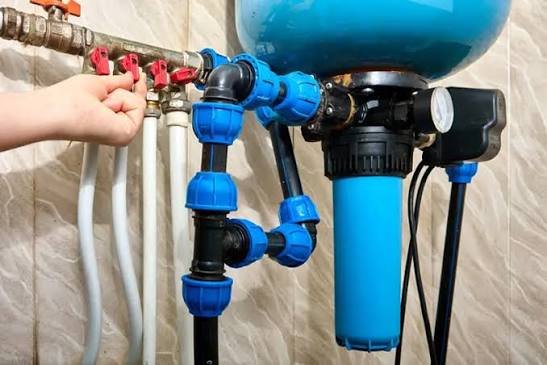
Sediment filtration captures suspended particles such as sand and rust. Activated carbon helps reduce certain unwanted tastes, odors, and contaminants.
Conventional water softening addresses dissolved calcium and magnesium, while specialized treatment technologies may be necessary for other concerns.
Private well owners might also require appropriate disinfection equipment if laboratory testing identifies microbial contamination.
The goal isn’t to install every available treatment technology. It’s to select equipment that performs a useful function and provides meaningful benefits without introducing unnecessary expenses.
How Centralized Water Treatment Works
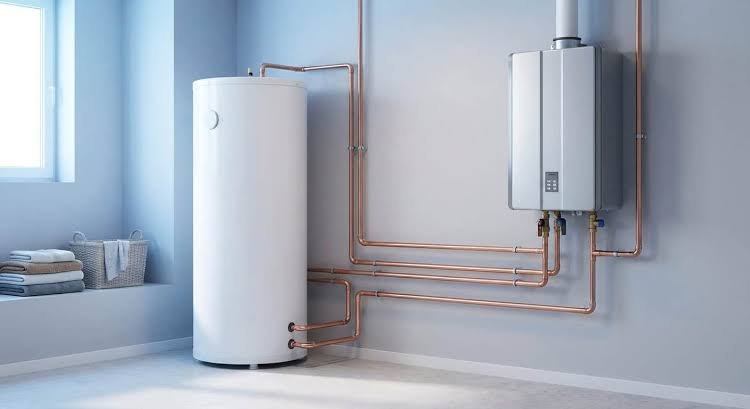
One appealing feature of centralized filtration is its relatively straightforward arrangement. Equipment is generally positioned near the main water supply connection, treating incoming water before it reaches connected household fixtures.
A properly configured system can deliver treated water to your entire home, including connected bathroom faucets, showers, kitchen fixtures, and water-using appliances.
Depending on the installation, outdoor faucets or certain plumbing branches may bypass treatment.
Proper equipment sizing is particularly important. Think about those busy mornings when someone is showering, the washing machine is running, and breakfast dishes need cleaning.
Your treatment system should accommodate these simultaneous demands without unnecessarily restricting water flow.
Professional installation can help ensure the equipment fits your property’s plumbing layout and consumption requirements.
Reducing Mineral-Related Wear on Household Equipment
Water heaters, washing machines, and dishwashers represent considerable household investments. Naturally, you’d rather keep them working properly for as long as possible.
Excessive water hardness can contribute to mineral deposits inside appliances that regularly use heated water.
Over time, substantial scale accumulation may interfere with heat transfer and increase maintenance requirements.
Appropriate softening can help limit new hardness-related deposits, potentially supporting the performance of compatible equipment.
Particle filtration may also help reduce debris entering certain plumbing components.
Of course, water treatment won’t automatically repair existing damage or prevent every appliance problem. Routine servicing remains important.
Nevertheless, addressing troublesome water characteristics can be a sensible part of preventive household maintenance.
Enjoying Small Improvements in Everyday Life
Not every home improvement needs to involve remodeling a kitchen or replacing expensive furniture. Sometimes, the smaller changes make daily life noticeably easier.
Depending on your original water conditions, suitable treatment may help reduce stubborn mineral deposits, improve soap performance, or minimize objectionable odors during bathing.
You might find yourself spending less time cleaning particular surfaces or adjusting the amount of detergent you use.
There’s also the convenience of maintaining treatment equipment in one centralized location rather than managing several separate filters.
These benefits vary according to water quality and equipment capabilities. Still, reducing familiar household frustrations can be a worthwhile reason to explore treatment.
Start With Testing, Not Guesswork
Purchasing filtration equipment before understanding your water supply can lead to disappointing results.
Reliable water testing helps identify hardness, iron, pH, and other relevant water characteristics. Specialized laboratory analysis may be necessary when investigating potentially harmful contaminants.
Municipal water customers can review available supplier reports, while private well owners should arrange property-specific testing.
Knowing what’s present in your water allows you to compare equipment based on demonstrated treatment capabilities.
Remember that clear water and pleasant taste don’t automatically establish drinking water safety.
Good decisions begin with accurate information, not simply attractive equipment brochures.
Making Better Household Water a Lasting Investment
Once installed, water treatment equipment requires periodic attention. Filters eventually need replacement, softeners may require salt replenishment, and specialized equipment has its own servicing requirements.
Following manufacturer maintenance recommendations helps preserve treatment performance and manage operating expenses.
Ultimately, improving water quality throughout your property is about making everyday life more comfortable. Whether you’re enjoying a relaxing shower, preparing dinner, or tackling the weekly laundry, suitable water treatment can help address unnecessary frustrations.
A home should be somewhere you can unwind rather than constantly deal with repetitive maintenance problems. Giving your water supply the attention it deserves is one practical step toward creating that kind of environment.