Hot water is one of those simple comforts that makes a house feel like home. Whether it’s taking a warm shower after a long day, washing dishes before bed, or getting everyone ready on a busy morning, a reliable water heating system makes life a little easier. Most people don’t think much about their water heater until it stops working, but choosing the right unit in the first place can save money, reduce frustration, and improve everyday comfort for years.
Why the Right Water Heater Matters
Every household has different hot water needs. A couple living in a small apartment may use far less hot water than a family of five with multiple bathrooms, a washing machine, and frequent kitchen use. The size of the property, number of occupants, water pressure, energy source, and daily habits all play a role when selecting a suitable system.
An undersized water heater may leave people waiting for the water to warm up again, while an unnecessarily large system can increase energy consumption and operating costs. That’s why it’s worth considering how much hot water a household actually uses instead of simply choosing the biggest model available.
Traditional Water Heaters and Their Everyday Benefits
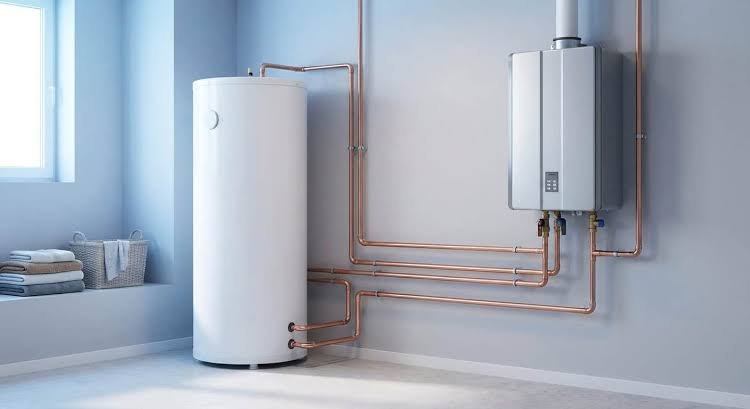
For many homeowners, conventional tank water heaters remain a practical and familiar choice. These systems store heated water in an insulated tank, keeping it ready for use whenever someone turns on a hot water tap. They come in different capacities, making it easier to find a model suited to small households, larger families, or certain commercial applications.
One of the biggest advantages is their straightforward operation. Traditional systems are generally familiar to plumbers, and installation or maintenance can be relatively simple depending on the model and existing setup. They can also provide hot water quickly because the water is already stored and heated.
Of course, tank systems have limitations. Once the stored hot water is used, the unit needs time to heat another supply. This can become inconvenient when several people take showers one after another. Regular maintenance is also important, particularly in areas where hard water can cause sediment to collect inside the tank.
Exploring Modern Tankless Technology
Water heating technology has changed considerably over the years. Many property owners are now considering tankless water heaters because they heat water as it flows through the unit instead of maintaining a large storage tank. This design can save space and may reduce energy waste associated with keeping stored water hot throughout the day.
Tankless models are often installed in smaller utility spaces or mounted on walls, which can be useful when space is limited. They also offer a different approach to managing hot water demand, although the unit must be properly sized to handle the number of taps or showers being used simultaneously.
The initial cost can be higher, and installation may require upgrades to electrical connections, gas supply, or ventilation. So, while the technology sounds appealing, it’s important to evaluate the total installation cost rather than just the advertised price of the appliance.
Is Continuous Hot Water Really Possible?
One of the biggest attractions of tankless technology is the possibility of endless hot water. Unlike storage systems that eventually run out of heated water, tankless units heat water on demand while the system operates within its rated capacity.
This doesn’t necessarily mean unlimited water at any flow rate. If multiple showers, kitchen taps, and appliances are running simultaneously, the heater may struggle to maintain the desired temperature unless it has been designed for that demand. Climate, incoming water temperature, and unit capacity also affect performance.
For households with heavy hot water usage, choosing a correctly sized system is essential. A professional assessment can help determine whether a particular model will deliver consistent temperatures during peak usage hours.
Energy Efficiency and Long-Term Savings
Energy efficiency is another important factor when comparing water heaters. A system that consumes less energy can help lower monthly utility bills, although actual savings depend on household usage, local energy prices, installation quality, and maintenance.
Insulation, temperature settings, plumbing distance, and water usage habits can influence overall performance. Even simple changes, such as fixing dripping hot water taps or avoiding unnecessarily long showers, can reduce waste. It’s not always about purchasing the newest technology; sometimes better habits make just as much difference.
Maintenance Should Never Be Overlooked
No water heater is completely maintenance-free. Storage units may need periodic flushing to remove sediment, while tankless models require attention to mineral buildup, filters, and internal components. Following the manufacturer’s recommendations helps protect the equipment and maintain its performance.
If water temperature fluctuates, strange noises develop, or the system begins leaking, it’s best to have it inspected rather than waiting for a complete breakdown. Early repairs are often less disruptive and may prevent damage to nearby walls, flooring, or other property.
Making a Practical Choice for Your Home
Choosing a water heater isn’t just about technology or price. It’s about finding something that suits your household’s routine, space, budget, and expectations. Traditional systems continue to work well for many homes, while modern on-demand units offer advantages for people looking for space-saving designs and different energy-saving possibilities.
A little research, a proper installation, and occasional maintenance can go a long way. When the water heater matches your actual needs, you don’t have to think about it every morning. You simply turn on the tap, enjoy the comfort, and get on with your day.