Water is woven into almost everything we do at home. It runs through the morning shower, fills the kettle before work, helps clean the dishes after dinner, and keeps the washing machine going through another load of laundry. Most days, we barely think about it. That changes when the glassware comes out spotted, soap refuses to lather properly, or drinking water develops a taste that makes you reach for a bottle instead.
These little frustrations can be signs that your home’s water needs attention. The challenge is figuring out what kind of attention it actually needs. With so many treatment products on the market, it’s tempting to choose the first system that promises cleaner, fresher water. A better approach is to understand the water you have, identify the problem, and select equipment that fits your household.
Begin With the Water, Not the Equipment
Before comparing products, consider what you’ve noticed around the house. White mineral deposits on taps may suggest hardness. A chlorine-like taste could be related to municipal water treatment, while sediment or reddish staining may point toward other issues. These observations can help guide an investigation, but they cannot confirm whether water is safe to drink.
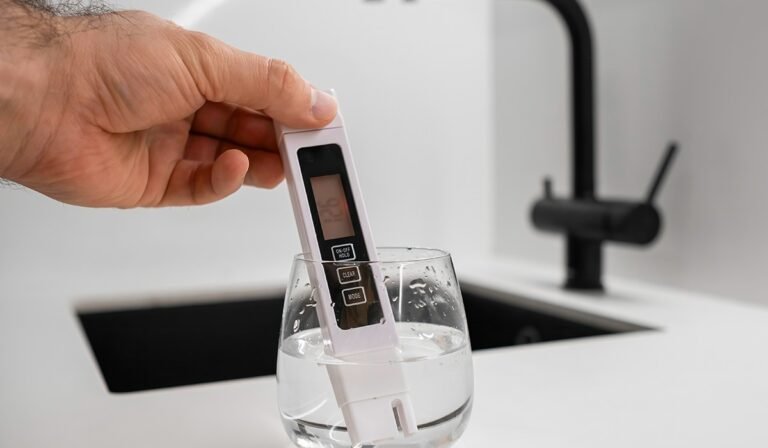
Testing is a sensible starting point. Depending on your water source and concerns, a test may examine hardness, pH, iron, dissolved solids, bacteria, or specific contaminants. If you use a private well, regular testing is particularly important because conditions can change with rainfall, nearby land use, and other environmental factors.
Municipal water customers can also review their utility’s water quality report. It provides useful information about the supply, although it won’t necessarily identify problems that develop within a home’s plumbing. If you notice a sudden change in colour, taste, or odour, seek appropriate advice rather than assuming a filter will fix it.
Once the results are available, the choices become easier to understand. Different systems solve different problems, and buying equipment without knowing what needs to be treated can mean spending money without getting the result you expected.
When Hard Water Makes Everyday Chores More Difficult
Hard water is common in many areas, and its effects tend to show up in ordinary household routines. Shower screens collect cloudy marks, faucets develop a crusty ring, and freshly washed glasses look as though they’ve been left out in the rain. Soap may also leave a film on the skin or make laundry feel less comfortable.
The main cause is dissolved calcium and magnesium. As water evaporates, these minerals can remain on surfaces. Over time, scale may also build up inside water heaters, pipes, and appliances. The degree of buildup depends on the water’s hardness, temperature, usage, and the equipment involved.
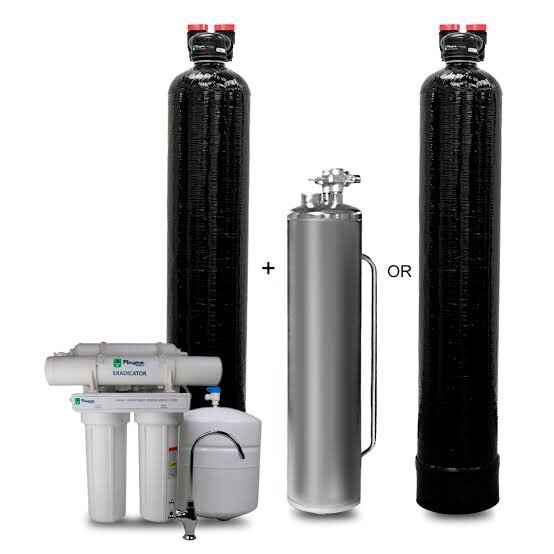
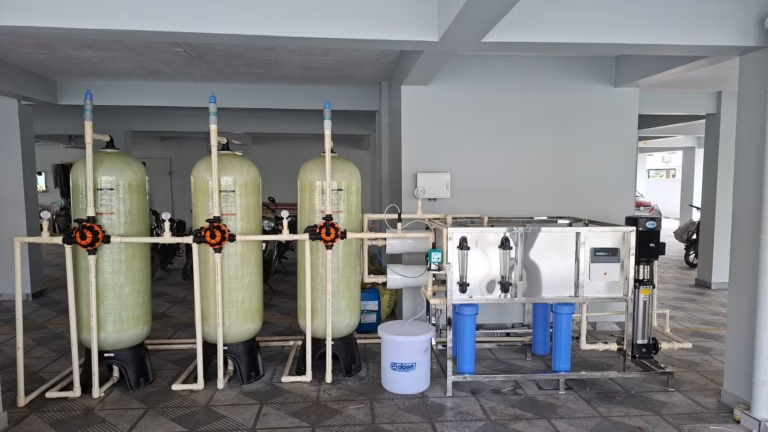
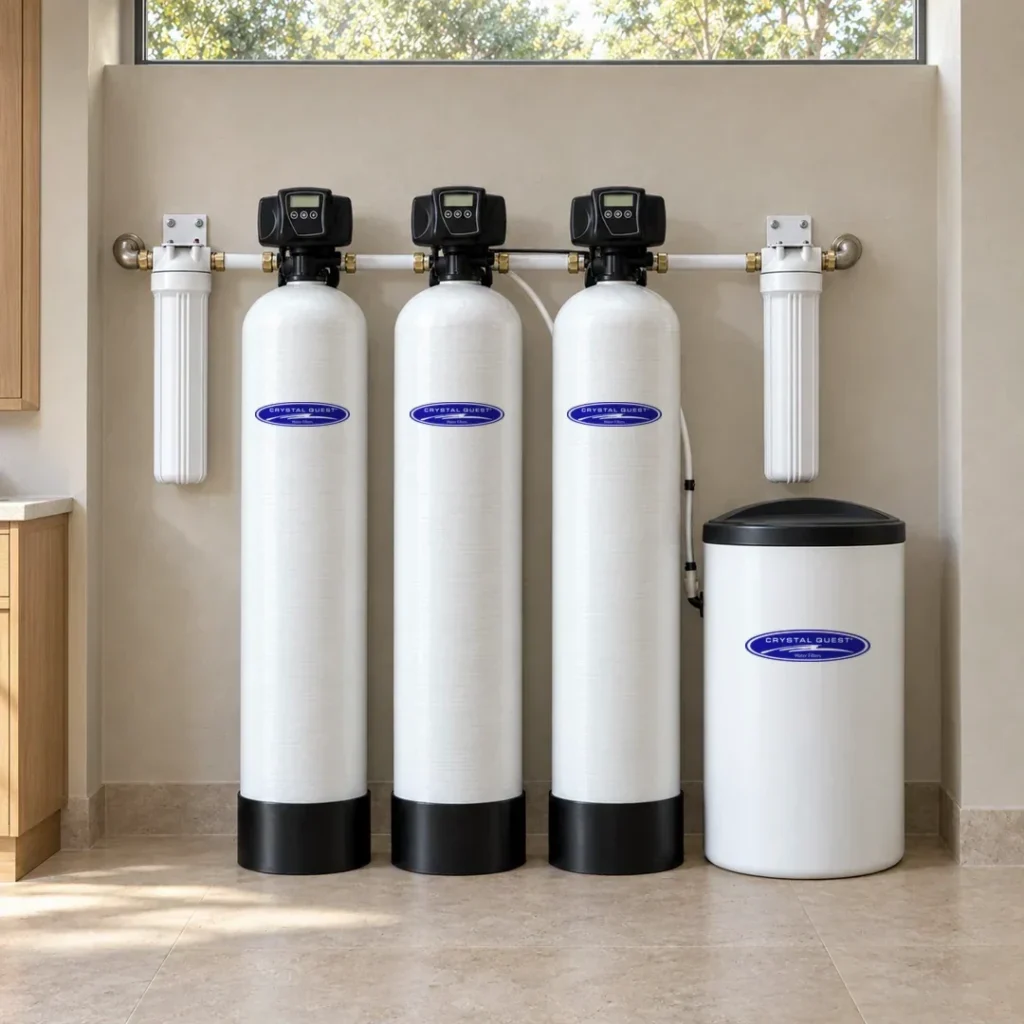
For households dealing with these problems, water softeners can help reduce hardness through an ion-exchange process. In a conventional softener, calcium and magnesium are exchanged for sodium or potassium ions. The system periodically regenerates to restore its ability to treat more water.
Softened water can make cleaning easier and reduce mineral scale, but it isn’t a universal purifier. It doesn’t automatically remove bacteria, pesticides, or every dissolved contaminant. Some households may prefer a separate drinking-water line, depending on their needs and the sodium content of the softened water.
Before installing a softener, check the measured hardness and consider household demand, available space, regeneration requirements, and ongoing maintenance. A system should be sized for actual use rather than selected solely because it has the largest capacity or the most features.
Improving Drinking Water at the Kitchen Tap
Sometimes the concern is less about the bathroom and more about what comes out of the kitchen faucet. Perhaps the water has an unpleasant taste, or a household member wants additional treatment for certain dissolved substances. In those cases, a point-of-use system may be worth considering.
Reverse osmosis units use pressure to move water through a semipermeable membrane, reducing many dissolved substances. Depending on the model and its certified performance, a system may reduce certain salts, metals, and other contaminants. The details matter because not every unit is tested for the same substances, and performance can vary with installation and maintenance.
Many reverse osmosis systems include prefilters to protect the membrane and a post-filter to improve taste. Some models also add minerals back into the treated water. Conventional systems may send some water to the drain during production, and their filters and membranes need replacement on a schedule.
That doesn’t mean reverse osmosis is necessary in every kitchen. If the concern is limited to a particular taste or odour, a properly selected carbon filter may be sufficient. If testing identifies a contaminant that a certified reverse osmosis system is designed to reduce, the added treatment may be worthwhile.
Look at flow rate and storage capacity, too. A system that produces water slowly may become inconvenient in a busy household where people regularly fill bottles, prepare meals, and make tea or coffee. The best choice is one that meets the treatment need without making everyday use unnecessarily awkward.
Understanding Alkaline Water Filters
Another option that often attracts attention is water marketed for its mineral content or pH level. Some people prefer its taste, while others are curious about the claims they see online. It’s worth separating personal preference from proven water-treatment performance.
Alkaline water filters are designed to raise the pH of water, often by adding or retaining certain minerals. Some use mineral media, while others combine this feature with additional filtration stages. The exact results depend on the product and the source water passing through it.
A higher pH does not automatically mean water is safer or healthier. Water quality depends on many factors, including the presence of harmful contaminants, and changing pH alone doesn’t establish that a supply is suitable for drinking. If your concern relates to a particular substance, choose a system tested and certified to reduce that substance rather than relying on an alkaline label.
It’s also sensible to review replacement schedules and product specifications. Mineral cartridges can become exhausted, and the water’s final characteristics may vary with the source. If you enjoy the taste, that preference can be part of your decision, but it shouldn’t replace appropriate water testing.
Maintenance Is Part of the Purchase
Treatment equipment doesn’t look after itself. Filters collect particles, softeners need regeneration materials, and reverse osmosis membranes have a limited service life. When maintenance is delayed, performance may decline, sometimes without any obvious warning.
Before buying, ask how often components need replacement and what they cost. Check whether routine service can be handled at home or requires a technician. Keep installation records and note filter-change dates so you don’t have to rely on memory months later.
Pay attention to sudden changes in taste, odour, or pressure. These signs don’t always indicate a problem with the treatment system, but they deserve investigation. If contamination is suspected, arrange appropriate testing and follow advice from your local water authority or health department.
Make a Choice That Fits Real Life
A good water treatment setup should solve a clearly identified problem and remain manageable after installation. For one household, that might mean reducing hardness. Another may need drinking-water filtration, while a third may benefit from more than one treatment method because its water has several distinct characteristics.
Take time to compare performance, operating costs, maintenance needs, and independent certifications. Ask providers to explain what a recommended system can and cannot do. A clear answer is more useful than a long list of impressive-sounding features.
Better water begins with good information. Test first, choose carefully, and maintain the equipment you install. When the system matches your home’s actual needs, the benefits can show up in small but meaningful ways, from easier cleaning to water that tastes better at the end of a long day.