Water is part of almost everything we do at home. We use it to cook breakfast, wash clothes, take showers, clean dishes, and fill a glass when we’re thirsty. Because it plays such a regular role in daily life, it’s easy to overlook its quality until something seems off. Maybe your kettle develops a chalky layer, your shower glass never looks quite clean, or the water has a taste you can’t put your finger on.
These signs don’t necessarily mean your water is unsafe, but they can be reasons to investigate. Different water problems call for different solutions, and choosing the right equipment starts with understanding what you’re trying to improve. With a little information and a practical approach, homeowners can make more confident decisions about water treatment.
Understanding What’s in Your Water
Water quality varies from one area to another. Groundwater may contain naturally occurring minerals, while municipal supplies can have different characteristics depending on their source and treatment process. Plumbing materials, local environmental conditions, and the age of a property’s pipes can also influence what comes out of the tap.
Hardness is one of the most common household concerns. Water containing elevated levels of calcium and magnesium can leave mineral deposits on fixtures, reduce soap lather, and contribute to scale inside appliances. Other households may be more concerned about sediment, chlorine taste, iron staining, or an unusual odor.
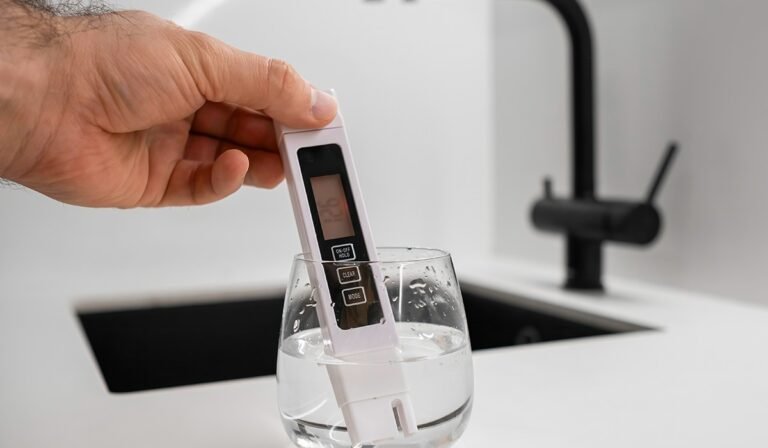
The important thing is not to guess. A water test can help identify the issue and determine whether a treatment system is needed. Depending on the concern, testing might measure hardness, pH, iron, or specific contaminants. If there’s a possible health risk, use a certified laboratory or follow guidance from the relevant water authority rather than relying on appearance or taste alone.
Once you understand the results, it’s much easier to compare equipment based on actual needs instead of choosing a product simply because it is popular.
Making Hard Water Easier to Manage
For many households, mineral buildup is the problem that becomes impossible to ignore. White marks appear around faucets, showerheads gradually clog, and cleaning products seem less effective than they should be. These issues are often associated with hard water.
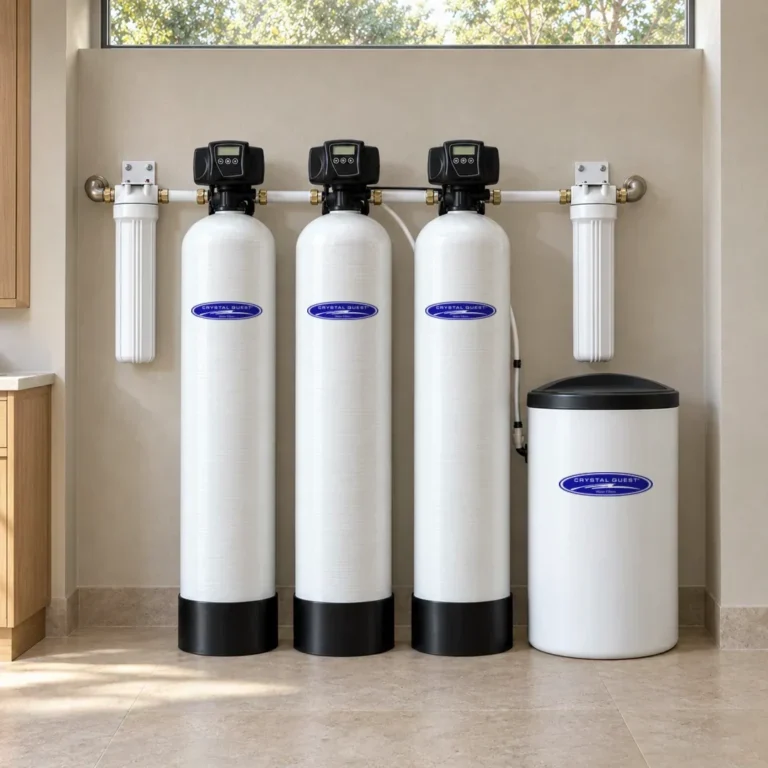
Modern water softeners are designed to reduce hardness minerals, usually through a process called ion exchange. Inside the unit, resin beads capture calcium and magnesium ions and exchange them for sodium or potassium ions. The resin is periodically regenerated so it can continue treating incoming water.
The benefits are practical rather than mysterious. Soap may lather more easily, mineral deposits can become less troublesome, and routine bathroom cleaning may take less effort. Softened water can also help limit scale accumulation in water heaters and other equipment, although results depend on the water conditions and how the system is maintained.
Choosing the right size matters. A unit that’s too small may struggle when several people use water at once, while an oversized system may cost more than necessary. Household occupancy, daily consumption, water hardness, and peak demand should all influence the decision.
It’s also worth remembering that softening doesn’t remove every unwanted substance. A water softener is not a universal purifier, so additional treatment may be needed if testing identifies other concerns.
Improving Water for Drinking and Cooking
The water used for drinking deserves its own consideration. Even when a home’s main supply is suitable for general household use, some people prefer additional treatment to improve taste, reduce particular contaminants, or provide a convenient source of filtered water for cooking.
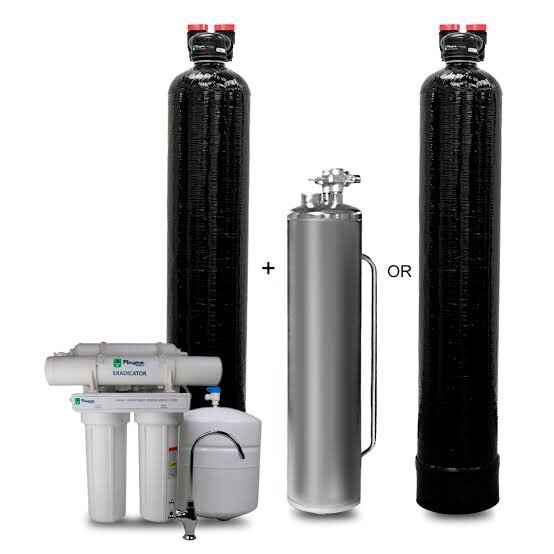
Well-selected drinking water systems can address specific concerns depending on the technology they use. Activated carbon filters, for example, can reduce chlorine taste and odor, while reverse osmosis systems can reduce a range of dissolved substances when properly designed and maintained. Not every filter performs the same job, so checking its certified contaminant-reduction claims is essential.
Think about how your household actually uses water. If family members regularly fill reusable bottles, make tea and coffee, or cook with tap water, a dedicated drinking-water filter may be a worthwhile addition. Under-sink systems can keep the counter clear, while countertop models may suit renters or people who don’t want plumbing modifications.
Maintenance deserves attention before you buy. Filters have a service life, and performance can decline when cartridges are left in place beyond their recommended replacement interval. Some systems also require periodic sanitization or other routine care.
Look for products tested or certified to relevant standards by reputable independent organizations. Certification should match the specific contaminant you’re concerned about; a general claim that a filter makes water “cleaner” isn’t enough to establish what it actually removes.
When a Standard Filter Isn’t Enough
Some water conditions are more complicated than ordinary hardness or taste concerns. A property may have elevated iron, persistent staining, unusual pH levels, or several water-quality issues at the same time. In these situations, a basic filter may not deliver the result a homeowner expects.
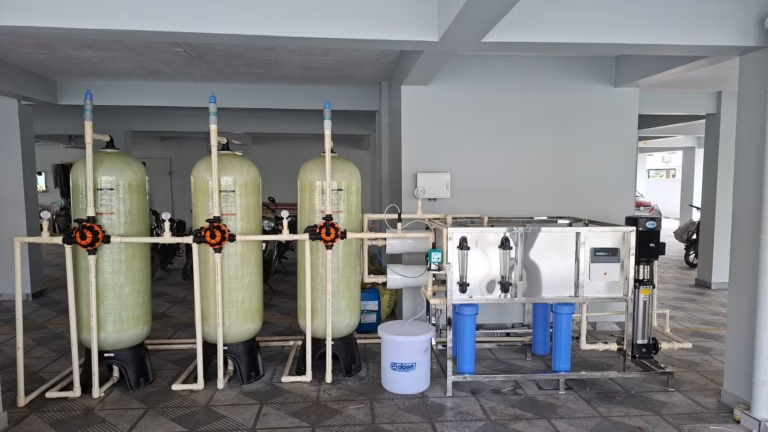
This is where whole house specialty systems may be worth exploring. These systems are designed around particular treatment needs and can be configured to address issues affecting water throughout a property. Depending on test results, a solution might involve specialized media, oxidation and filtration, pH adjustment, or a combination of treatment stages.
The sequence of treatment matters. For instance, removing sediment before water reaches a finer filtration stage may help protect downstream equipment. Certain contaminants require specific treatment methods, and the correct approach depends on their concentration, the water’s chemistry, and the intended use.
Professional assessment is particularly helpful when test results show several concerns. Rather than installing multiple products one after another and hoping for the best, a qualified water-treatment specialist can recommend a system based on the evidence. That can reduce unnecessary expense and make future maintenance simpler.
Don’t Overlook Installation and Long-Term Costs
The initial purchase price is only one part of owning a water treatment system. Installation, replacement filters, salt, water used during regeneration, and periodic servicing may all contribute to the total cost. A system that appears inexpensive upfront might become less attractive if its consumables are costly or difficult to find.
Before committing, ask about the equipment’s expected operating costs and recommended service schedule. Find out whether replacement parts are readily available and whether the warranty covers both components and labor. If the system needs a drain connection, electrical supply, or extra plumbing space, confirm those requirements before installation day.
It’s sensible to compare more than one option, too. A trustworthy provider should explain the advantages and limitations of each recommendation without pressuring you into purchasing equipment you don’t need. If someone promises to eliminate every possible contaminant with a single device, ask for specific test results and independently supported performance claims.
Regular maintenance is just as important as the original selection. Follow the manufacturer’s instructions, replace consumables on schedule, and investigate any sudden change in water taste, appearance, or system performance.
Small Improvements Can Make a Real Difference
Better water doesn’t always require the most elaborate setup. Sometimes, a correctly sized softener is enough to reduce scale and make cleaning easier. In another home, a drinking-water filter may address the main concern, while a property with unusual water chemistry may need a more specialized treatment plan.
The best starting point is simple: understand your water, identify the problems that matter most, and choose equipment that addresses those specific needs. Avoid paying for features that don’t solve a real issue, and don’t overlook the importance of proper installation and ongoing care.
When a water treatment system is matched to the household and maintained properly, it can quietly improve everyday routines for years. That’s really the goal—not complicated equipment for its own sake, but water that works better for the people who rely on it every day.