Why Better Water at Home Starts With Understanding What’s Really Coming Out of Your Tap
Water is one of those things most of us barely think about until something feels off. Maybe the coffee suddenly tastes a little strange, your shower…
Water is one of those things most of us barely think about until something feels off. Maybe the coffee suddenly tastes a little strange, your shower leaves your skin feeling dry, or you notice chalky spots covering glasses fresh out of the dishwasher. Small signs, perhaps—but they often point to a bigger story happening behind the scenes.
The truth is, not all water is created equal. Two neighboring homes can receive water with completely different characteristics depending on plumbing, local infrastructure, groundwater conditions, or seasonal changes. That’s why improving water quality isn’t about buying the most expensive filter on the shelf. It’s about understanding what your home actually needs.
A thoughtful approach can make everyday life a little easier, whether you’re cooking dinner, washing clothes, watering plants, or simply pouring a glass of water after a long day.
Understanding Your Home’s Water
Many homeowners assume that if water looks clear, it’s perfectly fine. In reality, appearance tells only part of the story. Hard minerals, chlorine, sediment, iron, sulfur, and other naturally occurring elements may not always be visible, but they can affect taste, odor, appliance performance, and even household maintenance.
Hard water, for example, slowly builds scale inside pipes and water heaters. That buildup reduces efficiency over time, forcing appliances to work harder while increasing energy costs. Chlorine may help disinfect municipal water, yet it can leave an unpleasant taste that many people notice immediately.
The first step isn’t guessing—it’s learning what you’re dealing with.
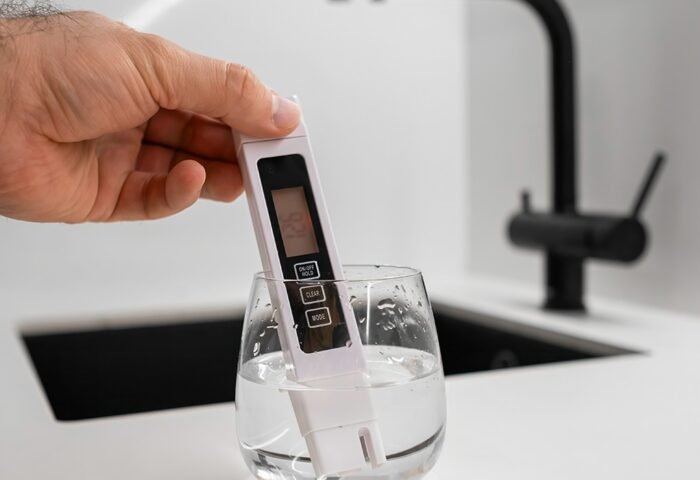
Why Testing Makes More Sense Than Assuming
Buying water treatment equipment without testing is a bit like purchasing prescription glasses without checking your eyesight. You might get lucky, but chances are you’ll spend money solving the wrong problem.
A professional water assessment identifies the specific issues affecting your home’s supply. Instead of relying on generalized advice, homeowners receive information that reflects their actual water conditions.
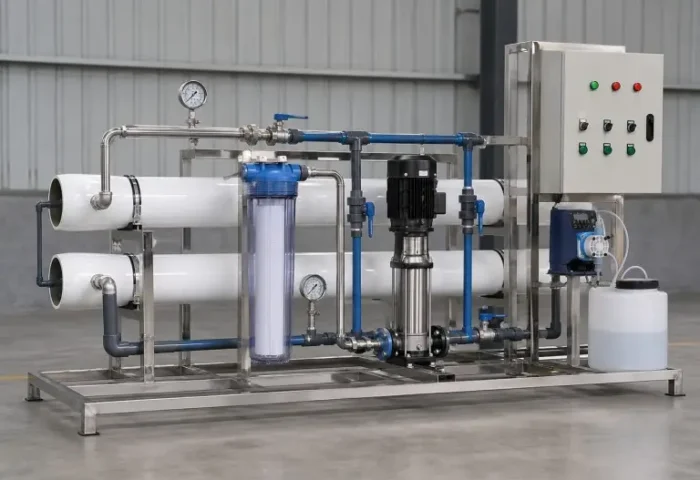
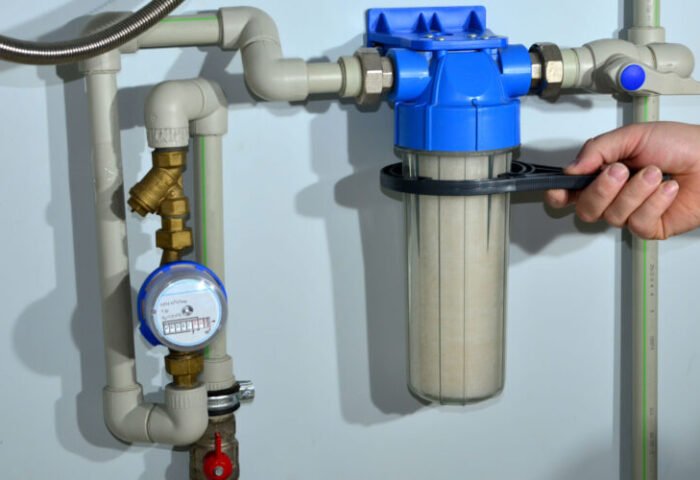
This often leads to customized water solutions that focus on the problems present rather than adding unnecessary equipment. Some homes benefit most from a water softener, while others may need carbon filtration, reverse osmosis, or a combination of treatment methods. Every property tells its own story.
Everyday Benefits You Can Actually Notice
People often expect dramatic changes after improving their water, but many of the biggest improvements are surprisingly subtle.
Soap begins to rinse more easily. Towels feel softer after washing. Faucets require less scrubbing because mineral buildup decreases. Hot beverages taste cleaner. Even pets sometimes seem more willing to drink water that tastes fresher.
These aren’t flashy improvements, yet they’re the kinds of changes families appreciate day after day.
Over time, appliances such as dishwashers, washing machines, and water heaters may also last longer when protected from excessive mineral deposits. That alone can help offset part of the investment in proper water treatment.
One Solution Rarely Fits Every Household
It’s tempting to search online for “the best water filter” and expect one universal answer. Unfortunately, water treatment doesn’t work that way.
A rural home using well water faces completely different challenges than a city apartment connected to municipal water. One family may struggle with sulfur odors, while another mainly wants cleaner drinking water. Large households also have different water demands compared to smaller families.
That’s why personalized planning matters more than brand names or marketing promises.
Choosing equipment based on actual water conditions usually delivers better long-term results than simply following trends.
Looking Beyond Drinking Water
Many people associate water treatment only with drinking water, but the entire home benefits from improved water quality.
Water flows through showers, laundry rooms, kitchens, bathrooms, outdoor hoses, and countless appliances every single day.
When the overall water supply is improved, cleaning often becomes easier because soap performs more effectively. Clothing may maintain its color longer. Glass shower doors collect fewer stubborn mineral spots. Plumbing fixtures remain cleaner with less effort.
None of these changes happen overnight, yet together they create a noticeably smoother daily routine.
Thinking Long-Term Instead of Chasing Quick Fixes
The least expensive option isn’t always the most economical over several years.
Cheap filtration products often require frequent cartridge replacements or fail to address the actual problem. Some homeowners end up purchasing multiple systems before finally finding one that works.
Investing in equipment designed for your home’s needs usually delivers more reliable performance while reducing unnecessary maintenance. It also minimizes the frustration of constantly experimenting with temporary fixes.
Water treatment isn’t really about gadgets. It’s about creating consistency.
Choosing a Provider You Can Trust
Not every company approaches water treatment the same way.
Look for professionals who begin by listening instead of immediately recommending equipment. A reputable provider typically explains test results clearly, answers questions without pressure, and discusses several possible solutions rather than pushing one expensive package.
Sometimes you’ll also find limited-time offers that make testing, installation, or maintenance more affordable. While discounts are certainly nice, they shouldn’t be the primary reason for choosing a provider. Experience, transparency, and ongoing support usually matter far more in the long run.
After all, you’re investing in something your household uses every single day.
Small Changes Add Up Over Time
People often underestimate how frequently water affects daily life.
From brushing your teeth in the morning to washing vegetables for dinner, water quietly supports nearly every household activity. Improving it doesn’t necessarily create dramatic before-and-after moments, but the cumulative effect becomes surprisingly meaningful.
Lower maintenance, improved appliance efficiency, cleaner fixtures, fresher beverages, and more enjoyable showers gradually become the new normal rather than pleasant surprises.
That kind of consistency is difficult to appreciate until you’ve experienced it.
A Better Experience Begins With Better Information
The goal of water treatment isn’t perfection. It’s confidence.
Knowing that your home’s water has been properly evaluated and treated according to its actual characteristics removes much of the uncertainty homeowners often feel. Instead of wondering whether strange tastes, odors, or buildup are normal, you understand what’s happening and have a practical solution in place.
In many ways, achieving better water quality isn’t about chasing luxury—it’s about making everyday living a little more comfortable, a little more efficient, and a lot less frustrating.
Good water supports healthy routines, protects valuable appliances, and quietly improves countless ordinary moments throughout the day. And perhaps that’s the biggest benefit of all: when your water works the way it should, you hardly think about it anymore. That’s usually a sign you’ve made the right choice.