Water is involved in nearly every part of daily life at home. We drink it, cook with it, shower in it, wash clothes with it and run it through dishwashers, kettles and water heaters. Because it’s so ordinary, it’s easy to overlook how much water quality can influence everyday routines.
Hardness, chlorine, iron, sediment and other characteristics may affect not only taste but also plumbing and appliances. Before investing in a treatment system, though, it makes sense to understand the water you’re actually dealing with.
Start With a Water Test
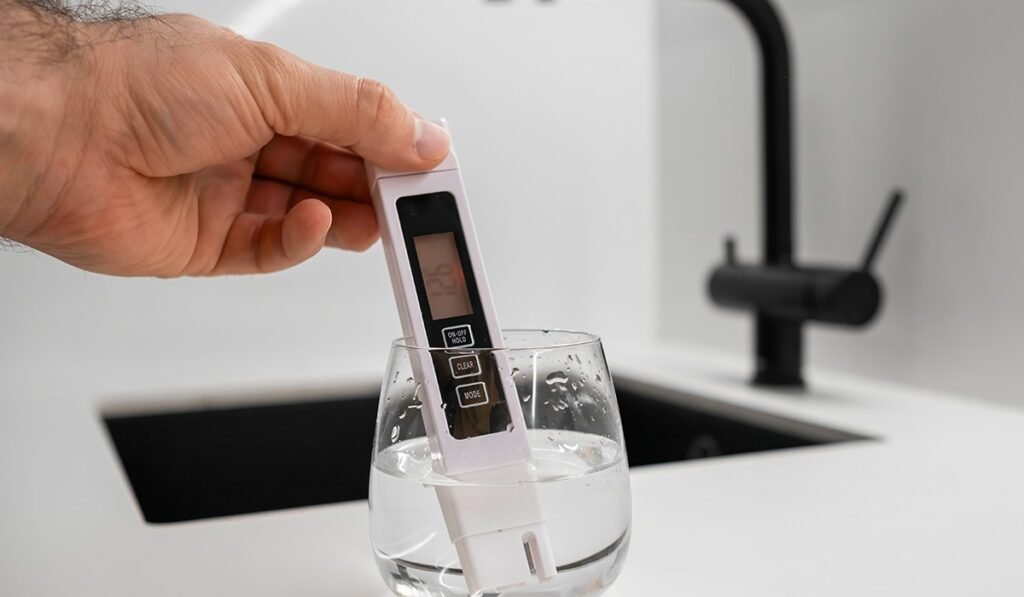
A water test can tell you things that your eyes and taste buds can’t.
Depending on the type of analysis, testing may provide information about hardness, pH, iron, manganese, chlorine, dissolved solids and microbiological characteristics. The right test depends on your water source and the concerns you have.
Some treatment providers offer free water testing as part of an initial consultation. This can be useful, but ask what the test actually measures. A meaningful test should provide understandable results rather than simply leading to a sales presentation.
Once you know what’s in the water, you can make a much more informed treatment decision.
Why Water Quality and Usage Go Together
Your household’s water usage can influence which treatment system is appropriate.
A system designed for a small household may not have enough capacity for a larger family with several bathrooms. If multiple showers, washing machines and faucets are used at the same time, the treatment equipment needs to handle that demand without creating a noticeable drop in flow.
This is why sizing matters.
When choosing equipment, consider the number of people in your home, typical daily consumption and periods of peak demand. A professional installer can help estimate the required flow rate and treatment capacity.
Hard Water Can Affect More Than Your Faucets
Hard water is one of the most common reasons homeowners investigate treatment.
Calcium and magnesium can form mineral deposits when water is heated or evaporates. Over time, these deposits can accumulate in plumbing fixtures and appliances.
You may notice scale around faucets, showerheads and sinks, but the effects can be less visible inside equipment.
This is particularly relevant for water-using appliances that heat or repeatedly circulate water. Kettles, coffee machines, dishwashers, washing machines and water heaters can all experience mineral buildup depending on local water conditions.
Appliances Need Clean Water Too
A water heater is a good example.
When hard water is heated, minerals can precipitate and settle on internal surfaces. Over time, scale may reduce heat-transfer efficiency and increase the need for cleaning or maintenance.
Coffee makers and kettles can develop obvious deposits, while dishwasher and washing-machine components may be harder to inspect.
Water treatment isn’t a guarantee that appliances will never need maintenance, but managing the water entering them can help reduce certain mineral-related problems.
Not Every Home Needs a Softener
Seeing a little scale doesn’t automatically mean you need a large water softener.
The appropriate solution depends on the actual hardness level and your household priorities. Some homeowners choose conventional softening to reduce calcium and magnesium, while others prefer scale-management technologies that aim to reduce deposits without removing hardness minerals.
The key is knowing what the treatment is supposed to accomplish.
If your main concern is drinking-water taste, a carbon filter may be more appropriate. If the problem is hardness-related scale, softening or conditioning may make more sense.
Water Testing Can Prevent Unnecessary Spending
One of the biggest advantages of testing is that it can stop you from treating problems you don’t have.
A homeowner might purchase an expensive multi-stage system because it sounds comprehensive, only to discover that the primary issue was simply chlorine taste or moderate hardness.
Testing helps narrow the field.
It also gives you useful information when comparing different systems. Instead of asking, “Which filter is best?” you can ask a much better question: “Which treatment is appropriate for these specific water conditions?”
That’s a much easier question to answer.
Consider the Cost of Ownership
When comparing treatment equipment, look beyond the initial installation price.
Ask about replacement filters, salt, electricity, servicing, wastewater and component life. If your household has high water consumption, operating costs can become particularly important.
A system that uses more resources may not be the best long-term choice, even if it has a lower upfront cost.
Think about what the system will cost over five or ten years, not just what it costs on installation day.
Maintenance Keeps Treatment Effective
Regular maintenance is part of owning water-treatment equipment.
Filters eventually need replacement, softeners require servicing, and specialized systems may have membranes, lamps or media that need attention.
It’s easy to forget about these things because treatment equipment often operates quietly in the background. But neglecting maintenance can reduce performance and potentially lead to unnecessary repairs.
Keep a simple record of filter changes and service visits. It takes almost no effort and can prevent confusion later.
Make Water Treatment a Practical Decision
Good water treatment starts with information.
Test your water, understand your household’s usage, consider how water affects your appliances, and then choose equipment that addresses the problems you actually have.
Whether you’re dealing with hard water, chlorine taste, staining or another concern, the right system can make everyday water use more comfortable while helping manage the effects of water chemistry on household equipment.
The goal isn’t to treat every possible contaminant simply because a product claims it can. It’s to find a sensible solution that fits your home, your budget and the way you use water every day.