Finding the Right Office Water Cooler: What Actually Matters Before You Choose
A good cup of coffee might get people through the morning, but clean, cold drinking water keeps an office running all day. It’s one of those…
A good cup of coffee might get people through the morning, but clean, cold drinking water keeps an office running all day. It’s one of those workplace essentials that rarely gets much attention until it isn’t there. Then suddenly everyone notices.
Whether you’re setting up a new workspace or replacing an older dispenser, choosing the right water cooler is about more than simply providing drinking water. The right system improves convenience, encourages healthier habits, and can even reduce long-term operating costs. On the other hand, selecting the wrong unit often leads to unnecessary maintenance, wasted space, or frustrated employees.
There isn’t a universal “best” option because every workplace functions a little differently. A five-person office has completely different needs than a busy corporate headquarters serving hundreds of people every day.
Why Water Access Has Become a Workplace Priority
Employee wellness has become a bigger focus over the last few years, and hydration plays an important role in that conversation. Even mild dehydration can leave people feeling tired, distracted, or less productive during the workday.
Making fresh drinking water easy to access encourages employees to drink more throughout the day without thinking twice about it. It sounds simple, but small conveniences often have the biggest impact on daily routines.
That’s one reason modern office water coolers are now considered part of a comfortable, employee-friendly workplace rather than just another appliance sitting in the break room.
Visitors appreciate them too. Offering fresh, clean water creates a more welcoming environment without much effort.
Understanding the Different Types Available
One of the first decisions involves choosing the style of dispenser that fits your available space.
Some businesses need compact equipment that blends into smaller kitchens or reception areas, while others require larger systems capable of serving dozens of people throughout the day.
You’ll also find differences in cooling capacity, hot water availability, filtration systems, touchless dispensing, and energy efficiency. The variety can seem overwhelming initially, but narrowing your priorities makes the decision much easier.
Rather than chasing every available feature, focus on what your employees will actually use.
When Smaller Spaces Need Smarter Solutions
Not every office has a dedicated kitchen or break room. Smaller businesses, medical practices, salons, and shared workspaces often need equipment that saves floor space without sacrificing functionality.
That’s where countertop models become an attractive option.
Placed directly on an existing cabinet or counter, these units provide chilled and sometimes hot water while leaving valuable floor space untouched. Installation is generally straightforward, and many designs look clean enough to blend naturally into modern office interiors.
For smaller teams, they often provide exactly the right balance between convenience and practicality.
Sometimes the simplest solution really is the smartest one.
Larger Teams Usually Benefit from Higher Capacity
Growing offices naturally place greater demands on shared equipment.
When dozens of employees refill bottles throughout the day, capacity becomes much more important than overall size.
That’s why many organisations choose stand-up models, which typically offer larger internal reservoirs, higher dispensing volumes, and greater durability for continuous daily use.
Because these units are freestanding, they can also be positioned in common areas where they’re easy for everyone to access.
In busy workplaces, reducing wait times during lunch breaks or afternoon meetings makes a noticeable difference, even if nobody talks about it directly.
Bottled or Bottleless? It’s Worth Thinking About
Another important decision involves the water source itself.
Traditional bottled coolers remain common because they’re simple to install almost anywhere. However, they require regular bottle deliveries, storage space, and manual bottle replacements.
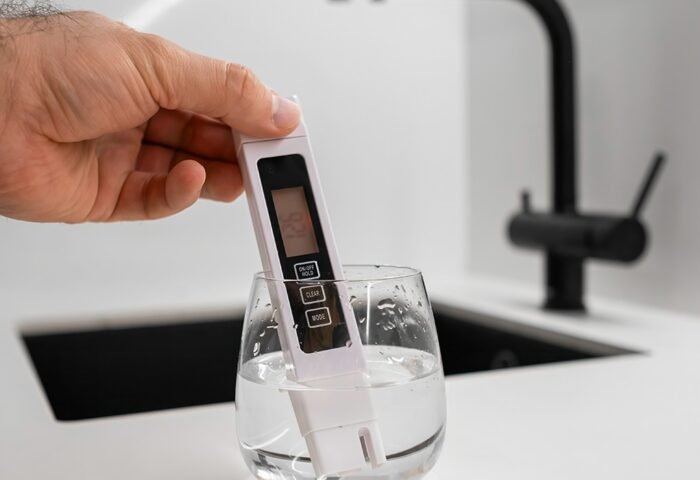
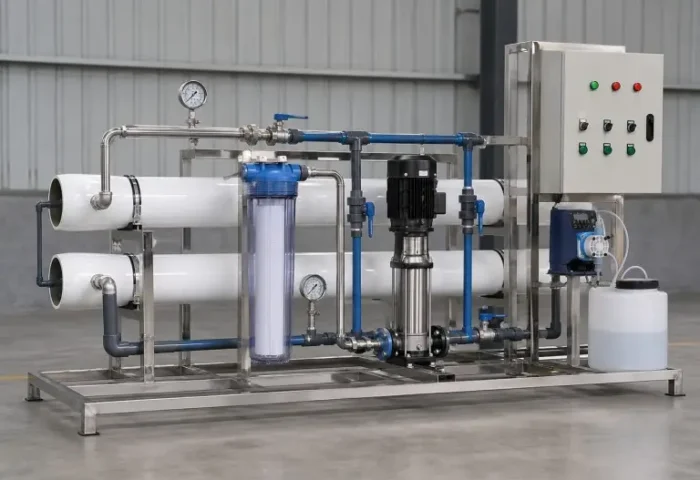
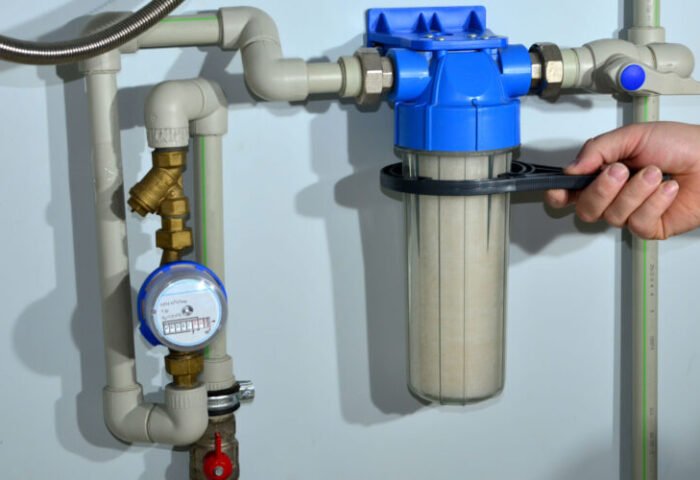
Bottleless systems connect directly to your building’s existing water supply and filter water continuously before dispensing it.
For businesses with consistent daily water consumption, bottleless systems often become more economical over time. They also eliminate the inconvenience of running out of water unexpectedly or managing heavy replacement bottles.
That convenience alone is enough for many offices to make the switch.
Modern Features Go Beyond Cold Water
Today’s water coolers do much more than dispense chilled drinking water.
Many include instant hot water for tea, coffee, or soup, while others offer room-temperature dispensing alongside cold water. Touchless sensors have also become increasingly popular, helping minimise physical contact in shared environments.
Advanced filtration, leak detection systems, child safety locks, energy-saving modes, and self-cleaning functions are now available across many premium models.
Of course, not every workplace needs every feature.
The best choice is usually the one employees actually benefit from every day rather than the model with the longest feature list.
Maintenance Should Never Be an Afterthought
No matter how advanced a water cooler may be, regular maintenance remains essential.
Filters require replacement according to manufacturer recommendations, dispensing areas should be cleaned routinely, and periodic sanitisation helps maintain water quality over time.
Fortunately, many newer systems simplify these tasks with maintenance reminders and easily accessible filter compartments.
Businesses that stay consistent with servicing often enjoy years of reliable performance with very few interruptions.
It’s a bit like servicing your car. Small preventative maintenance usually prevents much bigger problems later.
Energy Efficiency Is Becoming More Important
As organisations pay closer attention to operating expenses, energy-efficient appliances naturally receive more consideration.
Modern water coolers often include programmable sleep modes, improved insulation, and efficient cooling systems that consume less electricity than older equipment.
While energy savings from a single unit may appear modest, they add up over years of continuous operation.
For businesses operating multiple locations, those small improvements can translate into meaningful cost reductions across an entire organisation.
It’s another reminder that choosing equipment isn’t just about today’s purchase price but also tomorrow’s operating costs.
Choosing a Water Cooler That Fits Your Workplace
Before making a final decision, it helps to ask a few practical questions.
How many people will use the dispenser each day? Is floor space limited? Would hot water be useful? Does your office already have plumbing nearby for a bottleless installation? Is reducing plastic waste part of your company’s sustainability goals?
Answering those questions usually narrows the options surprisingly quickly.
The goal isn’t buying the biggest or most expensive model. It’s selecting one that quietly supports daily operations without demanding constant attention.
Final Thoughts
Water coolers may not be the most exciting purchase an office makes, yet they’re often among the most frequently used pieces of equipment in the building.
Employees gather around them, conversations happen nearby, reusable bottles get refilled countless times each week, and visitors naturally gravitate toward them during meetings.
Choosing the right system means thinking beyond appearance and focusing on everyday practicality, reliability, and long-term value.
When you find the right fit, people rarely notice the equipment itself. They simply enjoy having fresh, clean drinking water whenever they need it—and honestly, that’s exactly how it should be.