Water has a funny way of staying invisible in our daily lives. We expect it to be there every time we turn on a faucet, start the dishwasher, wash our hands, or brew that first cup of coffee in the morning. Most days, we don’t stop to think about where it comes from or what journey it took before reaching us. It’s simply part of life.
But once water quality starts causing problems—hard water stains, clogged pipes, strange tastes, or expensive equipment repairs—it suddenly becomes impossible to ignore. That’s why more homeowners, business owners, and facility managers are paying closer attention to the systems working behind the scenes. Clean, reliable water isn’t just about convenience anymore. It’s become an investment in health, efficiency, and long-term savings.
Clean Water Starts with Understanding the Problem
One of the biggest mistakes people make is assuming every water issue has the same solution. In reality, water varies tremendously depending on location, infrastructure, groundwater conditions, and even seasonal changes.
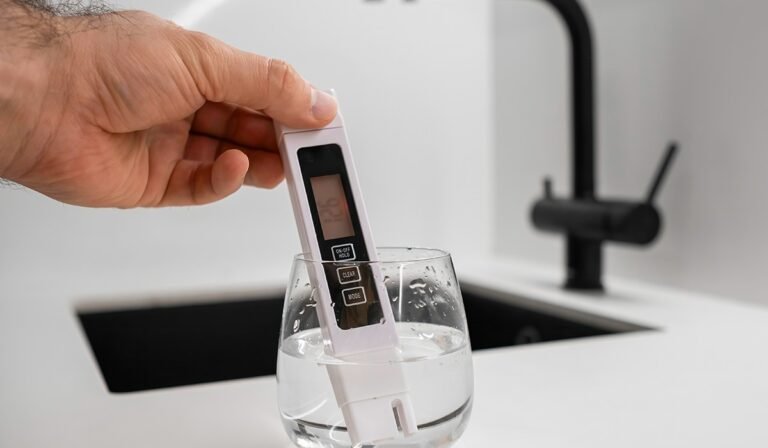
Some homes struggle with hard water loaded with calcium and magnesium. Others battle chlorine, sediment, iron, sulfur odors, or naturally occurring contaminants. Without proper testing, choosing a filtration system becomes little more than educated guessing.
The best water solutions begin with understanding exactly what’s in the water before deciding how to treat it.
Every Home Has Unique Needs
Walk through almost any neighborhood, and you’ll find houses built during different decades with different plumbing materials and different water experiences.
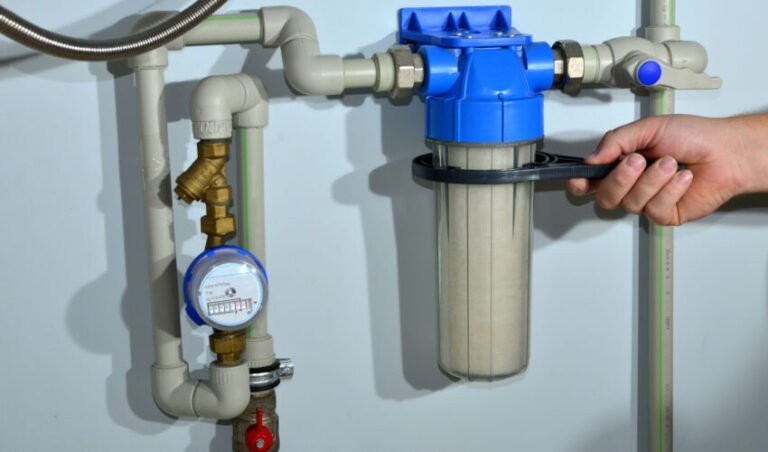
That’s why residential installations are rarely identical. A growing family may need a whole-house softener to protect appliances and improve bathing comfort, while another homeowner might simply want a reverse osmosis drinking system for cleaner, better-tasting water.
Personal habits matter too. Families that cook frequently, entertain guests, or have young children often prioritize different filtration features than those living alone. Good system design considers everyday living rather than simply matching equipment specifications.
The Little Improvements Add Up
One of the interesting things about upgrading a water system is that the benefits rarely arrive all at once.
Coffee tastes smoother.
Soap rinses away more easily.
Laundry feels softer.
Glassware comes out clearer.
Hair seems easier to manage.
Bathroom cleaning becomes less of a chore because mineral deposits don’t accumulate nearly as quickly.
None of these changes are dramatic on their own, but together they create a noticeable improvement in everyday life. After a while, people stop thinking about cleaner water because it simply becomes their new normal.
Businesses Depend on Reliable Water More Than You Think
While homeowners often focus on comfort, businesses usually think in terms of efficiency and consistency.
Restaurants rely on clean water for cooking, beverages, and sanitation. Hotels need dependable water for guest satisfaction. Healthcare facilities require high-quality water for safety, while office buildings depend on reliable plumbing that minimizes downtime and maintenance.
That’s where properly designed commercial systems make a significant difference. Rather than treating water as an afterthought, many organizations now view it as part of their operational strategy. Cleaner water helps equipment last longer, reduces service interruptions, and creates a better experience for customers and employees alike.
In competitive industries, even small operational improvements can produce meaningful financial savings over time.
Looking Beyond the Surface
Water treatment technology has changed dramatically over the past decade. Modern systems are more compact, energy efficient, and easier to maintain than many people realize.
Smart monitoring capabilities now allow some systems to track filter life, monitor water usage, and notify owners when maintenance is required. Efficient regeneration cycles help reduce water waste, while advanced filtration materials remove contaminants more effectively than older technologies.
Perhaps the biggest improvement, however, is reliability. Once installed correctly, many systems require surprisingly little attention while delivering consistent performance year after year.
Industrial Operations Face Even Greater Challenges
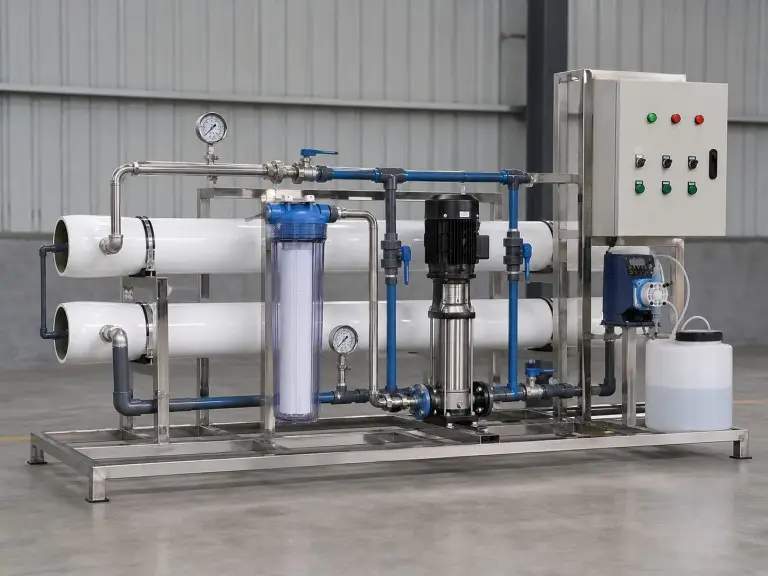
When water is used in manufacturing, processing, energy production, or large-scale operations, the stakes become much higher. Water quality directly influences equipment performance, production efficiency, regulatory compliance, and maintenance costs.
Properly engineered industrial systems are designed to handle far greater volumes while maintaining strict performance standards. These systems often incorporate multiple treatment stages, advanced monitoring equipment, and customized filtration methods based on operational requirements.
A minor issue that might inconvenience a homeowner could result in significant production delays within an industrial facility. That’s why planning, maintenance, and ongoing monitoring are essential components of successful water management.
Why Professional Planning Still Matters
Technology continues to improve, but even the most advanced equipment performs best when matched to the right application.
Professional water testing helps identify existing conditions before recommendations are made. That information guides decisions about filtration methods, equipment sizing, maintenance schedules, and long-term operating costs.
Skipping this step may save money initially, but it often leads to oversized systems, unnecessary expenses, or equipment that fails to solve the original problem completely.
Good planning isn’t about selling more equipment—it’s about finding the right solution for each unique situation.
The Future Looks Smarter and More Sustainable
Environmental awareness has encouraged manufacturers to rethink how water treatment systems operate. Today’s designs often prioritize efficiency alongside performance.
Lower water consumption, reduced energy use, recyclable filter materials, and smarter monitoring technologies are becoming increasingly common. Consumers are also asking more informed questions about sustainability, operating costs, and emerging contaminants than they did just a few years ago.
That shift is encouraging innovation throughout the industry, creating products that are not only more effective but also more environmentally responsible.
Final Thoughts
Water quietly supports nearly every part of modern life, from morning routines at home to large-scale industrial production. Yet it often receives attention only after problems appear.
Whether you’re improving a family home, operating a growing business, or managing a manufacturing facility, investing in the right water treatment solution can provide benefits that extend well beyond cleaner drinking water. Better efficiency, reduced maintenance, longer equipment life, and greater peace of mind all become part of the equation.
The best systems aren’t necessarily the biggest or most expensive. They’re the ones carefully matched to the people or operations they serve. When water works the way it should, most people never think about it—and honestly, that’s probably the greatest compliment any water system can receive.