When Your Water System Stops Working, Fast Help Matters
A water system usually does its job quietly. It sits under the sink, in the utility room, beside the cooler, or near the main water line,…
A water system usually does its job quietly. It sits under the sink, in the utility room, beside the cooler, or near the main water line, and most people forget about it. That is how it should be. Good water equipment is not meant to be the centre of attention.
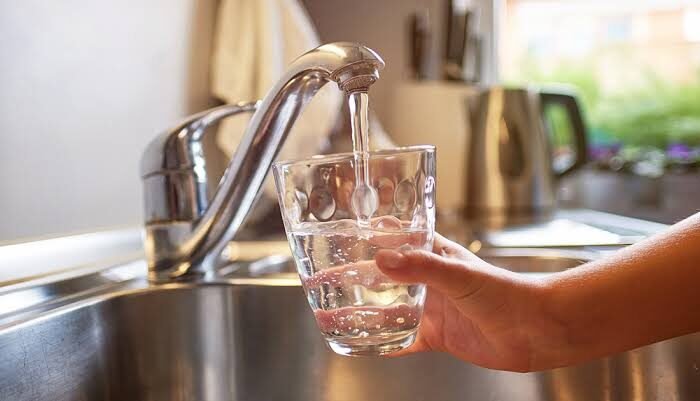
But when something goes wrong, you notice quickly. The drinking water tastes strange again. The flow slows down. The softener stops doing its job. The office cooler refuses to dispense cold water. A leak appears where there definitely should not be one. Suddenly, that quiet little system becomes urgent.
Water is used too often to leave problems hanging for long.
Small Water Problems Can Disrupt the Whole Day
A faulty water system may not seem like a major emergency at first, but it can affect everyday routines fast. At home, you may depend on treated water for drinking, cooking, bathing, laundry, and appliances. At work, staff and visitors may rely on a dispenser or filtration unit all day.
If the system fails, people go back to bottled water, complain about taste, or worry about whether the water is safe to use. In some cases, untreated water may also allow scale, sediment, or staining to return.
That is why quick diagnosis matters. The sooner the cause is found, the easier it is to avoid bigger trouble.
Why Skilled Diagnosis Is So Important
Water systems can fail for many reasons. A clogged filter. A worn valve. A pressure issue. A damaged line. A softener setting that has drifted. A reverse osmosis membrane reaching the end of its life. A cooler component that needs replacement.
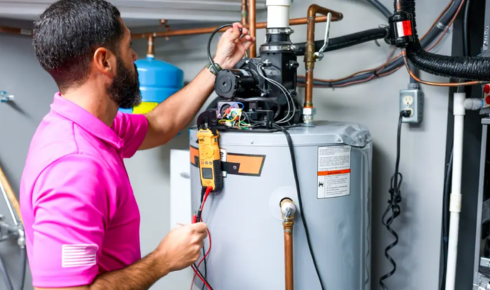
This is where expert technicians make a real difference. They do not just guess from the outside. They inspect the system, test the water, check flow, review settings, and look for the actual cause. That saves time and helps prevent the wrong part from being replaced.
Good technicians also explain the issue clearly. You should not need a plumbing dictionary just to understand what happened.
Knowing When It Cannot Wait
Some issues can wait for a scheduled service visit. Others need faster attention. Active leaks, sudden loss of drinking water, unusual noises, very low pressure, electrical issues in dispensers, or a major change in water quality should not be ignored.
In homes, these problems can interrupt daily comfort. In businesses, they can affect staff, customers, patients, students, or guests. A clinic, gym, office, salon, school, or hospitality space may not have the luxury of waiting several days for water service.
That is when emergency service becomes valuable. Fast support can limit downtime, reduce damage, and get the system working again before the problem spreads.
Repair Is Often Better Than Replacing Everything
When a water system stops performing, some people assume the whole unit needs replacing. Sometimes that is true, especially if the equipment is very old or poorly matched to the water. But often, a targeted water system repair can restore performance without the cost of a full replacement.
A technician may replace a filter housing, valve, membrane, pump, fitting, faucet, tubing, or control part. They may also clean the unit, reset programming, correct pressure, or fix a leak. The right repair depends on the system type and the problem found during inspection.
A good provider should be honest about whether repair makes sense. If the system can be fixed reliably, that may be the best option. If repairs would only delay failure, replacement may be more practical.
Warning Signs You Should Not Ignore
Water systems usually give hints before they fail completely. Water may taste different. Flow may slow down. The unit may cycle more often. A softener may use too much or too little salt. A cooler may stop chilling properly. Filters may clog faster than usual. You may notice moisture around connections or cabinets.
These signs are easy to dismiss, especially when the system still works “well enough.” But waiting can make repairs more expensive. A small leak can damage cabinets or flooring. A clogged filter can strain other parts. Poor softening can allow mineral buildup into appliances and plumbing.
Calling early is usually the smarter move.
Maintenance Reduces Repair Surprises
Repairs are sometimes unavoidable, but many breakdowns can be prevented with regular maintenance. Filter changes, salt checks, cleaning, testing, and inspection all help keep the system in better condition.
Maintenance visits also give technicians a chance to catch worn parts before they fail. That matters for busy homes and especially for businesses where water downtime can create daily complaints.
Think of it like routine car care. Nobody wants to wait until the engine light flashes and steam comes out. Water systems deserve the same sensible attention.
Businesses Need Dependable Water Support
Commercial spaces often put heavier demand on water systems than homes do. Office coolers, gym dispensers, clinic drinking stations, and hospitality units may serve dozens or hundreds of people in a day. When one of those systems fails, it becomes noticeable fast.
A reliable repair partner helps businesses avoid long interruptions. They can inspect the issue, provide practical options, and help decide whether repair, maintenance, or upgrade is the best path.
For business owners and managers, that support is not just about water. It is about keeping the space functional.
The Best Repair Experience Feels Straightforward
Nobody wants a confusing service visit. A good repair experience should be simple: inspect the system, identify the problem, explain the options, fix what can be fixed, and test everything before leaving.
Clear communication matters. So does clean work. If a technician opens a cabinet, disconnects lines, or services a cooler, the area should be left tidy. Homeowners and businesses should know what was done and what to watch for next.
That kind of service builds confidence.
Getting Back to Water You Can Trust
A broken water system is frustrating because water is part of nearly every routine. Drinking, cooking, cleaning, coffee, showers, staff hydration, customer comfort — it all depends on steady water access.
When problems appear, do not wait until the system fails completely. Pay attention to taste changes, leaks, weak flow, noises, or unreliable performance. Quick service can prevent damage, restore quality, and help the system last longer.
Good water should feel dependable. And when it stops feeling that way, the right repair team can bring things back to normal without unnecessary stress.