Most people judge water with their senses first. Does it look clear? Does it smell strange? Does it taste clean enough to drink without making a face? Fair questions, really. But water quality is not always that simple. Some of the most concerning issues in household water cannot be seen, smelled, or tasted at all.
That’s what makes modern water treatment such an important conversation for homeowners. A glass of water may look perfectly fine, yet still carry substances that deserve attention. Nobody wants to overthink every sip from the tap, of course. Life is busy enough. But having the right system in place can turn that quiet worry into confidence.
Why Clear Water Can Still Raise Questions
Clear water is comforting, but it is not a complete safety test. Depending on the water source, age of plumbing, local infrastructure, and environmental factors, certain contaminants may still be present. Older homes, for example, may have plumbing materials that contribute to water quality concerns. Private wells can also vary widely from one property to another.
This is where lead reduction becomes an important topic, especially for families with older pipes or fixtures. Lead is not something you can detect by taste or smell, so testing is the only sensible way to know whether it is a concern. If testing shows a problem, the treatment system should be specifically designed and certified to reduce it.
The Growing Concern Around PFAS
In recent years, many homeowners have also started hearing about PFAS, often called “forever chemicals.” These man-made chemicals have been used in products that resist water, grease, stains, and heat. Over time, they can enter water supplies through industrial use, firefighting foams, landfill runoff, and other sources.
The concern with PFAS reduction is that these chemicals do not break down easily in the environment. They can persist for a long time, which is why proper filtration matters. Not every basic filter is built for this job, so homeowners should look for systems tested for the specific PFAS compounds they want to address.
Testing Comes Before Buying Anything
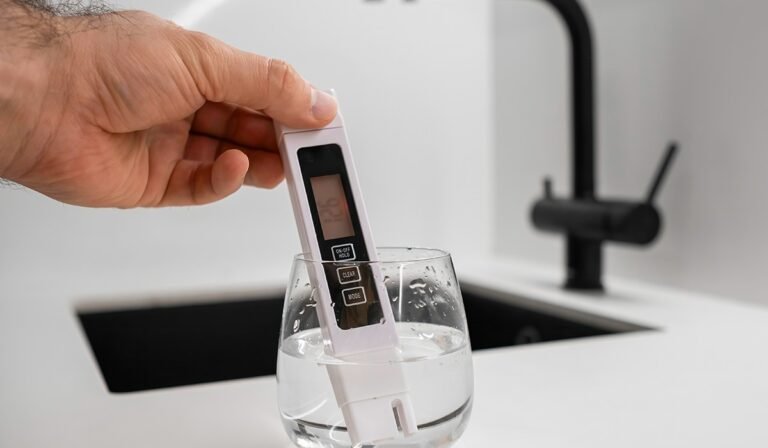
One of the most common mistakes people make is buying a filter because the label sounds impressive. It promises cleaner water, better taste, advanced protection, and all the right words. But unless it matches the actual issue in your home, it may not solve much.
Water testing gives you the facts. It can identify concerns such as lead, PFAS, chlorine, sediment, hardness, bacteria, nitrates, or other contaminants depending on the test. Once you know what is present, choosing equipment becomes far less confusing.
It’s a bit like going to a doctor. You wouldn’t want treatment before knowing the diagnosis. Water deserves the same kind of practical thinking.
How Filtration Technology Helps
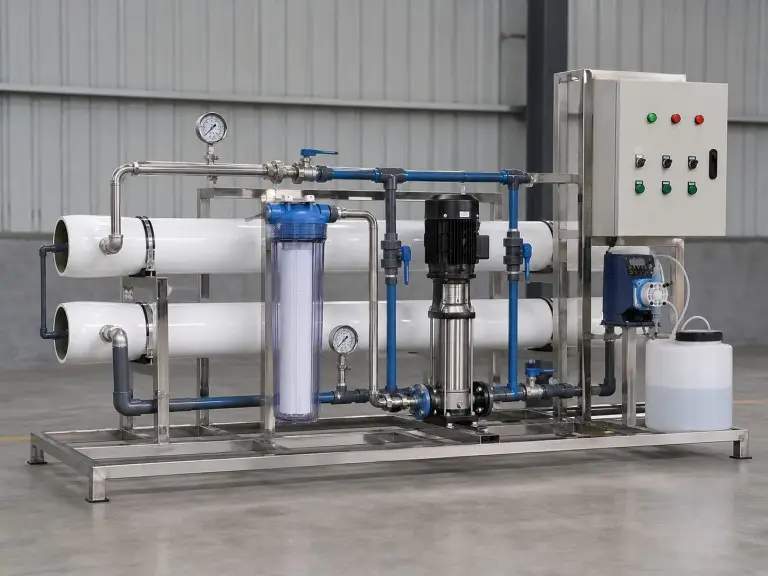
Different contaminants require different treatment methods. Activated carbon can help reduce chlorine taste and certain organic chemicals. Reverse osmosis can reduce many dissolved contaminants. Specialty media may target specific substances. UV systems are often used where bacteria or microorganisms are the concern.
Modern water filtration technology gives homeowners more options than ever, but that also means the choice should be made carefully. A good system is not always the biggest or most expensive one. It is the one that fits the water test results, household needs, and daily usage.
Whole-Home or Drinking Water Only?
Some homes need treatment at the kitchen sink only, especially if the concern is drinking and cooking water. An under-sink reverse osmosis system or certified drinking water filter may be enough in those cases.
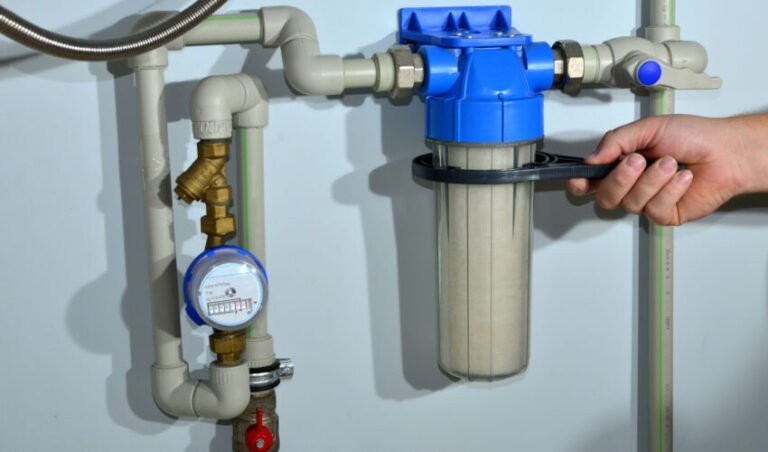
Other homes may benefit from whole-house treatment. If the water has sediment, odors, staining, hardness, or issues affecting showers, laundry, appliances, and plumbing, treating water where it enters the home may be more practical. Often, the best setup combines whole-home filtration with a dedicated drinking water system for extra peace of mind.
There is no perfect universal answer. The right approach depends on the home.
Maintenance Is Part of Protection
A filter is not a one-time miracle. Cartridges need replacement. Membranes wear out. Media has a service life. If maintenance is ignored, performance can drop, and that defeats the purpose of installing the system in the first place.
Homeowners should understand filter schedules before buying. How often do parts need replacing? Is professional service required? Are replacement filters easy to get? These questions are not exciting, but they matter.
Better Water Brings Quiet Confidence
Clean water affects daily life in small but constant ways. You drink it, cook with it, make coffee with it, rinse fruit with it, and give it to your family without thinking twice. That is exactly how it should feel.
Good filtration is not about fear. It is about being informed and taking sensible steps. Test first. Choose the right system. Maintain it properly. Then let the water become ordinary again, in the best possible way.
Because at the end of the day, the goal is simple: water that feels safe, tastes fresh, and earns your trust every time you turn on the tap.