What Your Water Can Tell You: A Practical Guide to Testing and Quality
Water is one of those everyday essentials that quietly keeps a household moving. We drink it, cook with it, make coffee with it, wash our clothes…
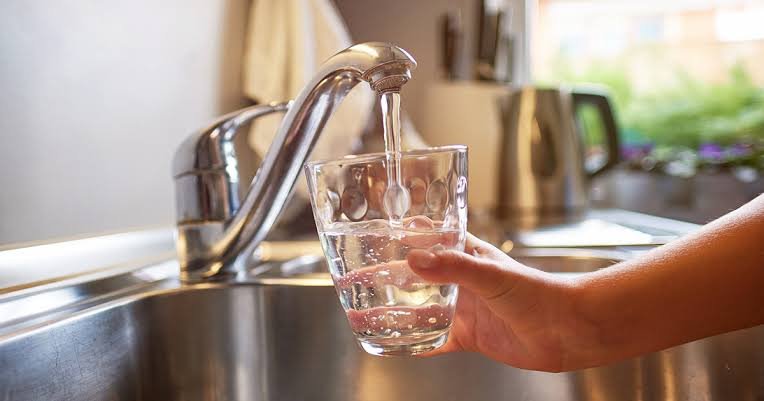
Water is one of those everyday essentials that quietly keeps a household moving. We drink it, cook with it, make coffee with it, wash our clothes in it, and use it for countless little jobs without giving it much thought. Then one day, perhaps the water tastes different or a stain appears around the sink, and suddenly we start asking questions.
Where does this water come from? What is actually in it? And should anything be done about it?
Those are reasonable questions. Water can contain naturally occurring minerals, microorganisms, and other substances that aren’t visible to the naked eye. Some affect taste or plumbing, while others may deserve closer attention. The good news is that homeowners don’t need to guess.
A sensible water-quality routine starts with knowing your source, understanding potential concerns, and testing when appropriate.
Why Nitrates Deserve Attention
Nitrates are naturally occurring compounds that can enter groundwater and surface water through several pathways. Agricultural fertilizers, animal waste, septic systems, and naturally occurring processes can all contribute to nitrate levels.
For households using private wells, this deserves particular attention because groundwater conditions can vary significantly from one property to another.
In areas with intensive agriculture or vulnerable groundwater, high levels of nitrates may be a reason to arrange appropriate testing. Nitrate itself doesn’t necessarily change the taste, smell, or appearance of water, which makes testing especially useful.
It’s important not to assume that every well has a nitrate problem. Local conditions matter. The point is simply that nitrate contamination can’t reliably be identified by looking at a glass of water.
Private Wells Require a Little More Attention
Private wells can provide excellent water, but homeowners are responsible for monitoring their own supply.
Unlike a municipal system, where treatment and monitoring are handled centrally, private well owners need to arrange testing and pay attention to changes around the property.
Heavy rainfall and flooding can sometimes affect vulnerable wells. Changes in nearby land use, septic systems, or agricultural activity may also influence groundwater.
A useful habit is to keep previous test reports. Having a history makes it easier to recognize changes. If the latest result looks different from results collected a few years earlier, you have something concrete to discuss with a water professional or laboratory.
It takes a little effort, but it’s much better than trying to remember what the water was like years ago.
Why Water Testing Is Worth Doing
Homeowners often wait until there’s an obvious problem before investigating their water. That’s understandable. If the water looks clear and tastes fine, why spend money testing it?
But appearance doesn’t tell the whole story.
Water testing can identify characteristics that your senses simply can’t detect. Depending on the analysis, a laboratory may measure hardness, pH, iron, manganese, turbidity, total dissolved solids, nitrates, bacteria, and other parameters.
Testing doesn’t mean something is wrong. Think of it more like checking the condition of a car before a long road trip. You’d rather know what’s happening before a small issue becomes a larger one.
For private wells, periodic testing can establish a baseline. Additional testing may make sense after flooding, well repairs, or significant changes in the surrounding environment.
Water Quality Isn’t Just About Safety
The phrase water quality covers a surprisingly broad range of characteristics.
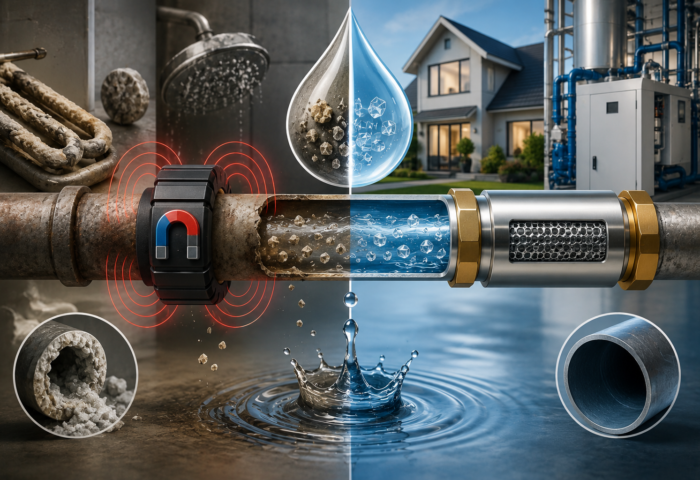
Some issues are mainly aesthetic. Hard water, for example, can leave scale around faucets and shower doors. Iron may create orange staining. Sediment can make water cloudy or clog faucet aerators.
Other concerns may require more serious attention.
Microbial contamination, certain metals, nitrates, and other substances can have health implications depending on their concentration and duration of exposure.
That’s why it’s important not to treat every water quality issue as equally serious. A white spot on a glass isn’t the same thing as a confirmed microbial contamination problem.
Testing helps put the issue into perspective.
What Can Affect Water Quality?
Water chemistry depends heavily on where the water comes from and what it encounters along the way.
Groundwater can pick up calcium and magnesium from rock, leading to hardness. Iron and manganese can occur naturally in certain geological environments. Surface water can be influenced by runoff, soil, wildlife, and human activity.
Plumbing can also play a role.
Older pipes and fixtures may affect water chemistry under certain conditions. A problem occurring at one faucet doesn’t necessarily mean the entire water supply has the same issue.
This is why a good investigation considers the source, plumbing, environmental conditions, and testing results together.
Choosing Treatment Based on the Results
Once you know what’s happening, treatment decisions become much easier.
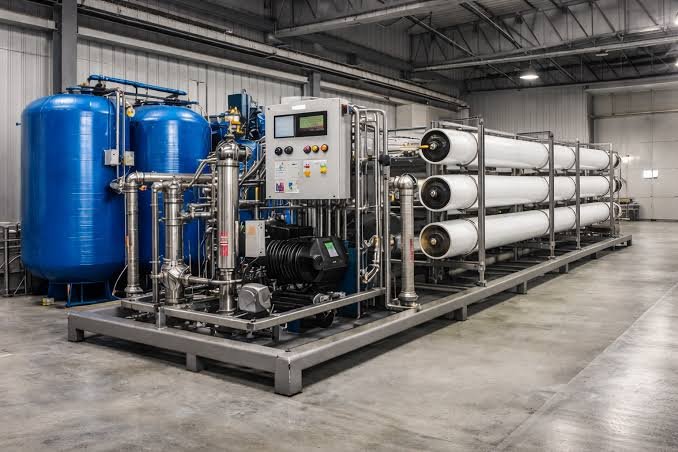
Hard water may call for a water softener. Sediment can often be handled with mechanical filtration. Activated carbon may help reduce certain tastes, odors, and compounds. Reverse osmosis can provide additional treatment for many dissolved substances, while ultraviolet systems can be used to address microorganisms under suitable conditions.
There isn’t one filter that does everything.
A homeowner who buys a system before testing may end up with expensive equipment that doesn’t solve the actual problem.
For example, a carbon filter isn’t a universal solution for nitrates. A softener isn’t designed to remove every contaminant. Understanding those distinctions can save both money and frustration.
When Professional Help Makes Sense
Water chemistry can get complicated quickly.
If testing identifies an unusual result, a qualified water professional can help explain what it means and what treatment options might be appropriate.
The key is to look for advice connected to actual test results.
Be cautious when someone recommends expensive equipment without asking about your water source or providing a clear explanation of what the system is designed to address.
A good recommendation should answer three basic questions: What is the problem? How does the proposed treatment address it? And what maintenance will the system require?
If those questions can’t be answered clearly, it’s worth getting another opinion.
Don’t Forget About Maintenance
Installing a treatment system is only part of the process.
Filters need replacement. Softener systems require servicing. Reverse osmosis membranes eventually need changing. UV systems depend on proper maintenance.
A neglected system may gradually lose effectiveness.
Keeping a simple record of maintenance dates and water-testing results makes household water management easier. It also gives you useful information if the water changes later.
It’s not exciting work, admittedly, but it pays off.
A Smarter Way to Look After Your Water
Water doesn’t need to become a source of anxiety. It simply deserves the same practical attention you give other important parts of your home.
Know where your water comes from. Understand the potential concerns in your area. Test when appropriate, especially if you use a private well or notice a significant change.
Most importantly, base treatment decisions on evidence rather than assumptions.
High nitrate levels, unusual mineral content, microbial concerns, or other water-quality issues can require very different responses. There is no universal solution—and that’s actually a good thing. It means treatment can be tailored to what your household really needs.
In the end, better water management starts with a simple idea: know before you treat. A little testing, some reliable information, and sensible maintenance can go a long way toward making your home’s water easier to understand and easier to manage.