Most homeowners don’t wake up thinking about their water system. Fair enough. There are bills to pay, lunches to pack, emails to answer, and that one light in the hallway that’s been flickering for three weeks. Water just runs in the background — until it doesn’t feel quite right anymore.
Maybe the shower leaves your skin dry. Maybe the dishwasher keeps turning out cloudy glasses. Perhaps the water has a faint smell, or your old softener is chewing through salt faster than it used to. These little signs are easy to ignore at first. But over time, they start to tell a story: your home’s water system may not be doing the job it once did.
And that’s where a proper conversation makes all the difference.
Why Guessing Isn’t Good Enough
Water problems are tricky because they don’t always look the same from one home to another. Two houses on the same street can have completely different concerns, especially if one uses well water and the other is connected to a municipal supply. One family might be dealing with hard water. Another may be worried about taste, sediment, chlorine, iron stains, or aging equipment.
That’s why buying a new filter or softener without understanding the real issue can be a bit like throwing darts in the dark. You might get lucky, sure. But more often, you spend money on something that only solves part of the problem.
A good consultation service gives homeowners a clearer starting point. Instead of guessing, you get someone to look at the water, the equipment, the plumbing setup, and the way the household actually uses water day to day. That last part matters more than people think. A small household, a busy family of five, and a home with frequent guests will all have different needs.
The Hidden Cost of an Aging System
Old water systems rarely fail all at once. They usually fade slowly. One month, the water feels a little harder. Then the salt usage creeps up. Then there’s a minor leak, a stuck valve, or a strange noise during regeneration. Nothing dramatic enough to cause panic, but enough to make you wonder.
Many homeowners keep repairing old equipment because each individual repair seems cheaper than replacing it. That makes sense in the moment. But after a few service calls, the math can change. You may be paying to keep an outdated system alive when a newer one would be more reliable, easier to maintain, and better suited to the home.
This is especially true if the system was installed many years ago and no longer matches your water conditions. Water sources can change. Household needs change. Technology definitely changes. A system that was a decent choice fifteen years ago may now be working too hard for mediocre results.
When Replacement Becomes the Smarter Move
There comes a point where system replacement is not just about getting something new. It’s about stopping the cycle of patchwork fixes. If your water quality is inconsistent, if the unit is inefficient, or if repair costs are piling up, replacement may be the more sensible long-term decision.
Newer systems often offer better control, more accurate regeneration, improved filtration options, and components designed for easier servicing. Some can be sized more precisely to your home, which helps avoid waste and keeps performance steady.
Of course, replacement should never feel rushed. A trustworthy provider should explain why replacement is recommended, what alternatives exist, and what benefits you can realistically expect. No scare tactics. No confusing technical talk just for the sake of sounding impressive. Just clear guidance.
What Better Water Actually Feels Like
People sometimes think of water treatment as a technical upgrade, and it is. But the real benefits are surprisingly everyday.
Better water can mean softer towels, cleaner dishes, fewer spots on glass shower doors, and appliances that don’t have to battle mineral buildup every time they run. It can mean drinking water that tastes fresher, laundry that feels cleaner, and less time scrubbing around faucets.
That kind of water quality improvement doesn’t always shout for attention. It simply makes home life feel smoother. You may notice it when your coffee tastes better, when your skin feels less dry after a shower, or when the white crust around the tap stops coming back so quickly.
These are small things, yes. But small things repeated every day become pretty important.
The Value of Testing Before Choosing
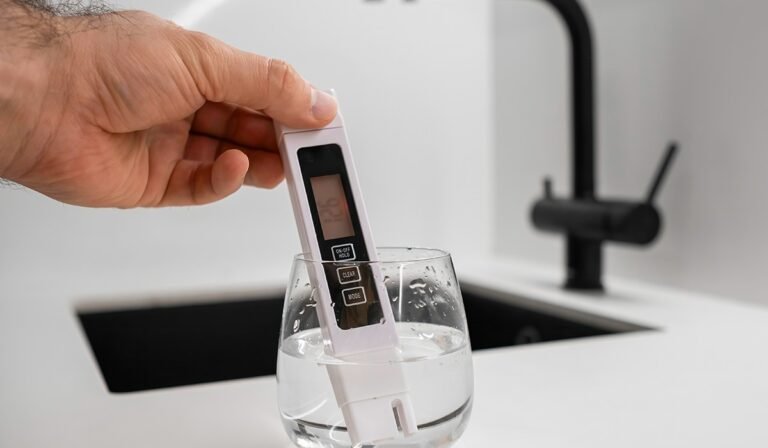
Before investing in new equipment, testing is essential. Not just a quick glance or a vague opinion, but proper testing that identifies what is actually in the water. Hardness, iron, chlorine, pH, sediment, odor issues, and other concerns should be understood before a recommendation is made.
This helps avoid overspending, too. Not every home needs the biggest or most expensive setup. Some homes need a softener. Some need filtration. Others need a combination system. And in some cases, a simple adjustment or maintenance visit may be enough for now.
That honesty matters. Homeowners don’t want to feel pushed into a purchase. They want to feel informed. A well-explained recommendation builds confidence because it connects the problem to the solution in plain language.
Looking Beyond the Equipment
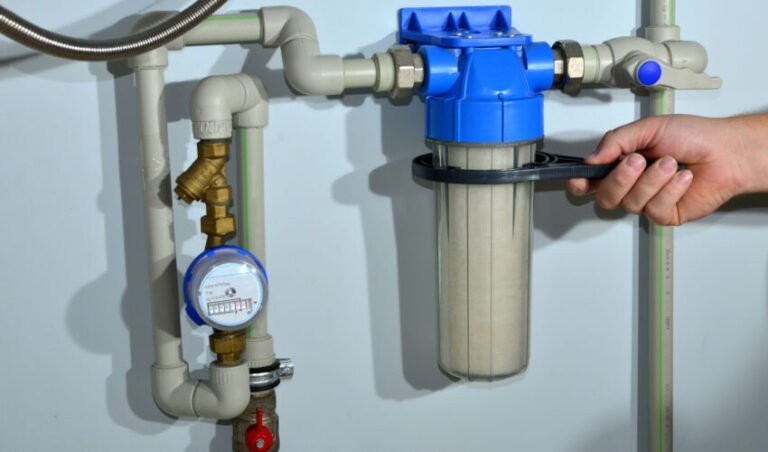
A water system is only as good as its installation and support. Even high-quality equipment can become a headache if it’s installed poorly or sized incorrectly. The same goes for maintenance. Filters need replacing, settings need checking, and the system should be reviewed from time to time to make sure it is still performing well.
So when choosing a provider, it’s worth asking about experience, warranties, service plans, response times, and long-term support. A slightly cheaper system may not feel cheap later if no one is available when you need help.
Good service has a way of paying for itself, quietly.
A Better Starting Point for Your Home
Water may not be the flashiest home improvement, but it touches nearly everything — cooking, cleaning, bathing, laundry, plumbing, and comfort. When the system behind it starts falling behind, the effects show up all over the house.
The best first step is not always buying something immediately. Sometimes it’s simply getting the right advice, understanding what your water needs, and deciding from there. With the right guidance, upgrading your water system feels less like a guess and more like a practical decision for a cleaner, easier home.
And honestly, that’s how it should be. Good water shouldn’t be complicated. It should just work.