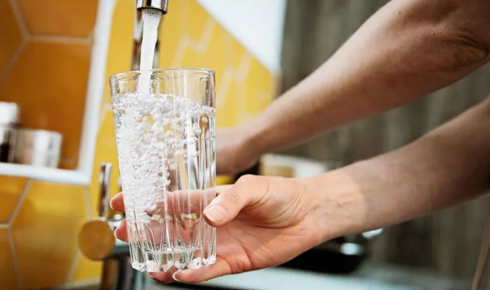
Most people don’t think about their tap water until something feels off. Maybe the tea tastes slightly metallic. Maybe the shower leaves your skin feeling tight, or the kitchen sink gives off a faint chlorine smell when you fill a glass. It’s easy to shrug these things away because, well, water is water, right? It comes out of the tap, we use it, and life moves on.
But the truth is, the water running through a home affects more than drinking and cooking. It touches laundry, plumbing, appliances, hair, skin, coffee, baby bottles, houseplants, and even the way a bathroom looks after a few weeks of mineral buildup. That’s why paying attention to water quality isn’t just some technical concern for experts. It’s a practical part of keeping a home comfortable, clean, and healthier to live in.
The Small Signs Water Leaves Behind
Water has a funny way of telling on itself. It leaves white spots on glasses, orange stains near drains, chalky residue on taps, and sometimes a smell that makes you pause before taking a sip. These little signs may seem harmless at first, but they usually point to something happening below the surface.
Hard water, for example, contains high levels of minerals like calcium and magnesium. It’s not usually dangerous, but it can be annoying and expensive over time. Soap doesn’t lather properly. Clothes can feel stiff after washing. Water heaters may work harder because scale builds up inside them. Even simple chores become a little less satisfying.
Then there are issues like chlorine taste, sediment, rust particles, or organic matter that may enter water through aging pipes, municipal treatment systems, or private wells. Some homes deal with one problem. Others deal with several at once. And because water conditions vary so much from place to place, there’s rarely a one-size-fits-all answer.
Why Clear Water Isn’t Always Clean Water
One of the biggest misunderstandings about household water is assuming that clear means clean. A glass of water can look perfectly fine and still contain dissolved substances you cannot see, smell, or taste. That doesn’t mean every glass is dangerous, of course. Municipal water is treated and monitored in many areas. Still, water can pick up unwanted materials after it leaves the treatment facility, especially if it travels through old pipes or storage systems.
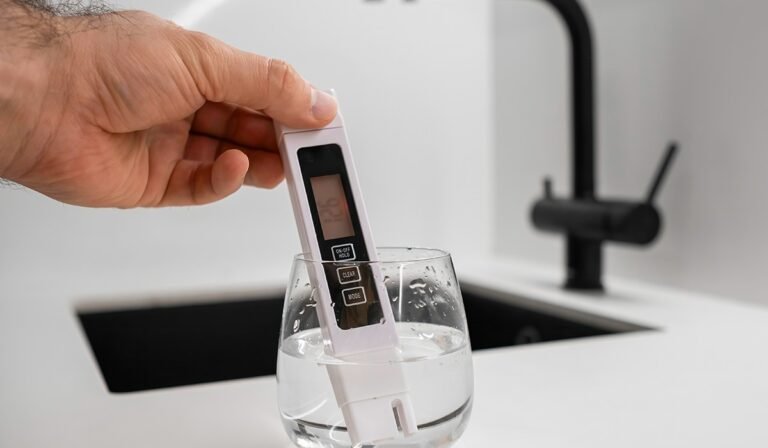
For homes using well water, the responsibility is even more personal. Well water may be affected by nearby agriculture, soil conditions, minerals, bacteria, or seasonal changes after heavy rain. That’s why testing matters. Not in a dramatic, panic-button kind of way, but in a sensible “let’s know what we’re dealing with” way.
Testing gives homeowners a clearer picture. Is the water hard? Is there iron? Is there sediment? Are there unpleasant tastes caused by chlorine or sulfur? Once the issue is known, the solution becomes much easier to choose.
Filtration Is Not Just About Drinking Water
When people hear “water filter,” they often picture a small pitcher in the fridge or a tap attachment in the kitchen. Those can help with taste, sure, but household water problems often go beyond one glass at a time. If minerals, sediment, or chemicals are moving through the entire plumbing system, treating only one tap may feel like putting a tiny plaster on a bigger scrape.
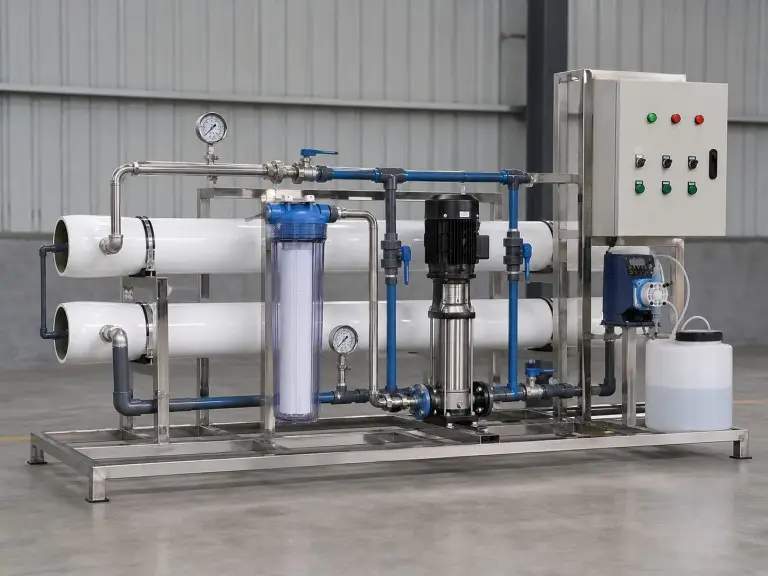
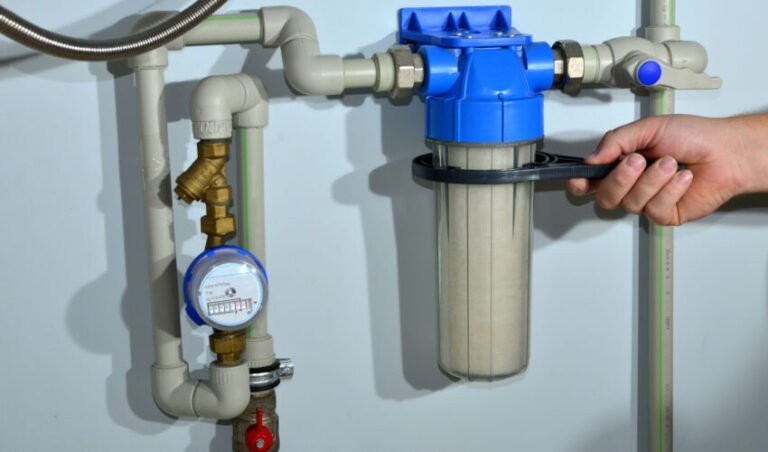
That’s where contaminant removal becomes important. A properly selected filtration system can help reduce unwanted substances before they spread through the home. Depending on the setup, this may include sediment filters, carbon filters, reverse osmosis units, water softeners, UV systems, or whole-house filtration equipment.
Each system has a different job. Carbon filters are often used to reduce chlorine taste and odor. Sediment filters catch particles like sand, dirt, and rust. Reverse osmosis can reduce many dissolved solids from drinking water. UV systems are commonly used to address certain microbial concerns in well water. Water softeners, meanwhile, tackle hardness minerals rather than chemical contaminants.
The key is matching the system to the actual problem, not simply buying the biggest or most expensive option.
The Everyday Comfort of Better Water
Good water has a quiet kind of value. It doesn’t shout for attention. It simply makes normal routines feel better.
Coffee tastes cleaner. Soup doesn’t carry a strange aftertaste. Glass shower doors stay clearer for longer. Towels feel softer. Skin may feel less dry after bathing, especially in homes that previously had very hard or heavily treated water. Appliances such as dishwashers, washing machines, and water heaters may also benefit when scale and sediment are reduced.
There’s also peace of mind, which is hard to measure but easy to understand. When a family knows their water has been tested and treated correctly, they don’t have to second-guess every glass poured from the sink. That matters, especially in households with children, elderly family members, or anyone who simply wants a healthier home environment.
Choosing the Right System Without Overcomplicating It
The water treatment industry can feel confusing because there are so many products, claims, and technical words floating around. Some companies make it sound like every home needs a massive system. Others sell quick fixes that may not solve the real issue. The best approach is usually calmer than that.
Start with testing. Then look at your home’s actual needs. A small apartment with city water may only need drinking water filtration. A larger home with hard water may benefit from a softener plus filtration. A rural property using a private well may require more detailed treatment, especially if bacteria, iron, sulfur odor, or sediment are present.
Professional guidance can help here, but homeowners should still ask questions. What does the system remove? How often do filters need changing? What maintenance is required? Is the equipment sized for the household’s water use? These simple questions can prevent wasted money and future frustration.
A Better Home Starts at the Tap
Water is one of those things we use all day without giving it much credit. It’s in the first cup of coffee, the evening shower, the pasta pot, the laundry cycle, and the glass sitting beside the bed at night. When it’s clean, balanced, and pleasant to use, the whole home feels just a bit more cared for.
Investing in home water filtration is not about chasing perfection. It’s about understanding what’s coming into your house and making thoughtful improvements where they matter. Sometimes that means better taste. Sometimes it means protecting pipes and appliances. Sometimes it means reducing specific contaminants that testing has revealed.
Either way, better water is rarely a luxury once you’ve lived with it. It becomes one of those simple upgrades that quietly improves everyday life, one glass, one shower, and one load of laundry at a time.