Water is one of those things we rarely think about until something goes wrong. A dripping tap, cloudy glass, stubborn scale around the showerhead, or a water heater that seems to be working harder than usual can suddenly make us pay attention. Often, the problem isn’t simply “bad water.” It’s a combination of water chemistry, how much water a home uses, and the way water moves through the house.
Understanding these factors can help homeowners make smarter decisions about filtration, softening, maintenance, and plumbing improvements. You don’t need to become a plumbing expert, either. A little practical knowledge goes a surprisingly long way.
What Water Hardness Really Means
Water hardness refers mainly to the amount of dissolved calcium and magnesium in water. These minerals occur naturally as groundwater moves through rocks and soil. Hard water isn’t usually considered a direct health concern, but it can be a nuisance around the home.
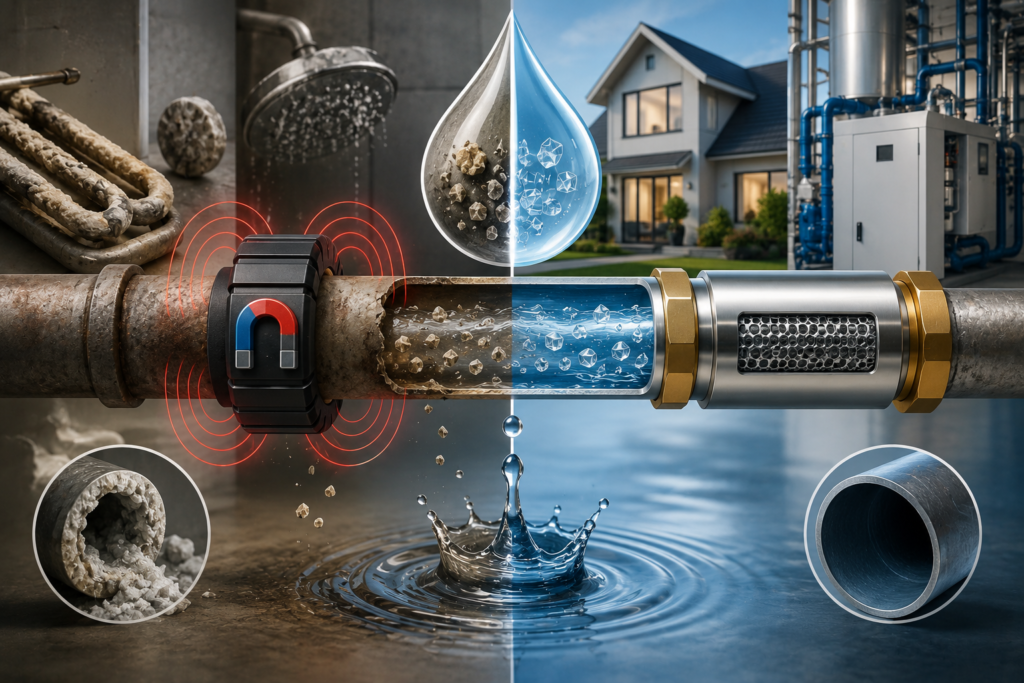
You may notice white or chalky deposits on faucets, shower doors, kettles, and sinks. Soap may also struggle to lather properly, leaving a film behind. Over time, mineral deposits can build up inside pipes and appliances, especially where hot water is involved.
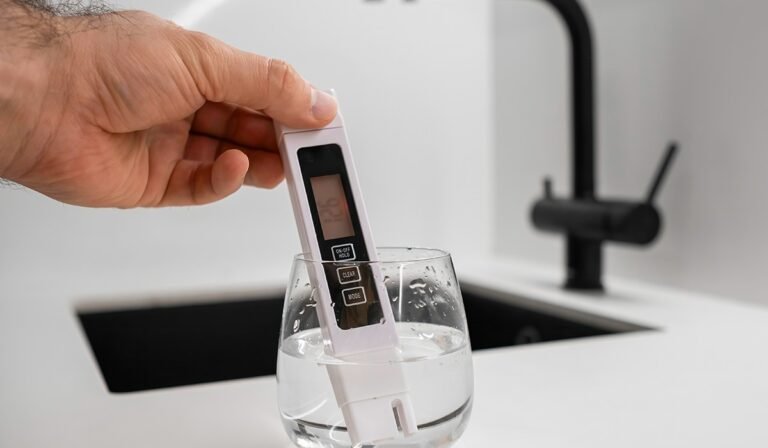
Checking water hardness levels is a useful first step when these problems keep appearing. Testing can show whether the water is mildly hard, moderately hard, or very hard. That information matters because the right treatment depends on the severity of the issue rather than guesswork.
Why Hard Water Can Affect Everyday Life
Think about your morning shower. If your skin feels dry afterward, your shampoo doesn’t rinse quite right, and the showerhead has little white spots around its openings, hard water could be part of the story.
The same thing happens in kitchens. Mineral-rich water can leave marks on dishes and glassware. Coffee makers and electric kettles may develop scale faster than expected. Even laundry can feel different because hard water reduces the effectiveness of soap and detergent.
None of these problems usually appears overnight. They build gradually, which is why homeowners sometimes overlook them. One small deposit doesn’t seem important. Hundreds of them over several years are another matter.
Household Water Usage Is More Important Than You Might Think
A water treatment system should match the actual needs of a home. A system designed for a small household may struggle if several bathrooms, a large family, and water-hungry appliances are using water throughout the day.
Understanding household water usage means looking beyond the monthly water bill. Consider showers, toilets, washing machines, dishwashers, outdoor taps, kitchen sinks, and other fixtures. Morning and evening often create noticeable demand peaks when multiple people are getting ready, cooking, or cleaning at roughly the same time.
This matters when selecting a water softener or filtration system. Capacity, flow rate, and regeneration requirements should all be considered. A system that’s too small may cause pressure or performance issues, while an unnecessarily large system can mean spending more money than you need to.
The Hidden Role of Your Plumbing System
Water quality and water demand don’t exist separately from the plumbing. The pipes, valves, fixtures, and connections throughout a house determine how efficiently water gets where it needs to go.
Older homes can have very different plumbing arrangements from newer construction. Pipe materials may vary, and additions or renovations can create unusual routes. A bathroom installed years after the original house, for example, might have a different supply arrangement from the rest of the property.
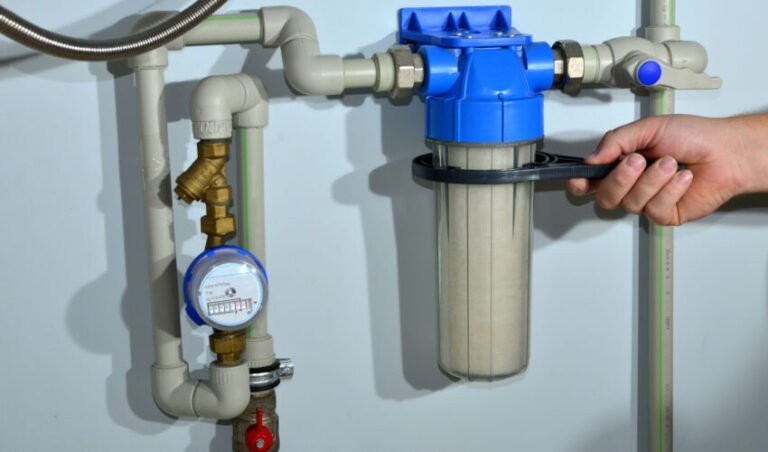
That’s why understanding the plumbing layout can be surprisingly helpful. Before installing a whole-home filter, softener, or other treatment equipment, homeowners should know where the main water line enters the property and how the supply branches toward different fixtures.
Water Pressure and Flow Need Attention Too
People often assume low water pressure automatically means there’s a problem with the municipal supply. Sometimes it does. But there can be other explanations.
Partially closed valves, clogged aerators, mineral buildup, undersized pipes, leaks, or pressure-reducing equipment can all influence water flow. In homes with hard water, scale inside older pipes may gradually restrict the available passage.
On the other hand, excessively high pressure isn’t something to celebrate. It can put unnecessary stress on fixtures, appliances, and pipe connections. A pressure gauge can provide useful information, but persistent pressure problems are worth having a qualified plumber investigate.
Where Water Treatment Fits In
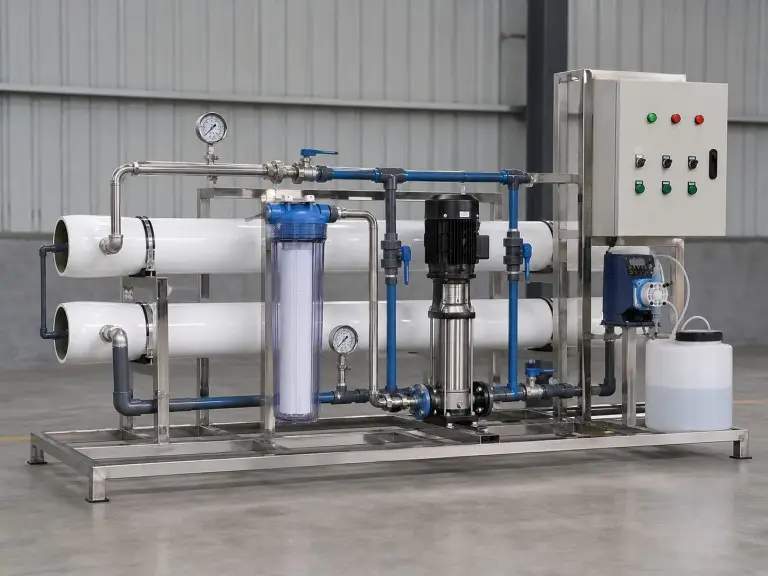
Water treatment isn’t one-size-fits-all. A basic sediment filter may be enough for visible particles, while another home may need a softener for hardness or a more advanced filtration system for specific contaminants.
The important thing is to test the water first when possible. Testing gives you a clearer picture of what’s actually present. It also prevents the common mistake of buying equipment based purely on a neighbor’s recommendation.
For example, two houses on the same street can have different water concerns if one relies on a private well and another receives treated municipal water. Even homes using the same source can experience different plumbing-related issues because of age, pipe materials, and maintenance history.
Simple Habits Can Prevent Bigger Problems
Good water management doesn’t always require expensive equipment. A few simple habits can help.
- Check faucets and visible pipe connections for leaks.
- Clean scale from showerheads and fixtures regularly.
- Replace worn washers and seals before small leaks become bigger ones.
- Keep an eye on water pressure.
- Test private well water according to local recommendations.
- Have water treatment equipment serviced according to the manufacturer’s instructions.
- Pay attention to unusual changes in taste, odor, color, or flow.
These little checks are easy to postpone, especially when everything seems to be working. But plumbing problems have a habit of becoming expensive when ignored.
Making Better Decisions for Your Home
When you’re considering a water softener, filtration system, plumbing repair, or even a renovation, start with the basics: know your water, understand your usage, and learn how your plumbing is arranged.
Water hardness can explain scale and appliance problems. Water demand helps determine the appropriate system capacity. Plumbing design affects flow, installation, and long-term performance. Looking at all three together creates a much clearer picture than focusing on just one symptom.
And honestly, that’s the part many homeowners miss. A house isn’t a collection of separate systems. Everything is connected. The water coming into the property, the treatment equipment, the pipes behind the walls, and the fixtures you use every day all influence one another.
The goal isn’t simply to have “better water.” It’s to create a home water system that works reliably, efficiently, and comfortably for the people living there. Once you understand what’s happening behind the scenes, maintaining it becomes a lot less mysterious—and a whole lot easier.