Water is one of those everyday things we trust without thinking too much. Turn the tap, fill the glass, run the shower, wash the dishes, start the laundry. It’s all so normal that most homeowners only notice their water when it starts causing trouble.
Maybe the sink gets chalky white marks that won’t wipe away properly. Maybe the showerhead sprays in every direction except the right one. Maybe your kettle has that crusty layer at the bottom, even though you cleaned it last week. These little annoyances feel harmless at first, but they often point to a bigger story about what’s really moving through your home’s water lines.
Good water quality is not just about drinking water, either. It touches almost every corner of daily life — cooking, cleaning, bathing, laundry, appliances, pipes, fixtures, and even how long things last before they need repair. A home with better water simply feels easier to live in.
Why Water Quality Matters More Than It Seems
Most people judge water by how it looks. If it’s clear, it must be fine, right? Not always. Water can look perfectly normal and still contain minerals, sediment, chlorine, iron, or other elements that affect its taste, smell, and behaviour inside the home.
Hard water, for example, is extremely common. It usually contains higher levels of calcium and magnesium. These minerals are not always a health concern, but they can create scale buildup, reduce soap performance, leave spots on glassware, and make cleaning feel like a never-ending job.
Then there are other issues. Iron may leave reddish stains. Chlorine can create a sharp smell or taste. Sediment may make water cloudy or gritty. Acidic water can slowly wear away at pipes. None of this sounds dramatic in the beginning, but homes don’t usually suffer from one big water problem overnight. It’s more often slow, steady wear.
The Impact on Fixtures Around the House
Your taps, showerheads, toilets, tubs, and sinks deal with water every single day. If the water is full of minerals or sediment, those surfaces and small moving parts take the hit first. You may see stains, scale, dull finishes, clogged aerators, weak spray pressure, or handles that start feeling stiff over time.
High-mineral water can be especially rough on plumbing fixtures because scale collects around openings and inside small components. A faucet may still work, but not as smoothly as it should. A showerhead may lose pressure. Toilet valves may wear faster. Even polished finishes can start to look tired before their time.
This is why water quality should be part of regular home care. Cleaning the outside of a tap is useful, of course, but if the water itself keeps leaving deposits behind, you’re mostly fighting the same battle again and again.
Appliances Often Suffer First
Think about how many appliances rely on water. Dishwashers, washing machines, water heaters, coffee makers, ice makers, humidifiers, and boilers all depend on a steady supply of reasonably balanced water. When the water carries excess hardness minerals or sediment, those appliances may work harder than they were designed to.
Scale inside a water heater can reduce efficiency and make heating slower. A dishwasher may leave cloudy glasses even after a full cycle. Washing machines may need more detergent to get clothes properly clean. Coffee makers can clog. Ice makers may produce cloudy or odd-tasting ice.
Over time, poor water quality can lead to appliance damage, and the frustrating part is that many homeowners don’t connect the repair bill back to the water. They assume the appliance was faulty or old. Sometimes it was. But sometimes the real problem was years of buildup quietly doing its work inside.
The Signs You Shouldn’t Ignore
Water problems usually leave clues. White crust around faucets. Orange or brown stains in toilets. Soap that refuses to lather. Dry skin after showers. Clothes that feel stiff after washing. A metallic taste. A sulfur smell. Water pressure that slowly drops. These signs may seem unrelated, but they often connect back to the water supply.
One of the easiest mistakes is waiting too long. A little scale might not bother you today, but once it collects inside pipes or appliances, removing it becomes harder. A small stain might be easy to clean now, but constant staining can damage surfaces and make bathrooms look older than they really are.
Pay attention to changes, especially sudden ones. If water taste, colour, smell, or pressure shifts quickly, it’s worth investigating. Water should be boring in the best possible way. When it starts getting your attention, there is usually a reason.
Testing Helps You Stop Guessing
It’s tempting to buy a filter after seeing one good review online. And yes, some filters can improve taste or reduce certain contaminants. But water treatment is not a guessing game. The right solution depends on what is actually in your water.
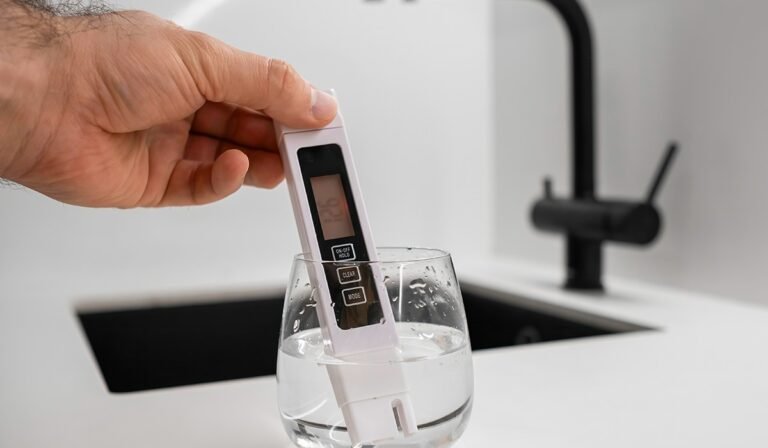
A proper water test can show hardness, pH, iron, chlorine, sediment, total dissolved solids, bacteria, nitrates, or other concerns depending on the water source. This matters even more for well water, because conditions can vary from one property to the next.
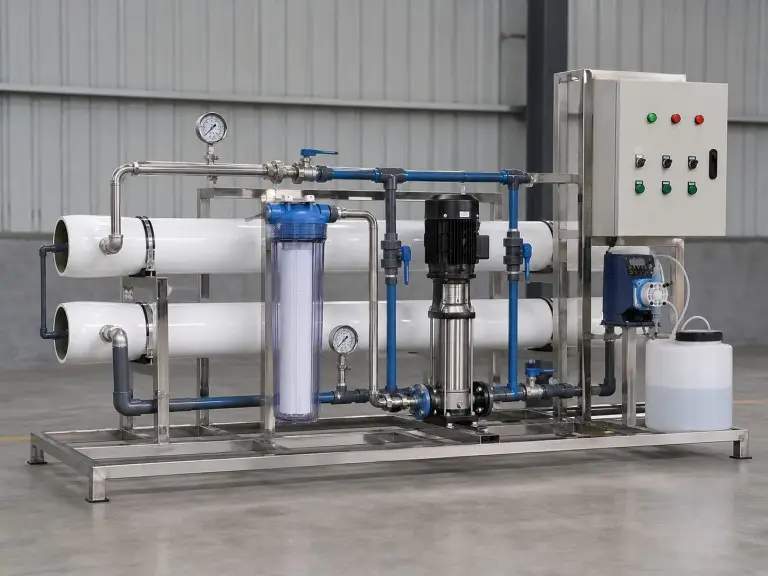
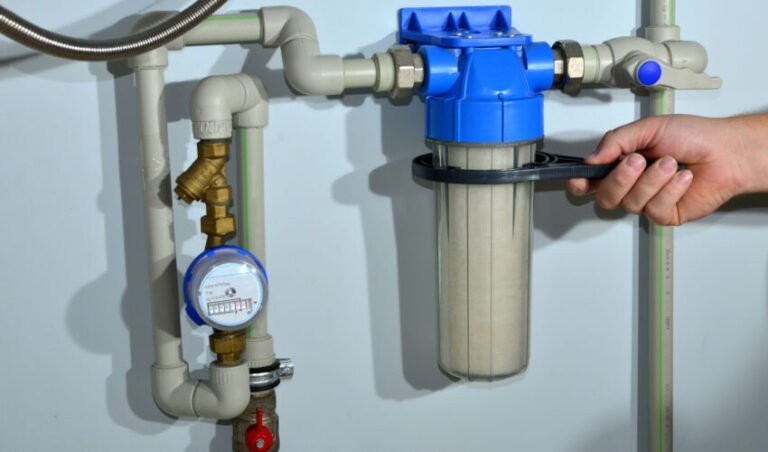
Once you know the problem, choosing a solution becomes much simpler. A water softener may help with hardness. A sediment filter can catch particles. Carbon filtration may improve taste and odour. Reverse osmosis can be useful for drinking water. UV treatment may be needed for certain well-water concerns.
Better Water Makes Daily Life Easier
There is a quiet comfort in having clean water throughout the home. Not just for drinking, but for the small routines that shape everyday living. Showers feel better. Laundry rinses cleaner. Dishes come out clearer. Fixtures stay brighter. Appliances run with less strain. Even cooking and coffee can taste more natural.
It’s not about chasing perfection. No home needs to become a science lab. But understanding your water and treating real issues can make a noticeable difference in comfort, maintenance, and long-term costs.
A Simple Step Toward a Better Home
Water quality is easy to overlook because it hides in plain sight. You use water dozens of times a day, yet rarely stop to question it. But the condition of your water affects more than the glass you drink from. It affects the things you touch, clean with, cook with, and rely on.
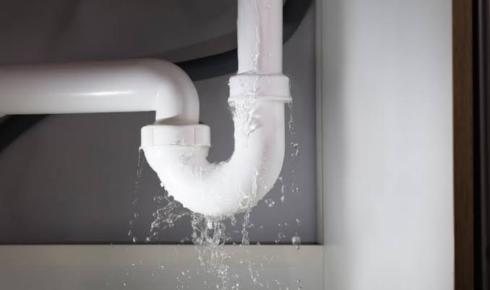
A sensible approach is simple: notice the signs, test before spending, maintain your plumbing, and choose treatment based on facts. It doesn’t have to be complicated or expensive from the start.
Sometimes, improving your home begins with something as ordinary as the water coming from the tap. And when that water is better, the whole house quietly benefits.