Good Water Shouldn’t Feel Like a Luxury
Most people don’t ask much from their water. They want it to taste clean, smell normal, rinse soap away properly, and not leave strange stains on…
Most people don’t ask much from their water. They want it to taste clean, smell normal, rinse soap away properly, and not leave strange stains on sinks or glasses. That’s about it. Water is supposed to be simple. You turn on the tap, fill the kettle, run the shower, start the washing machine, and move through the day without thinking too hard about it.
But when water starts acting up, it becomes surprisingly hard to ignore. Maybe the laundry feels stiff. Maybe your skin feels dry after every shower. Maybe the water tastes flat, metallic, or slightly chemical. Or maybe you’re just tired of buying bottled water because the tap never quite feels trustworthy.
That’s usually when homeowners start asking a bigger question: what would it take to have better water every day?
Water Quality Touches More Than Drinking
It’s easy to think water quality is only about the glass you drink from. But water moves through almost every part of a home. It runs through pipes, appliances, showers, toilets, dishwashers, washing machines, ice makers, and coffee machines. It touches your clothes, your food, your skin, your hair, and your fixtures.
So when the water isn’t right, the effects spread around quietly. Hard water can leave scale buildup. Chlorine can affect taste and smell. Iron may leave orange stains. Sediment can make water look cloudy or gritty. Certain contaminants may not show up clearly at all, which is even more reason to test instead of guessing.
Good water is not just a comfort feature. It’s part of how well a home functions.
What Better Water Actually Feels Like
There’s something very satisfying about high-quality water when you finally experience it consistently. It’s not dramatic in a movie-scene way. It’s quieter. Coffee tastes smoother. Ice cubes don’t smell odd. Dishes look cleaner. Showers feel better. You don’t second-guess the glass of water sitting beside your bed.
For some families, better water means reducing hardness minerals. For others, it means improving drinking water taste. Some homes need help with well water issues like iron, sulfur smell, bacteria concerns, or sediment. City water users may want to reduce chlorine taste, dissolved solids, or other treatment-related odors.
The point is that “better” depends on the home. That’s why a proper evaluation matters so much.
Testing Removes the Guesswork
A lot of people try to solve water problems backwards. They notice a stain, smell, or taste, then buy a filter that sounds promising. Sometimes it helps. Sometimes it barely changes anything. And sometimes it fixes one issue while leaving another problem untouched.
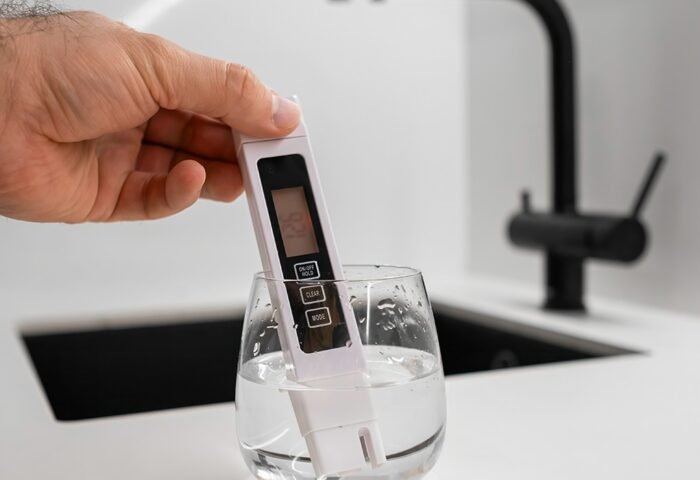
Water testing gives you a clearer starting point. It can show hardness, pH, chlorine, iron, sediment, total dissolved solids, bacteria, or other concerns depending on the water source and test type. Private well owners especially benefit from regular testing because their water is not monitored the same way public water supplies are.
Once you know what’s actually in the water, choosing the right system becomes much easier. You’re not guessing anymore. You’re responding to facts.
The Right System Should Match the Home
Every home has its own rhythm. A large family uses water differently from a single-person household. A rural home with a private well may need different equipment than a city home with treated municipal water. Older plumbing may create concerns that newer homes don’t have. Even water pressure and available space can affect what system makes sense.
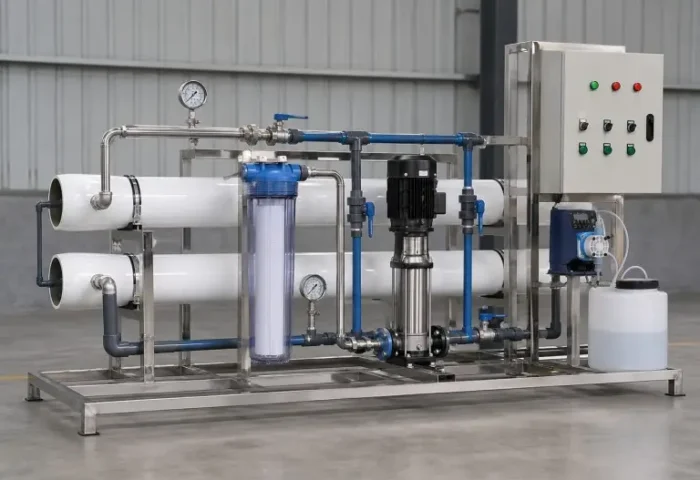
A thoughtful water treatment plan looks at all of this. It might include a softener, carbon filter, sediment filter, reverse osmosis system, UV unit, iron filter, or a combination of solutions. But the best system is not always the biggest or most expensive one. It’s the one that solves the real problem without making life complicated.
Why Installation Quality Matters
Water treatment equipment has to be sized and installed properly. That sounds obvious, but it’s where many problems begin. Poor installation can lead to leaks, low pressure, inefficient performance, hard-to-reach filters, or systems that are frustrating to maintain.
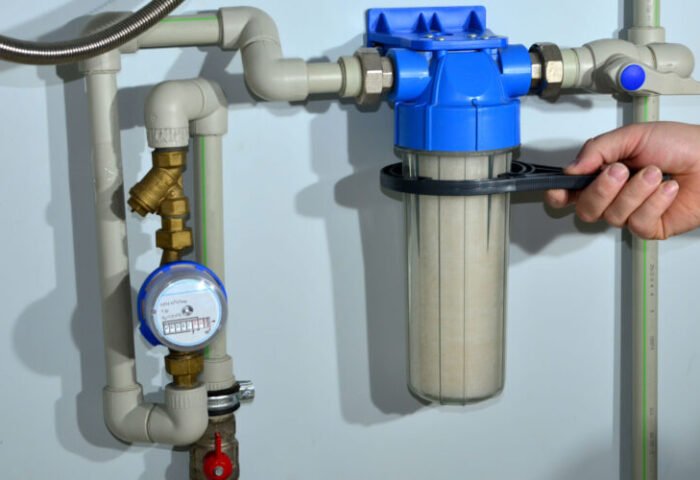
A clean installation should feel practical. The equipment should be placed where it can be serviced. The plumbing should be neat and secure. The system should support the home’s water usage instead of struggling during busy mornings when showers, laundry, and kitchen taps are all running.
This is the part homeowners don’t always see, but they definitely feel the results later.
Service Keeps Good Water Going
Even a well-installed system needs care over time. Filters have to be changed. Softener salt may need refilling. Reverse osmosis membranes eventually wear out. UV lamps lose effectiveness and must be replaced on schedule. Water conditions can change too, especially with wells.
That’s where ongoing support becomes valuable. Regular service helps keep the system working properly, catches small issues early, and gives homeowners confidence that their water treatment equipment is still doing its job.
Without maintenance, performance often declines slowly. You may not notice it at first. Then the taste changes, pressure drops, stains return, or the system starts working harder than it should. A simple service routine prevents a lot of unnecessary frustration.
The People Behind the System Matter
Good equipment is important, but so is the person recommending and maintaining it. Water treatment is not just about selling a unit and walking away. It requires understanding water chemistry, local conditions, plumbing basics, system design, and long-term care.
Working with certified specialists gives homeowners a better chance of getting honest guidance, correct installation, and reliable maintenance. They can explain what the test results mean, which problems need attention, and which solutions are actually worth considering.
That kind of clarity matters. Nobody wants to feel pressured into a system they don’t understand.
Better Water Makes Home Feel Easier
Cleaner, better-balanced water may not be the flashiest home improvement, but it touches daily life in a very real way. It can make drinking water more enjoyable, showers more comfortable, laundry softer, dishes cleaner, and appliances better protected.
And maybe that’s the real value. Not some dramatic transformation, but fewer little annoyances. Less scrubbing. Less bottled water. Less worrying about what’s coming from the tap.
Good water should feel simple. With the right testing, the right system, and proper care, it can be exactly that — reliable, clean, and quietly useful every single day.