The Everyday Value of Better Water at Home and Work
Water is one of those things we use so often that it almost disappears from our attention. We turn on the tap, fill a glass, rinse…
Water is one of those things we use so often that it almost disappears from our attention. We turn on the tap, fill a glass, rinse vegetables, start the washing machine, make coffee, clean the sink, and move on. It’s simple, ordinary, almost invisible. Until it isn’t.
Maybe the kettle has a chalky ring again. Maybe the dishwasher leaves cloudy marks on glassware. Maybe the water tastes slightly metallic, or the shower doesn’t feel as fresh as it should. These little things can be easy to ignore at first, but over time they start to tell a story. The water may be doing its job, technically, but it may not be doing it as well as your home or business needs.
That’s why more people are paying closer attention to what comes through their taps. Not in a dramatic, alarmist way. Just in a practical, sensible way. Better water can make daily life smoother, protect equipment, improve taste, and help avoid small problems becoming expensive ones.
Why Water Minerals Matter
Most water naturally contains minerals. Calcium, magnesium, iron, and other dissolved substances can be present depending on the source, local geology, and plumbing. In many cases, these minerals are not harmful in ordinary amounts. But they can still create problems.
Hard water is one of the most common examples. It often leaves white spots on taps, shower doors, dishes, and appliances. It can make soap less effective, cause scale inside pipes and equipment, and leave laundry feeling less soft than expected. If you’ve ever scrubbed the same cloudy shower glass again and again, you know how stubborn mineral buildup can be.
Some homes and businesses need mineral-free water for specific uses, especially where purity, consistency, or equipment protection matters. This can include certain laboratory tasks, manufacturing processes, steam equipment, aquariums, medical applications, or even high-quality drinking water systems. The point isn’t that every household needs perfectly mineral-free water. Most don’t. But when minerals interfere with performance, taste, or sensitive equipment, removing them can make a real difference.
The Hidden Cost of Poor Water
Water problems rarely arrive with a big warning sign. They creep in quietly. A coffee machine needs descaling more often. A water heater works harder. A dishwasher starts leaving residue. A showerhead loses pressure because of scale. It can feel like each issue is separate, but sometimes the same water problem is sitting underneath all of it.
For homeowners, this can mean more cleaning, more repairs, and more frustration. For businesses, the stakes can be higher. Equipment downtime can interrupt service, slow production, or create hygiene concerns. A restaurant with poor-tasting ice or a manufacturing site with inconsistent rinse water may feel the impact quickly.
Even small inefficiencies can become expensive when they repeat every day. That’s why water treatment is often less about luxury and more about prevention. It is much easier to manage water properly at the start than to keep paying for damage later.
Testing Comes Before Guessing
One of the biggest mistakes people make is buying a solution before understanding the problem. A filter might help with taste but do nothing for hardness. A softener may reduce scale but not remove certain dissolved contaminants. A basic pitcher filter may improve drinking water slightly but won’t protect whole-house plumbing or commercial equipment.
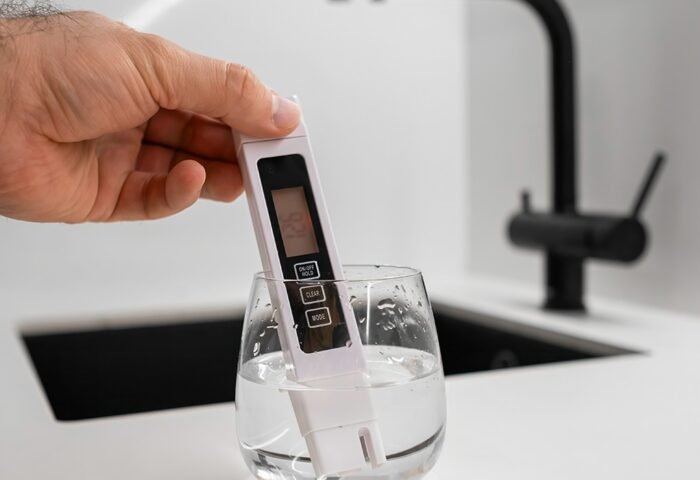
A proper water test gives clear direction. It can show hardness levels, pH, iron, chlorine, sediment, total dissolved solids, and other concerns depending on the situation. Once you know what is actually in the water, choosing the right system becomes much simpler.
This is especially important for well water, older properties, commercial kitchens, healthcare spaces, or facilities using water in production. Guesswork may seem cheaper at first, but it often leads to wasted money.
Choosing the Right System for the Job
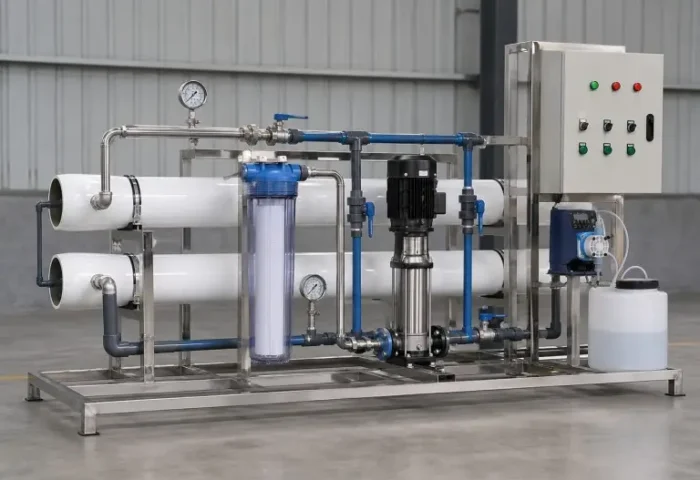
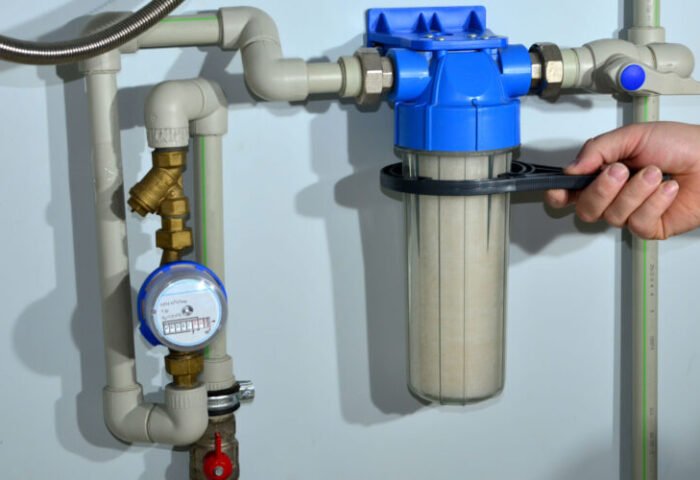
Not every water issue needs the same kind of solution. Sediment filters can help remove dirt, rust, and small particles. Carbon filters can improve taste and reduce chlorine. Water softeners help reduce hardness minerals. Reverse osmosis systems can support drinking water purity by reducing many dissolved substances. Deionisation systems may be used where highly purified water is needed.
Modern water treatment systems are usually selected based on water conditions, usage, flow rate, budget, and the level of purity required. A family home may need a simple whole-house filter and softener. A café might need filtration for coffee machines and ice makers. A lab or manufacturing facility may require more specialised treatment.
The best system is not always the biggest or most expensive one. It’s the one that fits the problem correctly and can be maintained without becoming a headache.
Better Water Feels Better in Small Ways
The benefits of improved water are often felt in quiet, everyday moments. Coffee tastes cleaner. Ice looks clearer. Soap rinses better. Towels feel nicer. Appliances run with fewer scale-related issues. Glassware comes out brighter. These may not sound life-changing, but anyone who has dealt with stubborn water problems knows how welcome these improvements can be.
There is also a comfort factor. When people trust their water, they use it more confidently. They drink from the tap, cook without hesitation, and stop wondering whether every strange taste or stain means something bigger is wrong.
Good water quality supports health, comfort, cleanliness, and efficiency. It affects more than drinking water alone. It touches cleaning, cooking, bathing, equipment, plumbing, and even the overall feel of a space. That’s why it deserves more attention than it usually gets.
Maintenance Keeps Everything Working
Installing a water treatment solution is only part of the story. Filters need replacing. Softener salt may need refilling. Membranes, cartridges, tanks, and valves should be checked according to the system’s schedule. A neglected system can lose performance and may even create new problems.
The good news is that maintenance is usually manageable when planned properly. Many systems have clear service intervals, and professional inspections can help catch issues early. Paying attention to changes in taste, pressure, staining, or flow can also help homeowners and facility managers act before a minor issue becomes a larger one.
A Smarter Way to Think About Water
Water is basic, yes, but basic things matter. A home or business depends on water every single day, often in more ways than people realise. When it is clean, consistent, and properly treated, everything feels a bit easier. When it isn’t, the problems can spread into comfort, cost, maintenance, and trust.
Improving water doesn’t have to be complicated. Start with testing. Understand the actual issue. Choose a system that matches the need. Keep it maintained. That simple approach can save money, protect equipment, and make everyday routines feel more reliable.
Sometimes the best improvements are not the loud ones. They are the ones quietly working in the background, making life run smoother every time someone turns on the tap.