THE PRINTING PRESS EDITIONIDEAS THAT INFORM A BRIGHTER TOMORROWOct 2026 / EDITION 01
Home Services
Why Water Quality Is Becoming a Bigger Priority for Homes and Businesses
June 30, 2026 · Admin
The Resource We Depend on Every Day
Water is one of those things that’s easy to overlook when everything is working properly. It flows from faucets, powers appliances, supports manufacturing processes, fills coffee pots, and helps keep homes and businesses running smoothly.
Most people rarely stop to think about it.
Then something changes. Maybe equipment begins requiring more maintenance than usual. Perhaps utility costs start creeping upward. Sometimes it’s an unusual taste, visible scaling, or a recurring issue that never seems to completely disappear.
That’s often when people realize how important water quality really is.
The truth is, water affects far more than drinking and cleaning. It plays a role in efficiency, comfort, operational performance, and even long-term expenses. Whether you’re managing a family home or operating a commercial facility, the quality of your water can have a surprisingly large impact on daily life.
Water Isn’t the Same Everywhere
One of the most common misconceptions about water is that it’s essentially the same no matter where it comes from.
In reality, water carries the characteristics of its environment.
Groundwater moves through layers of rock and soil, collecting minerals along the way. Municipal water travels through treatment plants and distribution systems before reaching consumers. Depending on the source, water may contain varying levels of minerals, sediment, chlorine, iron, sulfur compounds, or other naturally occurring substances.
That’s why one household may struggle with hard water while another deals with staining or unusual odors.
It’s also why businesses in different locations often face unique water-related challenges.
Understanding those differences is the first step toward making smarter decisions.
Small Water Problems Have a Way of Growing
One interesting thing about water issues is how gradually they develop.
Most problems don’t appear overnight. Instead, they show up in small ways that seem easy to ignore.
A water heater takes a little longer to recover. Dishes don’t look quite as clean as they once did. Faucets develop mineral deposits. Equipment requires more frequent maintenance.
Because these changes happen slowly, many people simply adapt.
The problem is that ignoring small issues today can sometimes create larger expenses tomorrow. Water has a way of influencing systems throughout a home or business, even when the effects aren’t immediately obvious.
Why Testing Matters More Than Guessing
When water-related concerns appear, many people immediately start searching for solutions online.
That’s understandable. The internet offers countless recommendations, products, and treatment options.
The challenge is that similar symptoms often have completely different causes.
Cloudy water, unusual odors, staining, and equipment performance issues can all stem from different water conditions. Treating the wrong problem wastes both time and money.
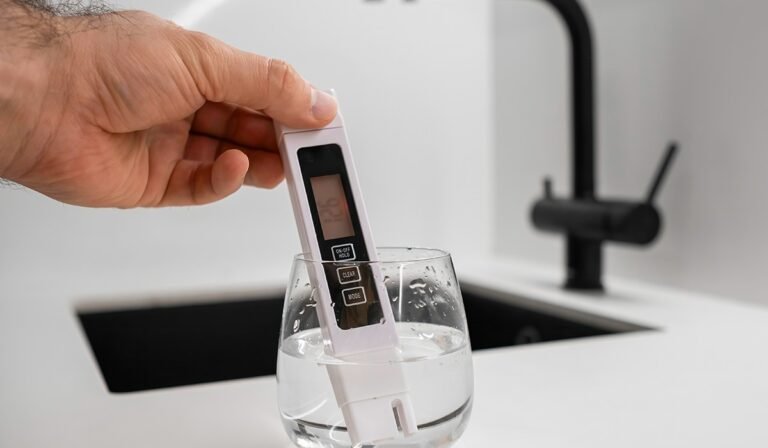
Testing removes the guesswork.
Instead of making assumptions, homeowners and business operators gain accurate information about their water source. That information provides a foundation for smarter decisions and more effective treatment strategies.
Knowledge really does make a difference here.
Better Water Often Means Better Performance
Many people initially focus on water treatment because they want cleaner drinking water or fewer visible problems.
Those benefits are important, of course.
But water quality improvements often create advantages that extend far beyond the original concern. In many cases, treatment strategies can help improve water quality in ways that positively affect appliances, plumbing systems, cleaning efficiency, and overall comfort.
The benefits aren’t always dramatic at first.
Sometimes they’re noticed through fewer maintenance headaches, improved consistency, or simply the feeling that everything works a little better.
Over time, those improvements become difficult to ignore.
Protecting Valuable Equipment
Water comes into contact with countless pieces of equipment every day.
Water heaters, dishwashers, boilers, coffee machines, ice makers, washing machines, cooling systems, and industrial machinery all depend on water in one way or another.
Poor water conditions can contribute to scale formation, corrosion, sediment accumulation, and reduced efficiency. Left unaddressed, these issues may shorten equipment lifespan and increase maintenance requirements.
Many organizations invest in treatment specifically to protect equipment from unnecessary wear and tear.
The logic is straightforward.
Replacing major systems is expensive. Preventing premature damage is usually far more cost-effective than repairing it later.
This principle applies equally to residential and commercial settings.
Modern Water Treatment Has Evolved
Water treatment technology has changed significantly over the years.
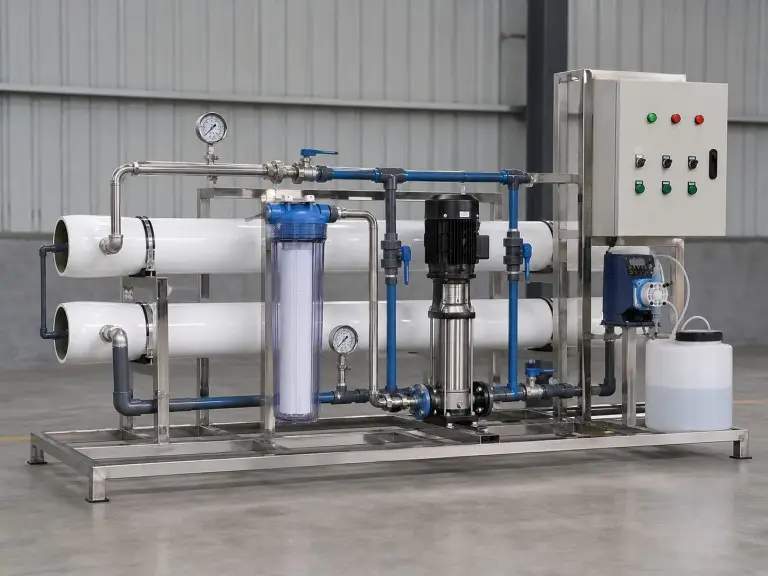
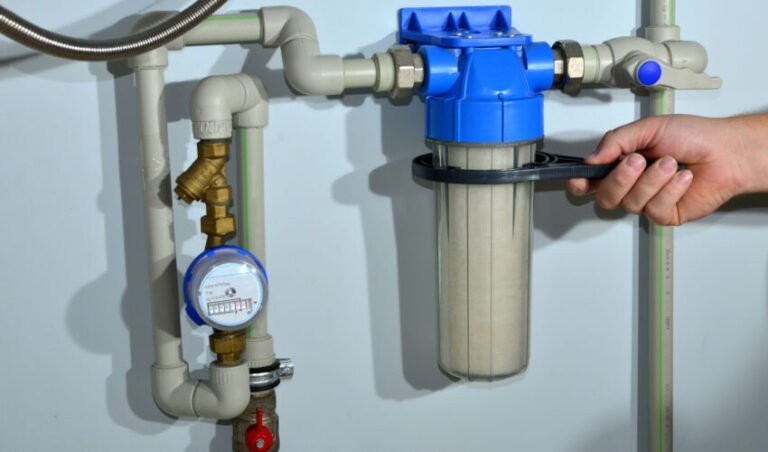
Today’s systems are more specialized, efficient, and adaptable than many people realize. Depending on the situation, treatment solutions may focus on filtration, hardness reduction, sediment removal, oxidation processes, disinfection methods, or other targeted approaches.
What’s encouraging is that modern treatment isn’t necessarily about adding complexity.
In many cases, the goal is the opposite.
Effective systems help simplify maintenance, improve reliability, and create a more predictable water experience. They work quietly in the background while homeowners and businesses focus on everything else that demands their attention.
That’s often the sign of a successful solution.
Looking Beyond Immediate Costs
Some people hesitate when considering water treatment investments because they focus exclusively on upfront expenses.
That’s understandable.
However, evaluating water quality improvements solely through initial costs can sometimes miss the bigger picture. Improved efficiency, reduced maintenance, extended equipment life, and lower repair expenses frequently contribute to long-term value.
For many organizations, treatment strategies help reduce operating costs by minimizing avoidable inefficiencies and preventing expensive equipment-related issues.
The savings may not appear overnight, but they often accumulate steadily over time.
Viewed through that lens, water treatment becomes less of an expense and more of a strategic investment.
Every Situation Is Different
Perhaps the most important lesson in water treatment is that there is no universal answer.
What works perfectly for one property may not be appropriate for another. Water conditions, usage patterns, equipment requirements, and performance goals all vary.
That’s why customized recommendations based on testing and evaluation tend to produce the best results.
Rather than chasing generic solutions, successful water management begins with understanding the specific challenges at hand.
From there, finding the right treatment path becomes much easier.
Final Thoughts
Water plays an essential role in nearly every aspect of daily life, yet it’s often overlooked until problems emerge. Whether the concern involves household comfort, equipment performance, maintenance demands, or operational efficiency, water quality has a much broader impact than many people initially realize.
The good news is that most water-related challenges can be addressed effectively with the right information and treatment strategy. Testing, evaluation, and thoughtful planning provide the foundation for meaningful improvements.
At the end of the day, good water supports everything around it. It helps systems run efficiently, protects valuable investments, and contributes to a more comfortable and productive environment. When water quality is managed properly, it quietly does its job—and that’s exactly what most people want from it.