Ice is one of those small details customers rarely think about, but businesses absolutely should. It sits in a glass of water, chills a cocktail, cools seafood displays, fills hotel buckets, blends into smoothies, and keeps fountain drinks refreshing. When it is clean and fresh, nobody says much. That is usually a good sign.
But when ice tastes strange, looks cloudy, melts too quickly, or carries tiny particles, people notice. Maybe they do not complain directly. Maybe they just leave half the drink behind or quietly decide the place feels less clean than it should. In food service, hospitality, healthcare, offices, and retail spaces, those little impressions matter.
The truth is simple: ice is only as good as the water used to make it. A high-quality machine cannot fully overcome poor incoming water. If the water contains minerals, sediment, chlorine taste, or other impurities, those issues can follow the ice all the way into the customer’s glass.
Ice Machines Work Harder Than People Realise
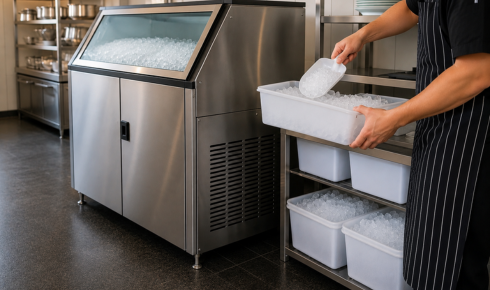
Commercial ice machines are not casual appliances. They run for long hours, often in warm kitchens, busy bars, hotel service areas, convenience stores, clinics, and restaurant prep spaces. They are expected to produce clean ice consistently, day after day, without fuss.
That is a lot to ask from any machine, especially when the water supply is not ideal. Hard water minerals can create scale inside the system. Sediment can clog small parts. Chlorine can affect taste and odour. Poor water quality may reduce performance, slow production, and increase the need for cleaning or repairs.
Good ice machine equipment is an investment, and like any investment, it needs the right support. Water quality is a big part of that support, even though it often gets overlooked until something goes wrong.
Why Water Quality Changes the Ice
Ice might seem like plain frozen water, but the freezing process can actually make water issues more noticeable. Minerals can concentrate. Odours can become trapped. Cloudiness can appear. If the water tastes unpleasant before freezing, the ice usually will not taste much better after it melts into a drink.
For restaurants and cafés, this can affect coffee, tea, soft drinks, cocktails, and even simple table water. For hotels, it affects guest experience. For healthcare or food display uses, appearance and cleanliness become even more important.
Customers may not know whether the problem is hardness, chlorine, sediment, or machine maintenance. They just know the ice does not seem right. That is why businesses should think beyond the machine itself and look closely at the water feeding it.
Filtration Makes a Practical Difference
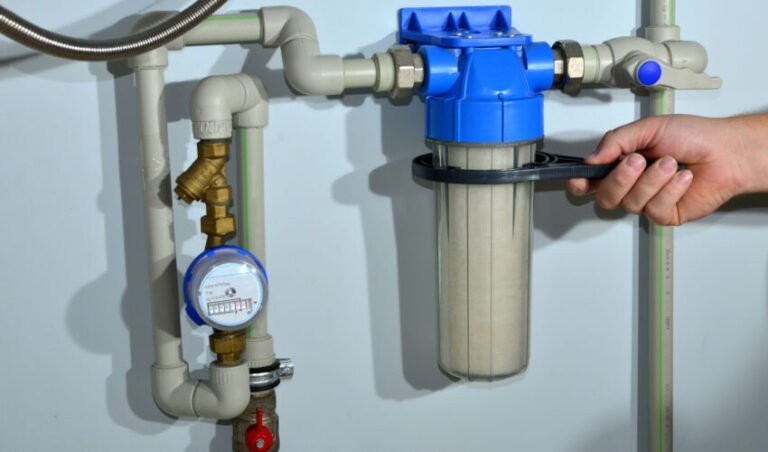
A well-matched filtration setup can help reduce the common water problems that affect ice quality and machine performance. It may improve taste, remove unwanted particles, reduce odours, and help limit scale-forming minerals depending on the system design.
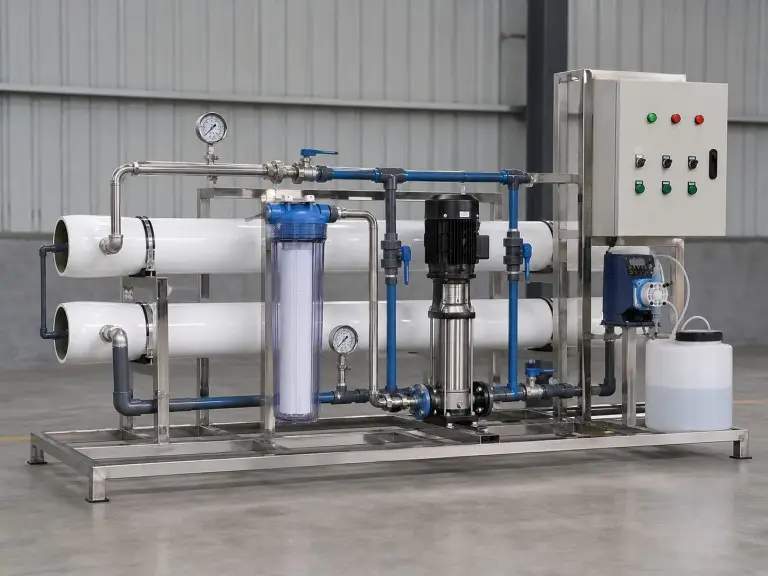
Modern filtration systems can be selected based on the water source, machine type, daily ice demand, and local water conditions. A small office ice maker will not need the same setup as a busy restaurant or hotel. Flow rate, filter capacity, and maintenance schedules all matter.
The goal is not just better-looking ice. It is consistency. Businesses need ice that tastes clean, looks fresh, and supports the drinks or services they provide without creating constant equipment headaches.
Scale Is a Silent Problem
Scale buildup is one of the most common issues in ice machines. It forms when hard water minerals collect on internal parts. At first, it may not seem like a big deal. The machine still runs. Ice still comes out. But slowly, performance can suffer.
Scale can reduce heat transfer, slow production, increase energy use, and force the machine to work harder. It may also lead to more frequent cleaning and service calls. In a busy business, even a short period of downtime can become stressful, especially during peak hours.
This is why treating water before it enters the machine is often smarter than reacting after scale has already built up. Prevention is not glamorous, but it is usually cheaper than repairs.
Protecting the Machine Protects the Business
Ice machines support daily operations in ways people sometimes underestimate. A bar without enough ice has a problem. A restaurant with cloudy or bad-tasting ice has a quality issue. A hotel with an out-of-service ice machine may annoy guests. A convenience store with unreliable ice production may lose sales.
That is where equipment protection becomes more than a maintenance phrase. It means helping the machine last longer, perform better, and avoid preventable breakdowns caused by poor water quality.
For business owners, that can mean fewer interruptions, lower repair pressure, and more predictable operations. It also helps staff focus on service instead of constantly dealing with machine problems.
Maintenance Still Matters
Filtration is important, but it does not replace regular care. Filters need to be changed on schedule. Ice machines need cleaning. Water conditions should be reviewed if taste, smell, production speed, or ice clarity changes.
A neglected filter can become part of the problem. Once it is overloaded, it may stop performing properly. Staff should know when cartridges need replacement and who is responsible for checking the system. A simple maintenance routine can prevent a lot of frustration later.
It is also worth working with professionals who understand both water treatment and commercial equipment needs. The right advice can help avoid undersized filters, poor installation, or systems that do not match the actual water problem.
Better Ice Is Good Business
Clean, fresh ice may seem like a small detail, but small details shape customer confidence. A drink served with clear, neutral-tasting ice feels better. A smoothie tastes cleaner. A cocktail keeps its balance. A glass of water looks more inviting.
Behind the scenes, better water can also help the machine run more smoothly and reduce avoidable service issues. That combination matters: better customer experience on the front end, better equipment care on the back end.
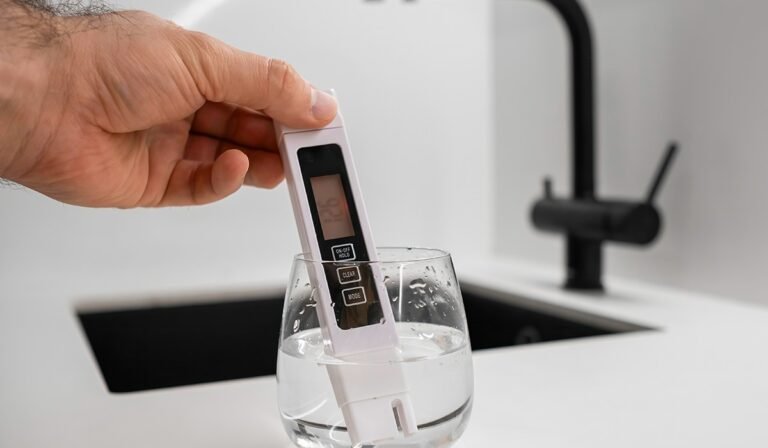
Ice starts as water. So if a business wants reliable ice, the smartest place to begin is with the water supply. Test it, filter it properly, maintain the system, and give the machine what it needs to do its job well. The results may seem quiet, but customers will feel the difference every time ice hits the glass.