There’s a certain kind of trip most of us are familiar with. You land in a new place, rush through a checklist of “must-see” spots, click photos, maybe try local food, and then—before you’ve really settled in—it’s time to leave.
It’s efficient. It’s exciting. But it’s also… exhausting.
Somewhere along the way, a different kind of travel has started to appeal to people. Less rushed, more intentional. Fewer places, deeper experiences. It’s not about covering ground—it’s about actually being present.
That’s where slow tourism enters the conversation.
What Slow Tourism Really Feels Like
Slow tourism isn’t just a trend label—it’s more of a mindset.
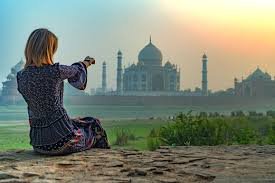
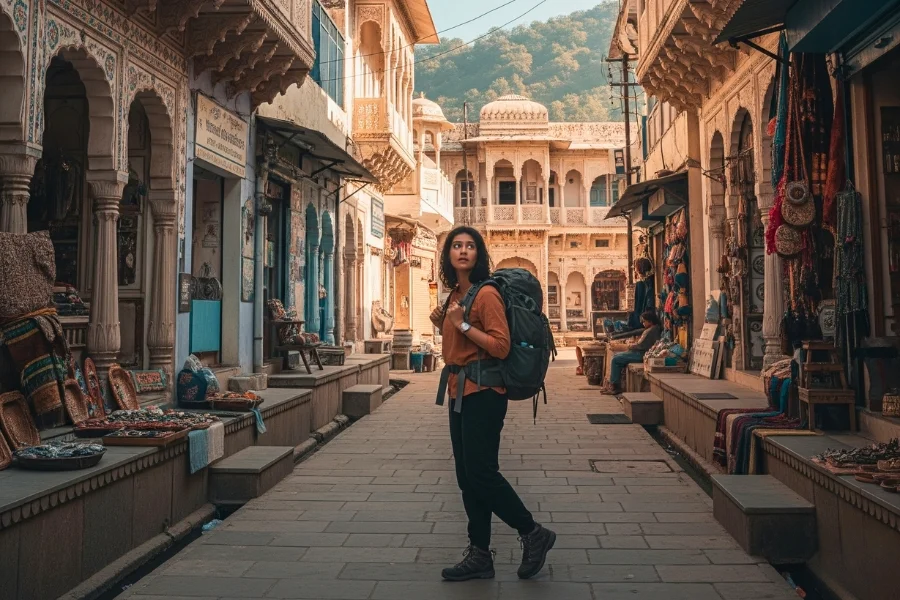
Instead of hopping between cities every two days, you stay in one place longer. You walk instead of rushing. You notice small details—the rhythm of a market, the quiet of a morning street, the way locals go about their day.
It’s less about “seeing everything” and more about “feeling something.”
And once you experience it, it’s hard to go back to the old way of traveling.
Why It’s Starting to Catch On in India
India, interestingly, is almost built for slow travel.
Think about it—every region has layers of culture, history, food, language. You can spend days in a small town and still feel like you’ve barely scratched the surface.
But for years, tourism here leaned toward fast itineraries. “Cover Rajasthan in 5 days,” “Do Kerala in a week.” It became more about ticking boxes than absorbing experiences.
That’s slowly changing.
Travelers—especially younger ones—are starting to value depth over speed. They’re choosing homestays over hotels, local cafés over tourist spots, conversations over checklists.
Which leads to an honest question: Slow tourism India me niche trend hai ya future mainstream banega?
The Pandemic Changed Travel, Quietly
If there’s one event that reshaped travel habits, it was the pandemic.
People became more conscious—not just about safety, but about how they spend their time. Long, crowded trips lost their appeal. Quiet, less crowded destinations gained attention.
Remote work also played a role.
When you can work from anywhere, a trip doesn’t have to be rushed. You can stay longer, explore slowly, and blend work with travel in a way that wasn’t possible before.
This shift didn’t feel dramatic. But it stuck.
The Appeal of Smaller Destinations
Slow tourism often leads people away from mainstream destinations.
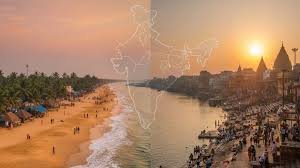
Instead of Goa’s crowded beaches, maybe a quiet coastal village. Instead of Manali’s busy streets, a lesser-known hill town nearby.
These places offer something different—space, authenticity, a sense of calm that’s hard to find in tourist-heavy areas.
And for local communities, this can be a positive shift. It spreads tourism income more evenly and reduces pressure on over-visited spots.
Challenges That Might Slow It Down
Of course, not everything aligns perfectly.
Slow tourism requires time—and not everyone has that luxury. Many travelers still operate within tight schedules, limited leaves, and budget constraints.
There’s also the question of infrastructure.
While smaller destinations are charming, they may lack reliable connectivity, transport options, or consistent services. For some travelers, that’s part of the appeal. For others, it’s a dealbreaker.
And then there’s habit.
Fast travel is familiar. It’s easy to plan, easy to execute. Changing that mindset takes time.
Is It Just a Trend or Something Deeper?
It’s tempting to label slow tourism as a passing phase—something that gained traction for a while and might fade.
But there’s a deeper shift happening.
People are rethinking not just how they travel, but why they travel. It’s less about social media validation and more about personal experience.
Spending a week in one place, getting to know it, forming small connections—that feels more meaningful to many now.
And once people taste that kind of travel, they often seek it again.
The Role of Digital Influence
Ironically, social media—which once fueled fast travel—is now helping promote slow tourism.
Travel creators are sharing longer stays, hidden spots, everyday moments. It’s less about “top 10 places to visit” and more about “what it feels like to live here for a while.”
That subtle shift in storytelling is influencing how people plan their trips.
A Gradual Move Toward Mainstream
So, will slow tourism become mainstream in India?
Probably—but not overnight.
It’s more likely to grow gradually, blending with existing travel styles. Some trips will still be fast-paced. Others will lean toward slower experiences.
Over time, the idea of “taking it slow” might become a normal option rather than an alternative one.
Final Thoughts
Travel has always been personal. What works for one person may not work for another.
But slow tourism offers something worth considering—a chance to pause, to experience, to connect.
In a world that often feels rushed, that’s not a small thing.
And maybe that’s why it’s gaining ground—not because it’s trendy, but because it feels right.
Not always. Not for everyone. But often enough to matter.