Water rarely gets much attention when everything is working as it should. You pour a glass, brew coffee, wash vegetables, or start the dishwasher without giving it a second thought. But the moment the water becomes cloudy, develops an unusual taste, or begins leaving residue behind, it suddenly becomes impossible to ignore.
The interesting thing about water quality is that even small changes can have a noticeable impact on your daily routine. Better-tasting drinks, cleaner dishes, healthier plumbing, and longer-lasting appliances all begin with understanding what’s actually flowing through your pipes.
Instead of relying on guesswork, choosing the right filtration method starts with recognizing your home’s unique water conditions.
Every Water Supply Is Different
No two water sources are exactly alike. Municipal water systems typically undergo extensive treatment before reaching homes, but water can still collect minerals, sediment, or chlorine as it travels through miles of underground infrastructure.
Private well owners often face an entirely different set of challenges. Naturally occurring minerals, sediment, iron, sulfur, and changing groundwater conditions can all influence water quality throughout the year.
That’s why the same filtration system that works perfectly for one household may not solve the problems experienced by another.
Understanding your water first almost always leads to better long-term results.
Why Tiny Particles Can Cause Big Problems
Some contaminants are easy to notice, while others are almost invisible.
Fine sand, rust flakes, dirt, and suspended particles may seem harmless individually, but together they gradually affect plumbing systems, reduce water pressure, and shorten the lifespan of expensive appliances.
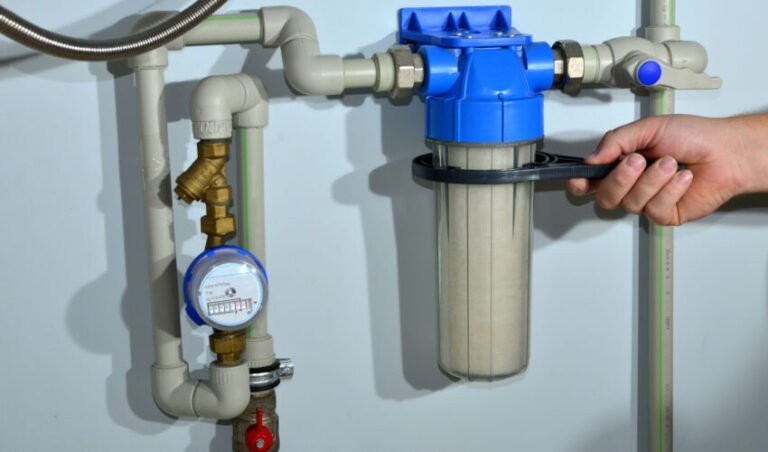
Effective sediment removal is often one of the first stages of a complete water treatment system. By capturing these particles before they circulate through household plumbing, sediment filtration protects faucets, showerheads, washing machines, water heaters, and other equipment from unnecessary wear.
It also improves water clarity, making everyday tasks feel noticeably cleaner and more enjoyable.
When Extra-Pure Water Really Matters
Most homeowners simply want clean, safe, pleasant-tasting water. Certain industries, however, require water with exceptionally low levels of dissolved minerals.
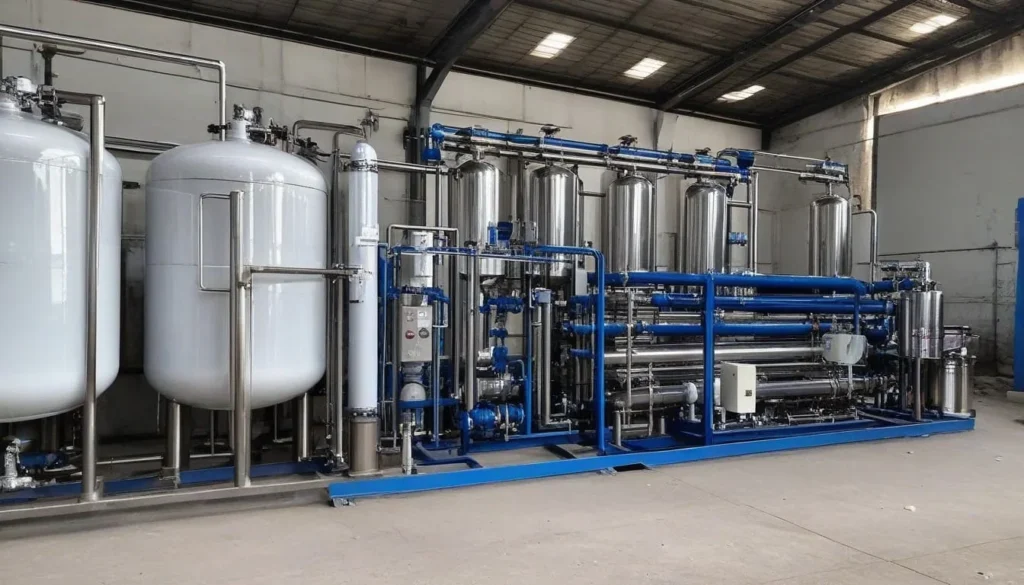
Laboratories, pharmaceutical manufacturers, electronics facilities, medical equipment processing, and specialized industrial operations often rely on deionization systems to produce highly purified water. These systems remove charged mineral ions that standard filtration methods may leave behind.
While deionization isn’t necessary for every home, it’s an excellent example of how different water applications require different treatment technologies.
Choosing the right solution always depends on the specific purpose the water serves.
Reverse Osmosis Remains One of the Most Trusted Solutions
When homeowners ask about improving drinking water quality, reverse osmosis frequently enters the conversation—and for good reason.
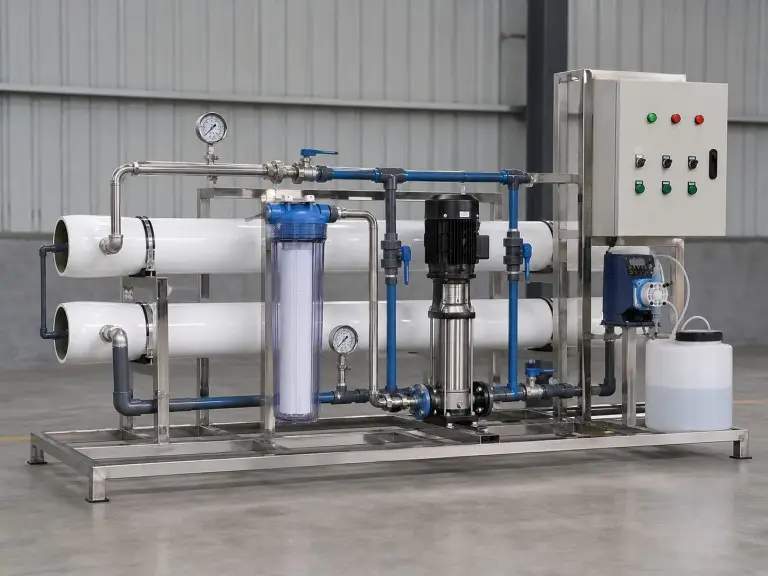
A properly installed reverse osmosis system uses a semi-permeable membrane to reduce many dissolved contaminants, including certain minerals, salts, and other unwanted substances. The result is water that many people describe as noticeably fresher and cleaner tasting.
Reverse osmosis systems are especially popular for kitchen drinking water because they provide high-quality filtered water without treating every gallon used throughout the home.
For many families, it’s one of the simplest ways to improve the quality of everyday drinking and cooking water.
Testing First Prevents Costly Mistakes
One of the biggest misconceptions about water treatment is that every problem requires more filtration.
In reality, installing equipment without understanding your water chemistry often leads to unnecessary expenses. A reverse osmosis system won’t solve hard water throughout the house. Sediment filtration won’t remove dissolved iron, and water softeners don’t eliminate chlorine.
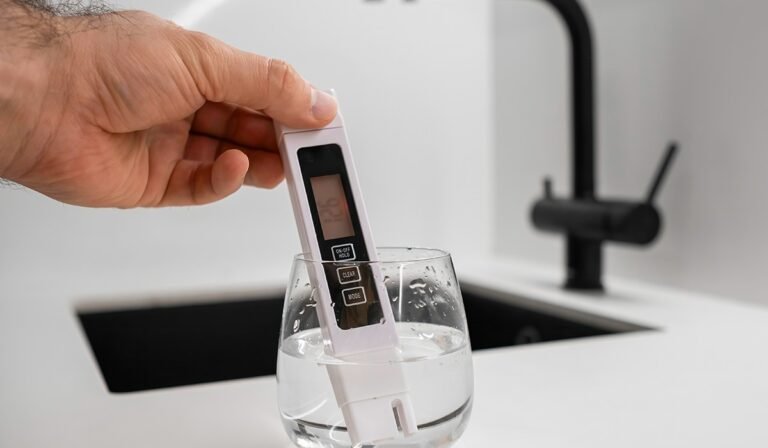
Professional water testing provides valuable information about hardness, pH, dissolved solids, iron, chlorine, sediment, and other important characteristics.
Armed with accurate test results, homeowners can confidently select equipment designed specifically for their water rather than hoping a generic solution works.
Better Water Supports More Than Drinking
Clean drinking water is important, but that’s only one piece of the puzzle.
Higher-quality water helps dishwashers produce cleaner glassware, keeps washing machines operating efficiently, and reduces buildup inside water heaters. Plumbing fixtures remain cleaner, while coffee, tea, soups, and other recipes often taste noticeably better.
Many homeowners also appreciate softer-feeling laundry and fewer mineral deposits around sinks and showers after installing appropriate treatment systems.
Water quietly influences dozens of household routines every single day.
Maintenance Keeps Filtration Working Efficiently
Like any home equipment, water treatment systems require occasional attention.
Sediment cartridges eventually fill with trapped particles. Reverse osmosis membranes need replacement after years of service. Deionization resin gradually loses effectiveness depending on usage.
Fortunately, routine maintenance is straightforward and helps ensure the equipment continues performing as intended.
Ignoring maintenance doesn’t usually cause immediate failure, but it gradually reduces filtration performance over time.
A little preventive care goes a long way toward protecting your investment.
Think Long-Term Instead of Short-Term
Many people compare filtration systems based only on purchase price. While budget certainly matters, long-term value tells a much more complete story.
Protecting plumbing, reducing appliance wear, improving energy efficiency, minimizing maintenance, and providing consistently clean water all contribute to the overall return on investment.
Quality equipment often costs more initially but saves considerably more over years of reliable service.
When viewed from that perspective, proper water treatment becomes less of an expense and more of a practical investment in your home.
Cleaner Water Creates a Better Everyday Experience
Water is woven into nearly every part of daily life, from preparing breakfast to washing dishes before bed. Because it’s so familiar, we often don’t notice how much its quality influences comfort, convenience, and even household expenses.
The good news is that improving water quality doesn’t have to be complicated. With accurate testing, a clear understanding of your home’s unique water conditions, and treatment systems designed to solve specific concerns, it’s possible to enjoy cleaner water throughout the home for years to come.
Sometimes the biggest improvements aren’t flashy renovations or expensive upgrades. Sometimes they’re as simple—and as important—as turning on the faucet and knowing the water flowing out is working exactly the way it should.