Home is where we expect to feel our most comfortable. It’s the place where mornings begin, families gather, and long days finally come to an end. But there’s something many homeowners rarely think about until allergies flare up or a room starts feeling stuffy—the air itself.
Unlike dirty countertops or dusty shelves, poor indoor air isn’t always obvious. You can’t always see it, and often you can’t smell it either. Yet it quietly affects everyday life. A little extra dust, lingering odors, frequent sneezing, or waking up with dry eyes may all be subtle signs that the air inside your home isn’t as fresh as you imagine.
The good news? Improving indoor air doesn’t always require dramatic renovations or expensive upgrades. Sometimes, a few thoughtful changes make a bigger difference than people expect.
Why Indoor Air Matters More Than Ever
Modern homes are designed to be energy efficient. While that’s excellent for lowering utility bills, it also means homes are sealed more tightly than they were years ago. Fresh outdoor air doesn’t naturally circulate as often, allowing dust, pet dander, cooking particles, and moisture to remain indoors much longer.
Think about everything happening inside your house on a typical day. Someone cooks breakfast, kids run through the hallway, pets jump on the couch, laundry dries, and cleaning products are sprayed around bathrooms and kitchens. Each activity releases tiny particles into the air.
Individually, they may seem insignificant. Together, however, they gradually influence the environment your family breathes every single day.
Small Everyday Habits Have a Bigger Impact Than You Think
Many homeowners focus on cleaning visible messes while overlooking the hidden sources of airborne particles.
Vacuuming with an older machine can actually send fine dust back into the room. Burning scented candles every evening may release additional particles. Even leaving windows closed for weeks during extreme weather limits natural ventilation.
Simple habits can help more than people realize:
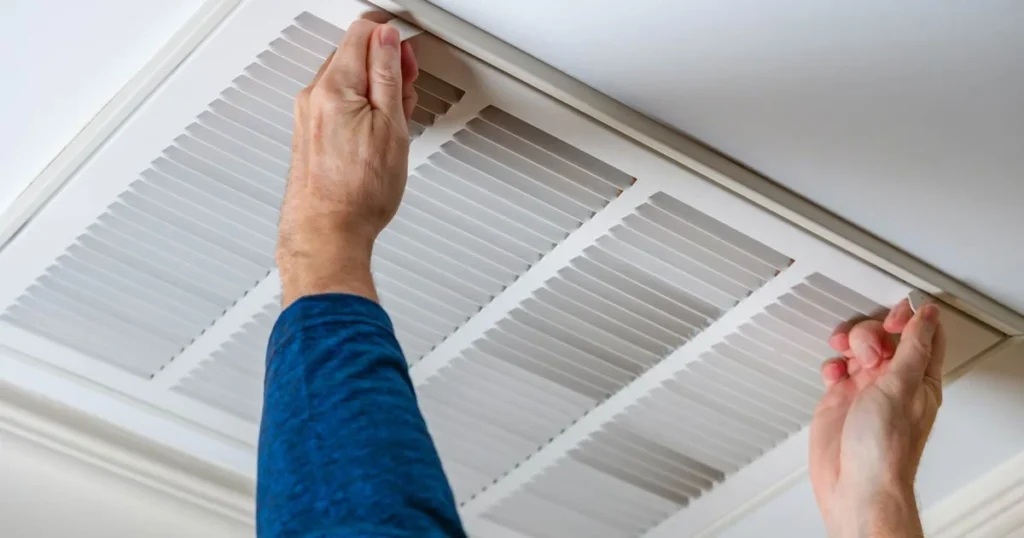
- Replace HVAC filters on schedule.
- Use kitchen exhaust fans whenever cooking.
- Keep humidity under control.
- Wash bedding regularly.
- Remove shoes near the entrance.
- Vacuum carpets with HEPA-equipped cleaners.
None of these changes feels revolutionary, but together they gradually improve the overall living environment.
Looking at Your Home as One Complete System
Many people purchase portable air cleaners for bedrooms or living rooms. While these devices certainly have their place, they only improve the air within a limited area.
That’s one reason homeowners increasingly consider whole home air filtration solutions that work alongside existing HVAC systems. Instead of treating individual rooms separately, these systems help clean circulating air throughout the entire house every time heating or cooling operates.
For larger homes or families with allergies, this whole-house approach often provides more consistent results than relying on multiple standalone units.
Cleaner Air Can Support Everyday Comfort
Air quality isn’t just about avoiding illness. It also affects how comfortable your home feels throughout the year.
Fresh indoor air may help reduce lingering odors after cooking, minimize dust settling on furniture, and create a more pleasant atmosphere overall. Some people even notice they’re sleeping better simply because the bedroom feels fresher and less stuffy.
While everyone experiences indoor environments differently, there’s little doubt that cleaner air contributes to a more enjoyable place to live.
After all, when your home feels fresh, everything else seems just a little more comfortable too.
Choosing the Right Technology
Today’s air purification systems come in many different forms. Some focus on trapping microscopic particles, while others help reduce odors or neutralize airborne contaminants. The right option depends on several factors, including home size, existing HVAC equipment, family health concerns, and budget.
Rather than chasing every new feature on the market, it’s usually smarter to focus on quality filtration, regular maintenance, and proper installation.
Even the best equipment won’t perform well if filters are neglected or airflow is restricted.
Don’t Ignore Humidity Levels
Humidity plays a surprisingly important role in indoor comfort.
Air that’s too dry may cause irritated skin, dry throats, or itchy eyes. Too much moisture, on the other hand, encourages mold growth and creates an environment where dust mites thrive.
Experts generally recommend maintaining indoor humidity somewhere around 30–50 percent. A simple digital hygrometer can help monitor moisture levels, making it easier to know when a humidifier or dehumidifier may be helpful.
Balancing humidity often improves comfort just as much as improving filtration.
Housekeeping Still Matters
Technology is useful, but it doesn’t replace regular cleaning.
Dust accumulates on ceiling fans, behind furniture, inside air vents, and underneath beds. Pet hair collects in surprising places. Forgotten water leaks create hidden moisture problems long before visible mold appears.
Routine maintenance remains one of the simplest and most affordable ways to improve indoor air.
Clean vents.
Replace filters.
Fix leaks quickly.
Vacuum consistently.
These ordinary tasks rarely get much attention, yet they have a lasting impact.
Fresh Air From Outside Has Its Place
When outdoor conditions allow, opening windows for even a short period helps exchange stale indoor air with fresh outdoor air.
Cross-ventilation works especially well during mild weather. Opening windows on opposite sides of the house encourages natural airflow that removes trapped odors and reduces stuffiness without costing anything.
Of course, this isn’t always practical during wildfire seasons or periods of heavy outdoor pollution, but whenever conditions are favorable, nature still provides one of the simplest ventilation methods available.
Building a Home With Healthier Air
Creating healthier air indoors isn’t about chasing perfection or buying every gadget advertised online. It’s really about paying attention to the environment where you spend most of your life.
Small improvements—changing filters regularly, controlling humidity, improving ventilation, and keeping your HVAC system maintained—often produce noticeable results over time.
The best part is that these changes don’t just benefit one person. They help everyone who walks through your front door.
A cleaner indoor environment won’t solve every health concern, but it can make your home feel fresher, more comfortable, and more enjoyable every day. And honestly, that’s something worth investing in. Sometimes the biggest improvements begin with something as invisible as the air we breathe.