A good water treatment system should not feel like a complicated project dropped into the middle of daily life. Whether it is being installed in a family home, office, restaurant, hotel, workshop, or commercial building, the goal is simple enough: better water, reliable performance, and a process that does not create unnecessary stress.
Still, a proper installation does not begin on the day someone arrives with tools and equipment. It starts earlier, with planning. The water needs to be understood. The property layout needs to be checked. The right system has to be chosen, sized, and placed where it can work properly. When these early steps are skipped, even high-quality equipment can become frustrating.
Water touches too many parts of a property to leave things to chance. It affects drinking, cooking, bathing, cleaning, laundry, appliances, heating systems, dishwashers, coffee machines, and sometimes business operations too. So the setup matters. A lot more than people sometimes think.
Why Planning Comes First
Every property has different water conditions and different demands. A small home with two people may need something very different from a large household with multiple bathrooms. A café or commercial kitchen may rely on water all day for dishwashing, ice machines, drinks, cleaning, and food preparation. A rural property using well water may have different concerns again, such as sediment, iron, hardness, or odour.
This is why a pre-installation consultation is such an important first step. It gives the installer a chance to understand the water issue, inspect the space, discuss the owner’s goals, and recommend a system that actually fits the property instead of forcing a generic solution into place.
Good questions at the beginning can prevent problems later. What does the water test show? Where is the main water line? Is there enough space for the unit? How easy will future maintenance be? Will the system affect pressure or flow? These details may not sound exciting, but they make the difference between a smooth installation and a messy one.
Choosing the Right System for the Job
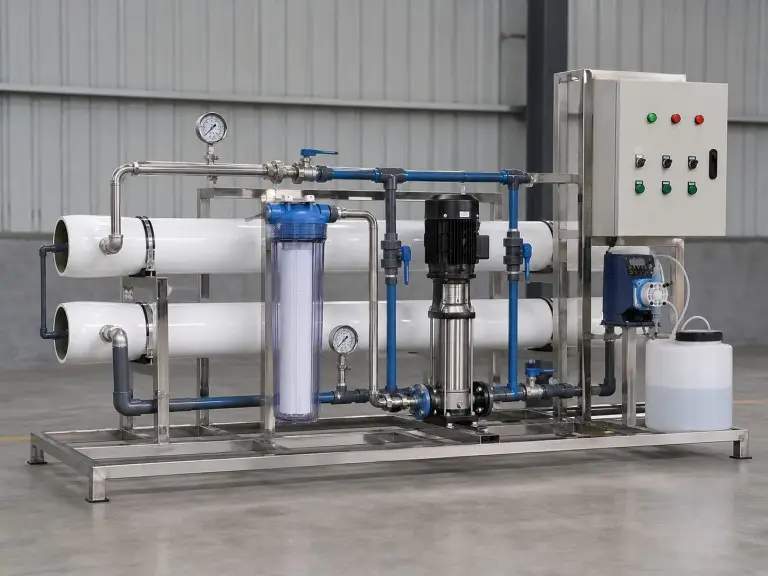
Water treatment is not one-size-fits-all. Some properties need a softener to reduce mineral buildup. Others need filtration to improve taste, odour, or sediment issues. Some may benefit from reverse osmosis drinking water systems, UV treatment, carbon filtration, or a combination of technologies.
The right system should be based on actual water conditions, not guesswork. A homeowner might think the issue is poor taste, when hardness or old plumbing is also playing a role. A business might blame equipment problems, while the real cause is scale buildup from untreated water.
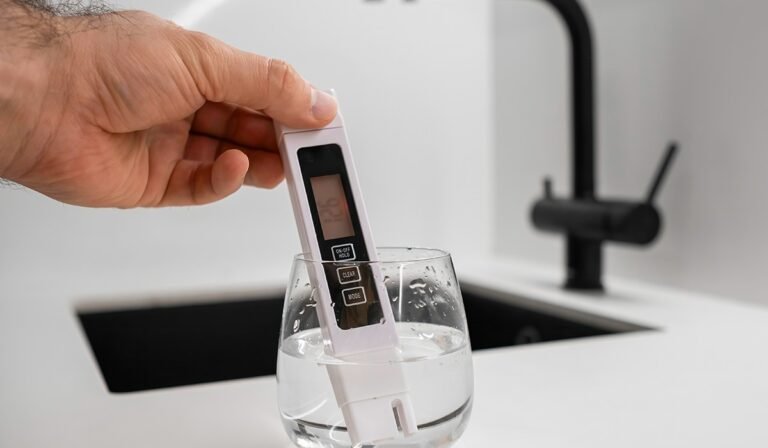
Testing and assessment help remove that uncertainty. They make the recommendation more accurate and help avoid wasted money. After all, nobody wants to pay for equipment that only solves half the problem.
Preparing the Space Properly
Before installation begins, the property itself needs to be ready. Water treatment systems need space, access, drainage, correct plumbing connections, and sometimes electrical support. If the area is cramped, cluttered, or poorly chosen, future servicing can become awkward.
Good site preparation means checking the installation location before the work starts. It may involve clearing space, confirming pipe access, planning drainage, protecting flooring, and making sure the system can be reached for maintenance later.
This step is especially important in commercial properties where downtime matters. A restaurant, office, or hotel cannot afford unnecessary disruption because the installation area was not properly reviewed. Even in a home, nobody wants the project to take longer than needed because basic access was not planned.
Installation Should Feel Organised, Not Chaotic
A professional installation should not feel rushed or improvised. The technician should arrive with the right equipment, understand the plan, and work carefully around the property. Water may need to be shut off for a period, but that should be communicated clearly.
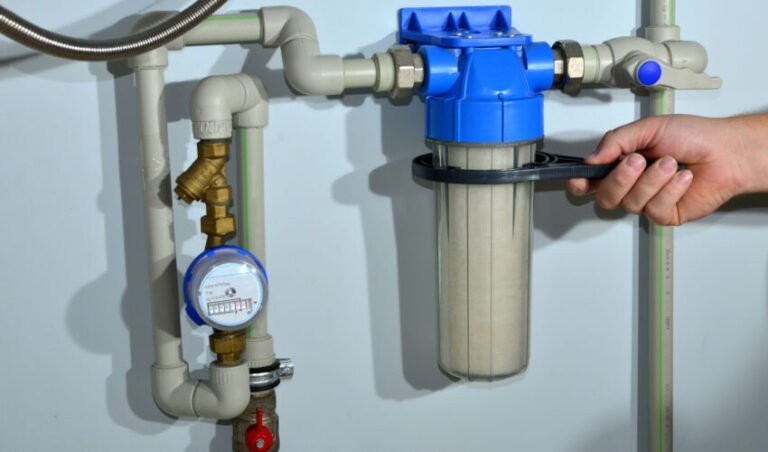
The installer should check fittings, pressure, flow, drainage, leaks, controls, and treatment performance before finishing the job. If the system has filters, tanks, valves, membranes, or settings, they should be tested and explained.
A proper professional setup gives the owner confidence that the system is not only connected, but connected correctly. That means it is positioned safely, operating as expected, and ready for everyday use.
Clear Communication Matters
Water treatment can sound technical, but customers should never be left confused. A good installer explains the basics in plain language. What does the system treat? How often do filters need to be replaced? What maintenance is required? What signs should the owner watch for?
This is not about turning the customer into a water expert. It is about giving enough information so they feel comfortable using and caring for the system.
Simple instructions can prevent simple mistakes. A missed filter change or ignored warning sign can reduce performance over time. Clear communication makes long-term care much easier.
Thinking Beyond Installation Day
A good water system should be planned for years of use, not just the first week. Maintenance access matters. Replacement parts matter. Service schedules matter. If the system is hidden in an awkward corner or installed without enough clearance, every future service visit becomes harder than it should be.
The best installations think ahead. They make sure the equipment can be inspected, adjusted, and maintained without unnecessary hassle. This is practical, sensible, and honestly, it saves time later.
Better Water Starts with Better Preparation
In the end, water treatment installation is not only about equipment. It is about process. The consultation, testing, planning, preparation, installation, and follow-up all work together.
When those steps are handled properly, the benefits are easy to feel. Water tastes better. Appliances face less strain. Fixtures stay cleaner. Daily routines become smoother. Businesses run with fewer water-related interruptions.
A well-installed water system should quietly support the property in the background. No drama, no confusion, no constant worry. Just better water, set up the right way from the start.