Water is something most of us use without giving it much thought. We turn on the kitchen faucet to fill a glass, start the washing machine, take a shower, or water the garden. It becomes part of the daily routine, and we expect it to work as it should. But when water starts leaving spots on dishes, creating an unpleasant smell, or making household appliances wear out faster than expected, those little signs can be hard to ignore.
The truth is that water quality can vary considerably from one property to another. Municipal water supplies, private wells, farms, and commercial buildings may all face different challenges. Hardness, sediment, chlorine, iron, and other contaminants can affect water in different ways, depending on the source and the plumbing system.
The good news is that you don’t have to guess what’s happening. Understanding your water quality is the first step toward choosing a treatment system that makes sense for your needs, budget, and everyday routine.
Why Water Quality Deserves More Attention
Not all water problems are easy to spot. Some are obvious, such as cloudy water or a sulfur-like smell. Others develop quietly over time.
Hard water, for example, contains elevated levels of dissolved minerals, mainly calcium and magnesium. It can leave chalky deposits on faucets, make soap harder to rinse away, and contribute to scale buildup inside water heaters and pipes. You might notice that freshly washed glasses look cloudy even when you’ve used a good detergent.
Iron can leave reddish-brown stains in sinks and laundry, while sediment may cause water to appear cloudy or collect in fixtures. Chlorine, commonly used to disinfect public water supplies, can affect taste and odor. Private well water presents its own considerations, including possible bacterial contamination or naturally occurring minerals.
These issues aren’t all solved by the same equipment. A softener designed to reduce hardness, for instance, isn’t a universal solution for bacteria or every chemical contaminant.
That’s why testing matters. It helps identify the actual problem instead of spending money on a system that may not address it.
Finding the Right Solution for Your Property
Every property has its own water needs. A family home, a working farm, and a busy commercial facility may use water in very different ways.
Effective water treatment solutions for every home, farm & business should start with understanding the water source, the intended use, and the problems that need attention. From there, treatment equipment can be selected according to measurable water conditions rather than assumptions.
Water Treatment for Homes
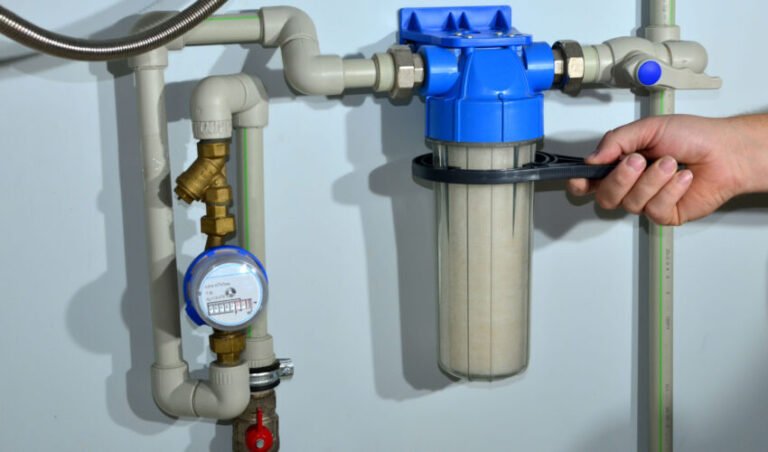
In residential settings, common concerns include hard water, unpleasant taste, sediment, and the desire for better drinking water. A whole-house filtration system can treat incoming water for specific contaminants, helping protect plumbing fixtures and improve water quality throughout the property.
Water softeners are useful when hardness is the main concern. They typically use an ion-exchange process to reduce calcium and magnesium, which helps limit mineral scale and can make everyday cleaning easier.
For drinking water, reverse osmosis systems may reduce various dissolved substances, depending on the membrane and system design. These systems are often installed at a kitchen sink, although whole-house options exist for particular applications.
The key is choosing equipment based on test results and household needs, not simply buying the system with the most features.
Water Solutions for Farms
Water quality can have a direct effect on agricultural operations. Livestock need suitable drinking water, irrigation systems can become clogged by sediment or mineral deposits, and certain water characteristics may influence agricultural processes.
A farm’s requirements depend on its water source, animals, crops, and equipment. Well water may require testing for bacteria, nitrates, and other relevant contaminants, while irrigation water may need evaluation for salinity and mineral content.
Treatment should be selected carefully because water suitable for one purpose may not be ideal for another. A qualified water professional can help determine which tests and treatment methods are appropriate for the operation.
Water Treatment for Businesses
Restaurants, hotels, offices, manufacturing facilities, and other commercial properties often depend on consistent water quality. Mineral buildup can affect commercial boilers and water heaters, while unwanted tastes or odors may create problems in food service.
In some industries, water quality is also important for production processes, cleaning standards, and equipment performance. The treatment system must account for daily demand, peak usage, and any industry-specific requirements.
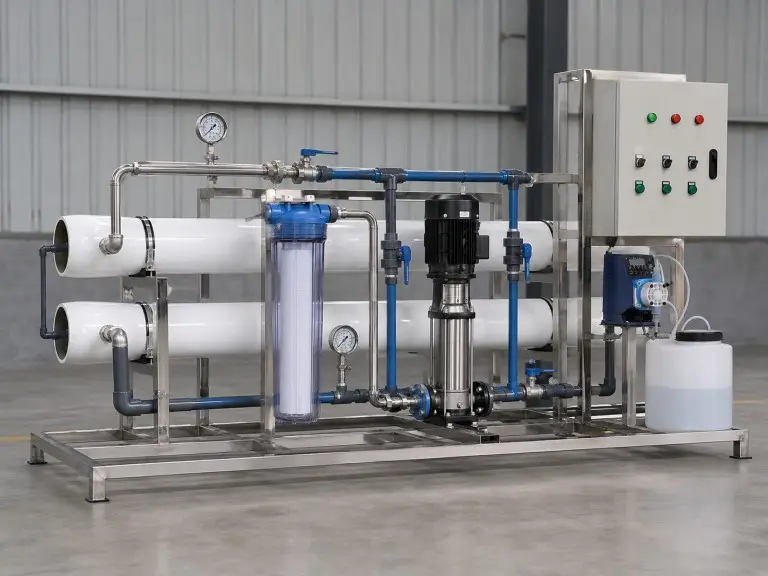
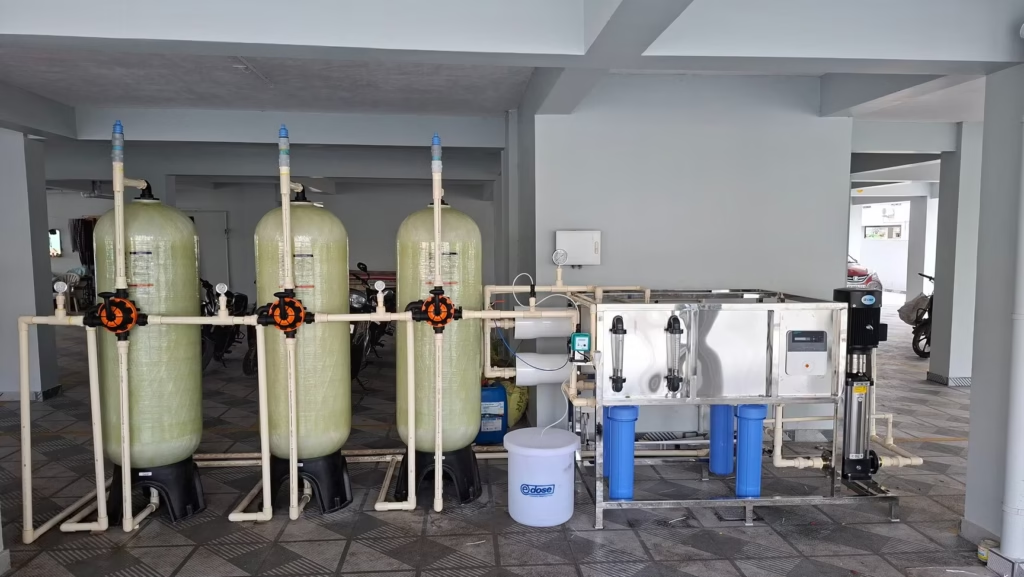
Commercial systems may include filtration, softening, reverse osmosis, or specialized treatment equipment. Proper sizing and regular maintenance help ensure that the system continues to meet operational needs.
Why Water Testing Should Come First
It can be tempting to purchase a filter after reading a few product descriptions or hearing a neighbor’s recommendation. However, water conditions can differ even between nearby properties, especially when private wells are involved.
A water test provides useful information about what is present in the supply and which treatment options may be appropriate.
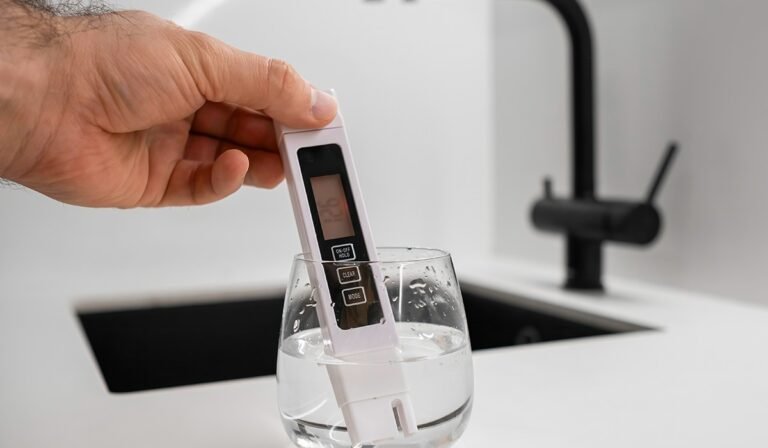
If you’re unsure where to begin, get a free water test if one is available through a reputable local provider. Ask what the test measures, whether it is a screening or laboratory analysis, and whether additional testing may be necessary for your water source.
A basic test might measure hardness, pH, iron, or other common characteristics. Testing for bacteria, nitrates, lead, or specific chemical contaminants may require dedicated methods and an appropriately qualified laboratory.
This distinction is important. A simple screening test cannot establish that water is safe from every possible contaminant.
For private wells, follow local public health recommendations for routine testing. If water suddenly changes color, taste, or smell, investigate the cause rather than assuming that a new filter will solve it.
Choosing a Treatment System That Fits Your Needs
Once the water problem is understood, compare treatment options based on performance, operating costs, maintenance requirements, and available space.
Ask whether the system is independently certified for the contaminant reduction being claimed. Certification standards and product documentation can help clarify what a particular filter or treatment unit is designed to do.
It’s also worth considering ongoing expenses. Filters need replacement, softeners may require salt, and some systems use electricity or produce wastewater. A low purchase price may not represent the lowest long-term cost.
Installation matters, too. An incorrectly sized system may struggle to meet demand, while poor installation can cause leaks, pressure problems, or inadequate treatment.
A reliable provider should explain these details in plain language, offer a clear estimate, and avoid promising that one product will solve every water issue. You deserve to understand what you’re paying for and what results you can reasonably expect.
Maintenance Makes a Difference
Even a well-chosen treatment system needs attention. Filters gradually collect material, softener components require periodic checks, and reverse osmosis membranes eventually need servicing or replacement according to the manufacturer’s instructions.
Skipping maintenance can reduce performance and increase operating costs. In certain circumstances, poorly maintained equipment may even create additional water quality concerns.
Keep a simple record of filter changes, service visits, and test results. If your water source changes or the system’s performance declines, arrange an inspection rather than waiting for the problem to become more serious.
Professional servicing can also help identify leaks, worn components, and changes in system efficiency before they lead to bigger issues.
Making Better Water Decisions for the Long Term
Good water treatment begins with understanding what you’re dealing with. Whether you’re concerned about mineral deposits at home, water quality on a farm, or reliable performance in a commercial facility, the right approach depends on testing, suitable equipment, and consistent maintenance.
When comparing our water treatment services, look for clear explanations, solutions tailored to your water conditions, and support that continues after installation. A trustworthy provider should help you understand both the benefits and the limitations of the recommended system.
Water affects nearly every part of daily life, yet improving it doesn’t have to be complicated. Start by identifying the problem, ask the right questions, and choose treatment based on evidence rather than guesswork.
With a little planning and the right guidance, you can make more informed decisions about your water and build a system that serves your property well for years to come.