There’s something easy to forget about water: just because it looks clear doesn’t mean it’s perfect. We use it for drinking, cooking, bathing, laundry, and cleaning every single day, often without giving much thought to what’s actually flowing through the pipes. Then one morning, you notice white spots on the shower door, a strange taste in your coffee, or your soap just doesn’t seem to work the way it used to.
These little signs can be frustrating, but they’re also useful clues. Water quality problems aren’t always dramatic. Sometimes they’re simply about minerals, sediment, chlorine, or other substances that affect how water feels and behaves around the house.
Why Household Water Quality Matters
Your water doesn’t have to look dirty to cause problems. Hard water, for example, can contain elevated levels of calcium and magnesium. Those minerals aren’t necessarily dangerous, but over time they can leave scale on faucets, showerheads, appliances, and plumbing fixtures.
There’s also the issue of taste and odor. Municipal water may contain disinfectants such as chlorine, which are important for keeping public water supplies safe but can sometimes affect the way water tastes or smells. Private well water can have its own challenges, including sediment, iron, sulfur odors, or other naturally occurring substances.
The important thing is not to assume every water problem needs the same solution. A little detective work first can save you money later.
Start by Understanding Your Water
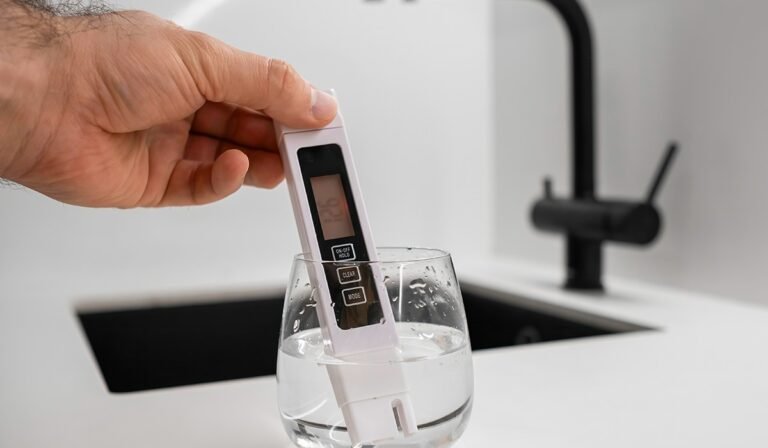
Before buying a treatment system, figure out what you’re actually dealing with. A basic water test can provide useful information about hardness, pH, iron, manganese, nitrates, and other characteristics, depending on the test.
For homeowners with well water, regular testing is particularly worthwhile because groundwater conditions can change. Even if the water has been fine for years, changes in the surrounding environment can affect it.
City water is generally monitored and treated before reaching your home, but that doesn’t mean your household plumbing has zero influence. Old pipes, sediment, or fixtures can still affect water quality after it enters the property.
What Does “No TDS Change” Actually Mean?
TDS, or total dissolved solids, is a measurement commonly used to describe the amount of dissolved material in water. It can include minerals, salts, and other dissolved substances. But here’s where things get a little confusing: a high TDS number doesn’t automatically mean water is unsafe, and a lower number doesn’t automatically mean it’s healthier.
Some treatment systems are designed to remove specific contaminants while leaving much of the mineral content intact. That’s where the idea of No TDS change can become relevant. Instead of stripping dissolved minerals from water, certain filtration approaches focus on targeted impurities, taste, odor, sediment, or other concerns.
In other words, TDS is only one piece of the puzzle. Looking at the actual composition of the water is much more useful than chasing a single number.
Hard Water Isn’t Just About Spots
Hard water tends to make itself known in annoying ways. You may see chalky deposits around faucets or cloudy marks on glassware. Shower doors can become a cleaning project of their own, and dishes may come out looking less than sparkling.
There’s another side to it, too. Hard water can make soap and shampoo feel less effective, which often leads people to use more of them. Over months and years, mineral buildup may also affect water heaters and other appliances that regularly use hot water.
A traditional water softener can reduce hardness by exchanging calcium and magnesium ions. But it isn’t the only approach homeowners consider.
When a Salt-Free Conditioner Makes Sense
Some homeowners prefer a system that doesn’t rely on salt or traditional ion exchange. A Salt-Free Conditioner is often designed to condition hardness minerals so they’re less likely to form scale, rather than removing those minerals from the water.
That distinction matters. A salt-free conditioner isn’t necessarily doing the same job as a conventional softener, and it shouldn’t be marketed as an identical replacement. The right choice depends on your water chemistry, household needs, plumbing, and what you’re trying to accomplish.
For someone mainly concerned about scale while keeping the mineral character of their water, conditioning may be an appealing option. It can also mean less salt handling and fewer regeneration-related considerations.
Whole-House Filtration Has a Different Job
Filtration is another part of the conversation, especially when the goal is improving water quality throughout the property rather than treating just one drinking-water tap.
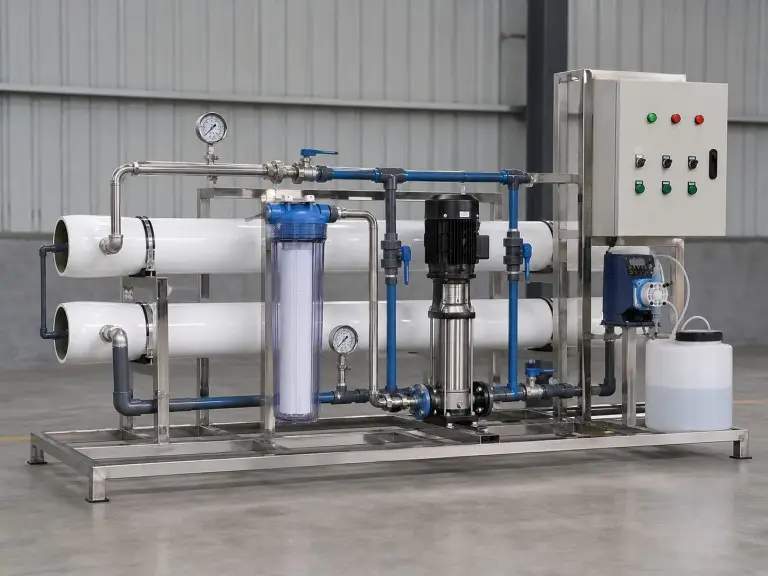
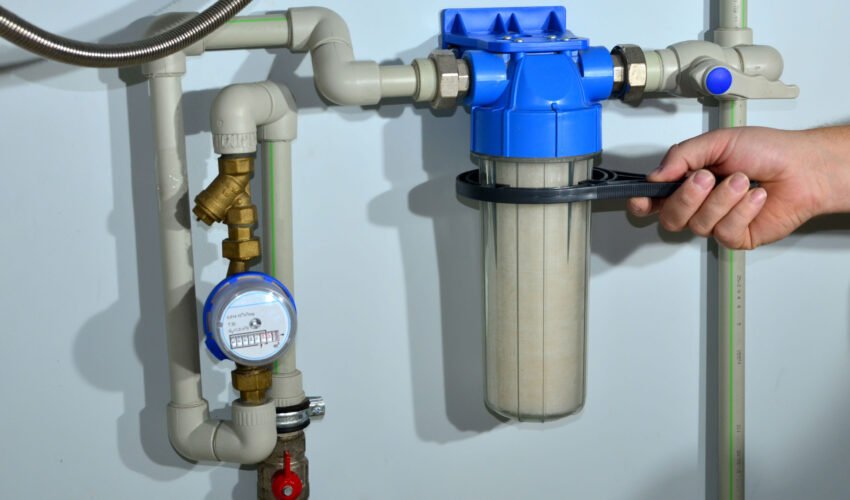
A Whole House Filtration system treats water as it enters the home, allowing filtered water to reach multiple fixtures. Depending on the system and filter media, it may target sediment, chlorine, certain odors, or specific contaminants.
That whole-home approach can be useful because water quality isn’t only about drinking. Think about the water running through your shower, washing machine, dishwasher, and sinks. If a particular issue affects the incoming supply, treating it at the point of entry can make more sense than installing individual filters everywhere.
Still, filtration systems aren’t one-size-fits-all. A carbon filter, sediment filter, iron filter, and specialized contaminant-removal system all perform different jobs. Choosing based on a test result is usually smarter than choosing based on a flashy product label.
Don’t Forget About Maintenance
Even a well-designed water treatment system needs attention. Filters eventually become saturated. Media may need replacement or servicing. Components can wear out, and water conditions can change.
Skipping maintenance defeats the purpose of installing treatment equipment in the first place. A filter that should have been replaced months ago isn’t exactly helping your water quality.
It’s worth keeping a simple maintenance calendar. Write down installation dates, filter changes, testing results, and service appointments. Nothing fancy. A note on your phone can do the job.
The Best Solution Is the One That Fits Your Water
There’s no universal “best” water treatment system. A family dealing with hard water has different needs from a homeowner worried about sediment or chlorine taste. Well water presents different questions again.
The smartest approach is surprisingly simple: test the water, understand the problem, then choose treatment based on evidence rather than assumptions.
Good water treatment isn’t about making water endlessly “purer.” It’s about making the water in your home suitable for the ways you actually use it. Once you understand what’s coming through your pipes, choosing the right solution becomes a whole lot less complicated — and usually a lot more sensible, too.