Most people don’t think about their water filter until something goes wrong. The water starts tasting different. A faucet slows to a trickle. Maybe the system begins making an odd noise, or the familiar scale around the sink quietly returns.
By then, it’s easy to wonder whether the equipment has simply reached the end of its life.
Often, it hasn’t.
Water filtration equipment is designed to work consistently, but it can’t do that forever without attention. Filters become saturated, membranes wear down, seals age, and moving components can lose efficiency. A little routine care can go a surprisingly long way.
The trick is knowing what needs to be done, when it needs to happen, and why skipping it can cost more later.
Filters Don’t Last Forever
A filter is not a permanent barrier that keeps removing contaminants indefinitely. It has a limited capacity.
As water passes through the media, substances are captured or reduced. Eventually, the filter becomes less effective and needs replacement.
That’s why complete filter changes are important rather than simply waiting until water quality becomes noticeably poor.
How often filters should be replaced depends on the equipment, water conditions, household size, and amount of water used. A family that fills multiple bottles every day will typically put more demand on a filter than someone living alone.
Follow the manufacturer’s recommended schedule, but also pay attention to changes in taste, odor, pressure, or system performance.
If the filter is overdue, don’t assume the equipment itself has failed.
Why Reverse Osmosis Needs Extra Attention
Reverse osmosis is a popular technology for drinking-water treatment because it can reduce many dissolved substances.
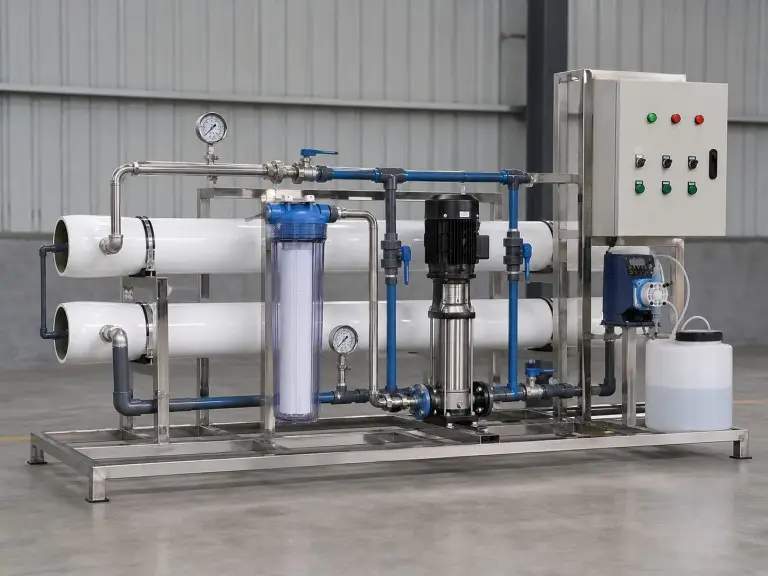
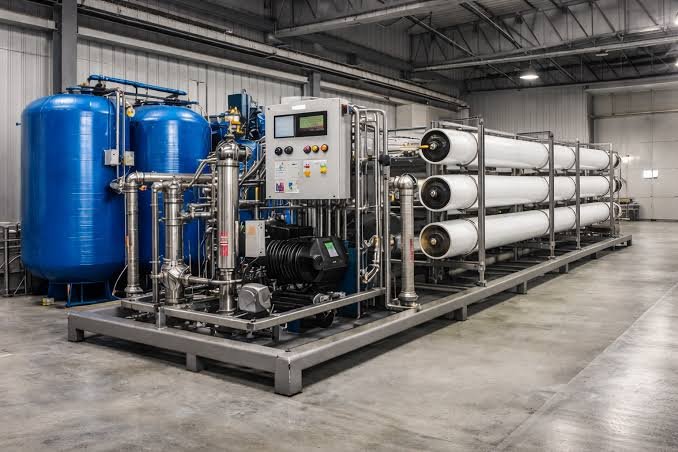
However, reverse osmosis systems have several components that need regular attention. Depending on the design, these may include sediment filters, carbon filters, a membrane, storage tanks, tubing, and a dedicated faucet.
The prefilters protect the membrane by reducing sediment and certain substances that could interfere with its performance. If they’re neglected, the membrane may have to work harder and could eventually lose effectiveness.
The membrane itself also has a service life.
RO systems can be excellent tools, but they’re not “install it and forget it” equipment. A little maintenance keeps the system working closer to the way it was intended.
What Happens When Maintenance Gets Ignored?
Neglected water treatment equipment doesn’t always fail dramatically.
Sometimes the decline is gradual.
Water may begin flowing more slowly. Taste can change. Filters may become clogged. A softener might regenerate incorrectly. A reverse osmosis system could produce less water than it once did.
Because these changes happen slowly, homeowners sometimes adapt without realizing there’s a problem.
Then one day they replace the filter and notice the difference immediately.
That moment is a useful reminder: water treatment equipment can become less effective long before it completely stops working.
Preventative Maintenance Is About More Than Filters
Changing cartridges is only one part of keeping a system healthy.
Depending on the equipment, maintenance may include checking valves, inspecting tubing and fittings, sanitizing components, checking pressure, testing water quality, cleaning tanks, and reviewing system settings.
For households that don’t want to keep track of all these tasks, preventative maintenance packages can offer a simpler approach.
A professional service plan may include scheduled inspections, filter replacement, system checks, and other routine work. The exact coverage varies, so read the details carefully before signing up.
The real benefit is consistency. You don’t have to remember everything yourself.
Water Quality Can Affect Maintenance Frequency
Not every home puts the same demand on its filtration system.
Water containing high levels of sediment, iron, hardness, or other substances may require more frequent attention than relatively clean source water.
For example, a sediment-heavy supply can clog filters faster. High contaminant loads can shorten the useful life of certain media.
This is why generic replacement schedules aren’t always perfect.
If a filter rated for a year is exhausted after six months, don’t simply keep replacing it every six months without investigating. There may be an underlying water-quality issue or a sizing problem.
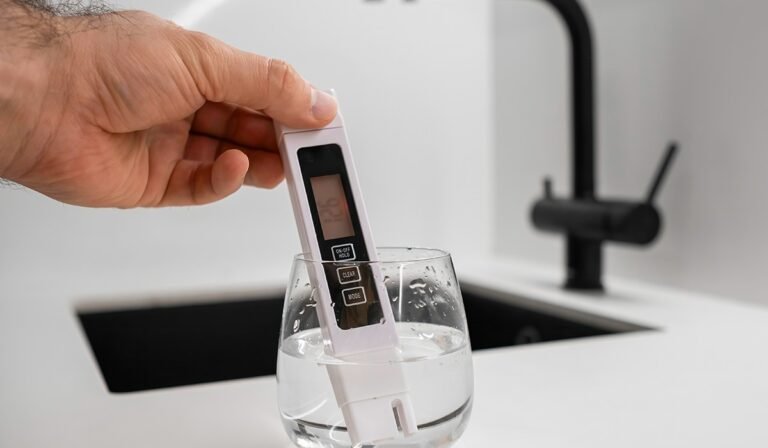
Testing can help explain what’s happening.
Don’t Forget the Small Components
Water treatment systems contain more parts than many homeowners realize.
O-rings, fittings, tubing, valves, pressure regulators, drain lines, and electrical controls can all affect performance.
A tiny leak may not seem important at first. But water around a connection can eventually damage cabinets, flooring, or nearby components.
During routine maintenance, inspect the area around your equipment for moisture, corrosion, unusual noises, or changes in pressure.
These small observations can help catch problems before they become expensive repairs.
Know When to Call a Professional
Not every maintenance job requires a technician.
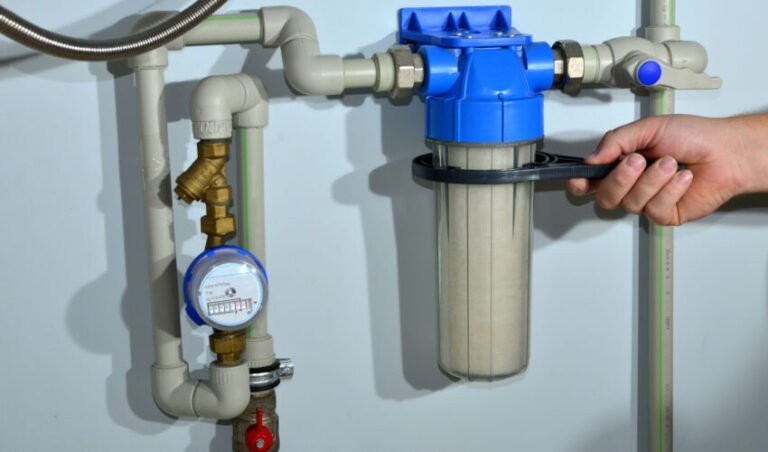
Replacing an easily accessible cartridge may be something you can comfortably handle yourself. Checking salt levels or wiping down external surfaces is usually straightforward too.
But more complicated work is different.
If the system has electrical controls, pressure problems, persistent leaks, unusual cycling, or a sudden change in treatment performance, professional service may be the safer choice.
Trying to force a repair without understanding the system can turn a relatively simple problem into a much bigger one.
When in doubt, ask.
Keep a Simple Maintenance Record
You don’t need a fancy spreadsheet.
A note on your phone can be enough.
Record the date of each filter change, the filter model, any service visits, unusual problems, and major repairs. If your equipment has a membrane or media with a longer replacement interval, write that down too.
These records become particularly useful if you move, sell the home, or need a technician to diagnose a recurring problem.
It’s also easier to notice patterns.
If you’re replacing a filter more often every year, that could be worth investigating.
Maintenance Can Protect Your Investment
Water treatment equipment isn’t usually a small purchase. Taking care of it makes financial sense.
Regular maintenance can help preserve performance, identify worn components early, and reduce the chance of avoidable breakdowns.
It can also help you get the full useful life from equipment you’ve already paid for.
That doesn’t mean every system should be kept forever. Eventually, replacement becomes the sensible choice. But regular maintenance can help you make that decision based on equipment condition rather than an unexpected failure.
Good Water Treatment Should Be Quietly Reliable
The best water treatment system isn’t the one you constantly think about.
It’s the one sitting quietly in the background, doing its job while you go about your day.
That kind of reliability doesn’t happen entirely by accident. Filters need changing. Components need checking. Membranes need attention. Water quality sometimes needs to be reassessed.
The good news is that none of this has to be complicated.
Create a basic schedule, follow the manufacturer’s recommendations, and get professional help when a problem goes beyond routine maintenance.
A few minutes of attention today can save a lot of frustration later. And when your water tastes good, flows normally, and your equipment keeps working without surprises, you’ll probably barely notice the maintenance at all—which, in a way, is the whole point.