When you need help with your home, reliability matters more than flashy promises. A contractor can have a polished website and plenty of advertising, but what most homeowners really want is simpler: someone who shows up when they say they will, understands the job, communicates clearly, and leaves the place in good shape.
That’s especially true when choosing a local service provider in British Columbia. Whether you’re dealing with a renovation, warehouse project, maintenance issue, or something more specialized, knowing how a company operates locally can make the whole experience less stressful. After all, nobody wants to spend their Saturday chasing a contractor who promised to call back on Thursday.
Why Local Experience Matters
Home and commercial projects rarely go exactly according to plan. Weather changes. Materials get delayed. A small repair reveals a larger issue behind the wall. Local experience helps a service provider deal with those everyday complications without making the customer feel like they’re carrying the whole project on their shoulders.
A company working across three locations in B.C. may also have a better understanding of regional needs than a provider operating from one distant office. British Columbia isn’t exactly one-size-fits-all. Coastal communities face different weather conditions from areas farther inland, while urban properties often come with their own access, parking, permitting, and scheduling challenges.
Local knowledge doesn’t guarantee perfect work, of course. But it can make communication easier and help crews arrive better prepared.
The Value of Having a Nearby Branch
There’s something reassuring about knowing there’s a real team nearby. When customers can speak with local staff rather than dealing entirely with an anonymous call centre, questions often get answered faster and details are less likely to disappear between departments.
A Victoria branch can be particularly useful for customers on Vancouver Island who need service, product information, scheduling support, or project guidance. Face-to-face communication isn’t always necessary, but when a project is complicated, having a local point of contact can be a big advantage.
It also gives customers a clearer idea of who they’re actually working with. That’s important because trust isn’t built through logos or slogans. It comes from ordinary interactions: a helpful phone call, an accurate estimate, a technician who explains what they’re doing, or a company that admits when something needs more investigation.
Those small things add up.
Storage and Logistics Can Affect the Customer Experience
People don’t always think about warehouses when choosing a service company. They probably should.
Behind many successful projects is an organized supply chain. Materials, equipment, replacement parts, tools, and other supplies have to be available when they’re needed. If something is missing, a straightforward job can suddenly turn into a week-long headache.
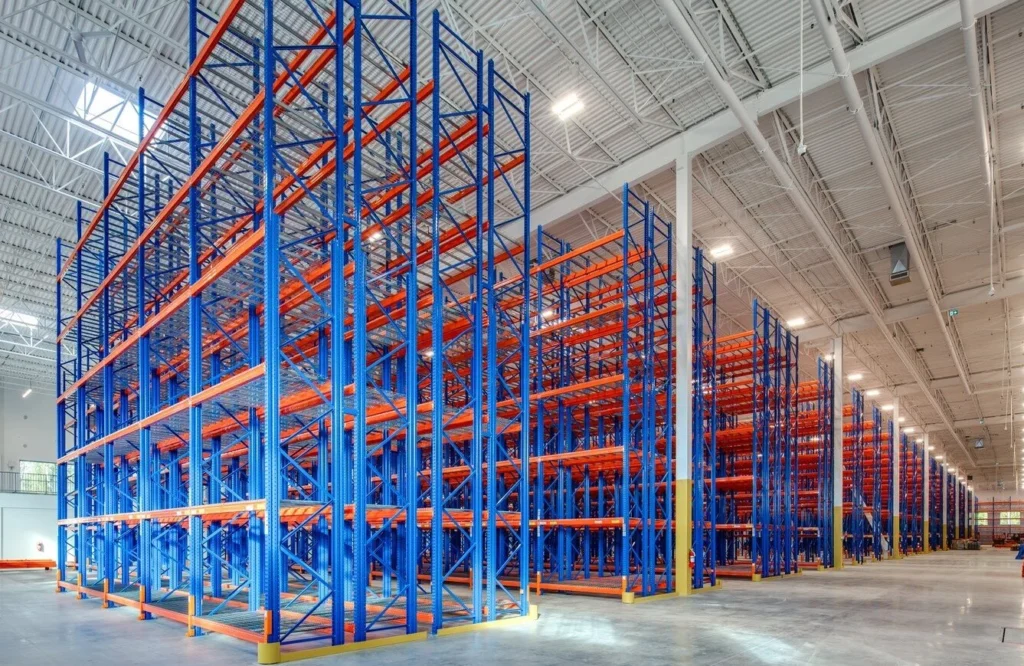
A well-managed Surrey warehouse can support efficient inventory handling and distribution, particularly when customers and project teams are working across busy Lower Mainland communities. Good logistics aren’t glamorous, but they matter. Nobody gets excited about inventory management until a critical component isn’t available on installation day.
For businesses, this becomes even more important. Delays can affect employees, customers, opening dates, production schedules, and operating costs. A dependable supplier or service provider should understand that the impact of a delay can extend far beyond the original appointment.
Look Beyond the Price Tag
Price naturally matters. Most people have a budget, and there’s nothing wrong with comparing estimates.
Still, the cheapest quote isn’t always the cheapest project.
Consider what’s included. Does the estimate cover labour, materials, disposal, follow-up service, or potential additional work? Is the company insured where appropriate? Are technicians trained for the work being performed? Does the provider have experience with projects similar to yours?
A suspiciously low price can sometimes mean important details have been left out. On the other hand, a higher quote isn’t automatically better either. The goal is value: reasonable pricing combined with dependable service, appropriate materials, clear communication, and work that holds up over time.
Ask questions before signing anything. A good company shouldn’t be irritated by reasonable questions.
Communication Is a Bigger Deal Than It Sounds
One of the most common frustrations with contractors and service providers isn’t necessarily poor workmanship. It’s poor communication.
Customers want to know what is happening. If a project is delayed, they want to hear about it. If the scope changes, they want an explanation. If an unexpected problem appears, they want to understand the options before being handed a surprise bill.
Good communication doesn’t require constant updates. In fact, too many messages can become annoying. What matters is consistency and honesty.
A simple message saying, “We found an issue behind the existing installation, and here’s what it will take to fix it,” can prevent a lot of frustration. People generally understand that unexpected problems happen. What they dislike is being kept in the dark.
Check Reviews, But Read Between the Lines
Online reviews can be useful when comparing local companies, but don’t treat a star rating as the entire story.
Read several reviews rather than only the newest or most enthusiastic ones. Look for patterns. Do customers repeatedly mention punctuality? Was the work completed as promised? Did the company respond professionally when something went wrong?
Also pay attention to how the business responds to criticism. Nobody can satisfy every customer, and an occasional negative review isn’t necessarily a red flag. A thoughtful, professional response can actually tell you something positive about the company’s attitude.
Likewise, hundreds of vague five-star reviews aren’t nearly as informative as a smaller number of detailed reviews describing actual experiences.
Think About the Long Term
A good service relationship shouldn’t end the moment the invoice is paid.
Depending on the type of project, maintenance, repairs, replacement parts, inspections, or future upgrades may eventually be necessary. Choosing a company that can support you beyond the initial job can save time later.
This is one reason established local operations can be appealing. You’re not simply buying a product or booking an appointment. You’re potentially building a relationship with a team that understands your property and your needs.
That doesn’t mean you should automatically choose the biggest company. Smaller businesses can provide excellent service too. What matters is whether the provider has the capacity, knowledge, communication, and commitment to stand behind its work.
Making a Smarter Choice
Before hiring a local service provider, take a few minutes to ask yourself:
- Is the company experienced with the type of work I need?
- Are the services and pricing explained clearly?
- Is there a convenient local point of contact?
- Do reviews show consistent customer experiences?
- Does the company have the equipment, inventory, and staffing needed?
- What happens if something goes wrong after the job is completed?
- Am I comparing value, rather than simply choosing the lowest price?
These questions don’t take long, but they can save plenty of trouble later.
Ultimately, reliable local service is about more than completing a job. It’s about making the customer feel confident from the first conversation through the final walkthrough. The best providers understand that people aren’t just paying for labour or materials; they’re paying for peace of mind.
And honestly, that’s often what makes a local company worth coming back to.