Every Home Has a Different Water Story
Water is something most of us barely think about until it starts causing problems. Maybe your shower leaves your skin feeling dry, your dishes come out with cloudy spots, or your favorite coffee just doesn’t taste quite right anymore. These little frustrations often point to one thing—hard water.
The interesting part is that hard water doesn’t always announce itself in obvious ways. Sometimes it slowly builds up inside pipes, coats appliances with mineral deposits, and quietly increases utility bills over time. It’s a gradual process, which is probably why so many homeowners ignore it for years.
That’s where water softener systems make a meaningful difference. They’re designed to reduce excess minerals like calcium and magnesium before those minerals have the chance to create expensive problems throughout your home. While the investment may seem significant at first, many people discover that the long-term savings on appliances, plumbing repairs, and household products easily outweigh the initial cost.
Hard Water Doesn’t Just Affect Plumbing
People usually associate hard water with white stains on faucets or showerheads, but that’s really only scratching the surface. The effects extend much further than what you can actually see.
Water heaters, washing machines, dishwashers, and even coffee makers gradually accumulate mineral scale. Over time, those deposits make equipment work harder, consume more energy, and wear out faster than expected. It’s a bit like asking someone to run a marathon while carrying a heavy backpack.
Clothing also feels the difference. Towels become rough instead of fluffy, darker fabrics fade more quickly, and detergent often struggles to dissolve completely. Many homeowners notice they’re using extra soap without realizing the water itself is part of the problem.
Even your daily shower changes. Soap rinses away more easily with softened water, shampoo lathers better, and skin often feels noticeably less dry afterward.
Choosing the Right Solution Matters More Than Buying the Biggest One
Not every home needs the same setup. A family of six has completely different water demands than a retired couple living in a small house. Water hardness levels also vary from one region to another, so selecting a system based solely on price rarely delivers the best results.
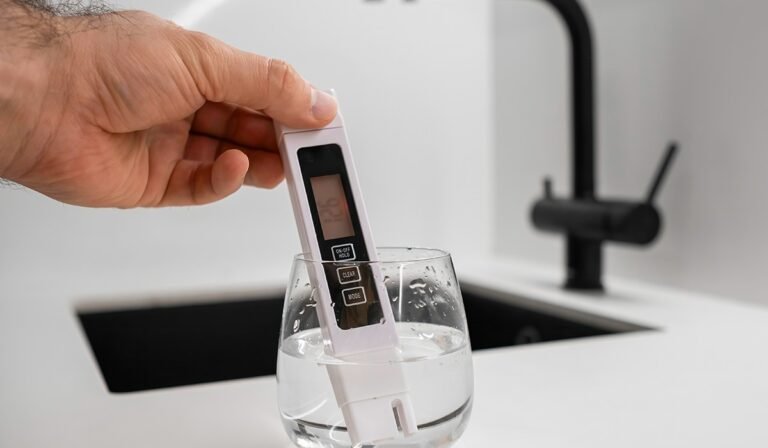
Testing your home’s water first is always worth the effort. Knowing the hardness level helps determine the correct capacity and regeneration cycle, preventing both overuse and underperformance.
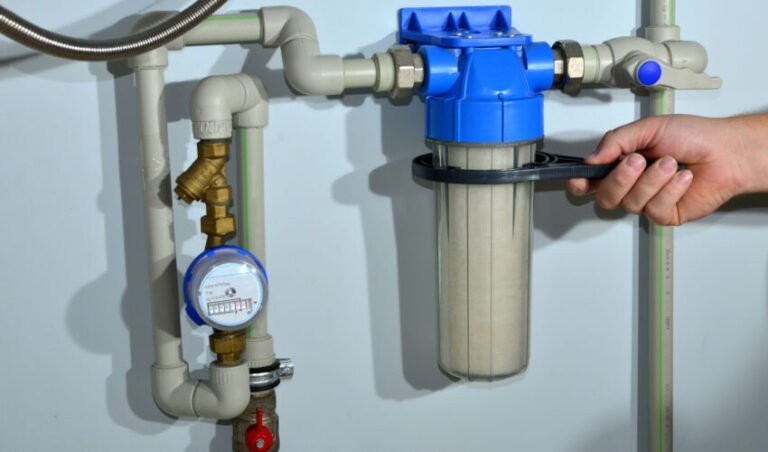
Some households also benefit from combining a softener with filtration if sediment, chlorine, or other contaminants are present. Softening addresses mineral hardness, while filtration targets different water quality concerns. Together, they create a much more balanced household water solution.
It’s a reminder that water treatment isn’t one-size-fits-all. A little planning upfront usually prevents disappointment later.
Small Habits Make a Big Difference
Owning a softener isn’t something you simply install and forget forever. Like any piece of equipment, a little attention goes a surprisingly long way.
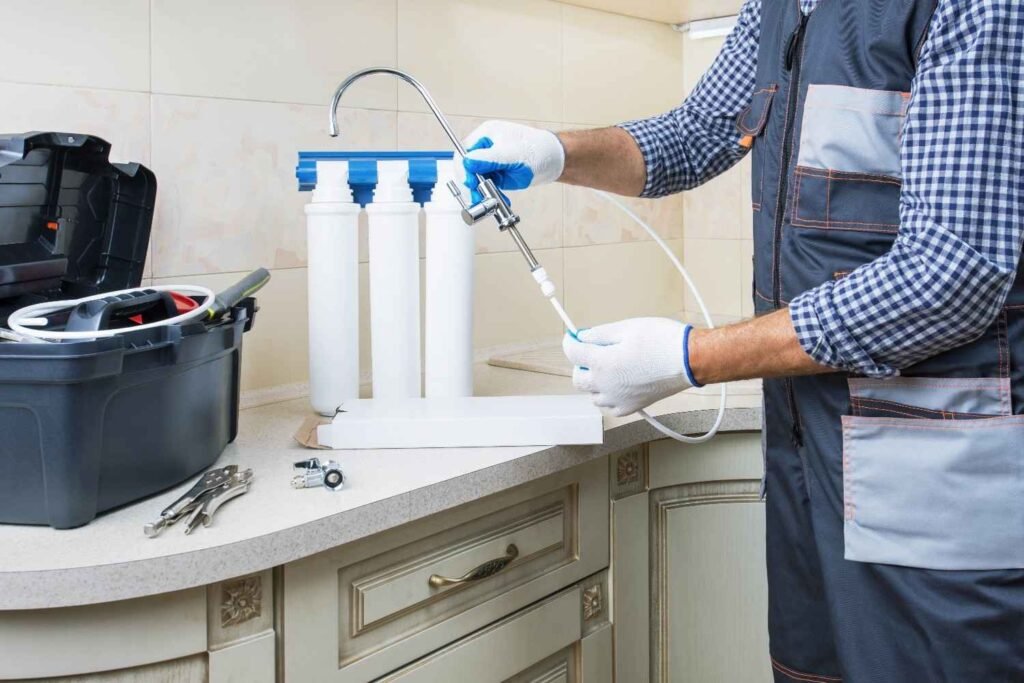
Regular maintenance keeps the system operating efficiently throughout the year. Checking salt levels every few weeks, inspecting the brine tank for buildup, and ensuring the control valve functions correctly can prevent unexpected breakdowns.
Thankfully, these tasks aren’t particularly difficult. In fact, most homeowners spend only a few minutes each month keeping everything running smoothly. Scheduling an annual inspection is also a smart idea, especially for systems that have been operating continuously for several years.
Ignoring routine care, on the other hand, often leads to unnecessary repairs that could have been avoided with simple preventative steps.
Cleaner Appliances, Better Performance
One benefit people often overlook is how softened water affects household appliances.
When mineral scale is reduced, heating elements stay cleaner. Dishwashers spray more effectively, washing machines rinse clothes more thoroughly, and water heaters require less energy to maintain temperature. That translates into lower operating costs over time.
The improvement isn’t dramatic overnight. Instead, it’s something you begin to notice after several months. Appliances sound smoother, dishes look brighter, and plumbing fixtures require less scrubbing.
Many homeowners also report improved cleaning efficiency throughout the house. Soap works the way it’s supposed to, bathroom surfaces collect less stubborn residue, and glass shower doors stay clearer between cleanings. It might seem like a small convenience, but over the course of a year, saving even a few minutes during every cleaning session adds up.
Looking Beyond Immediate Savings
People naturally compare purchase prices when shopping for water treatment equipment, but focusing only on upfront costs can be misleading.
Replacing a water heater early because of mineral buildup costs considerably more than preventing the damage in the first place. Plumbing repairs, clogged fixtures, worn-out washing machines, and excessive detergent use all contribute to hidden household expenses.
Then there’s energy consumption. Scale acts like insulation inside heating equipment, forcing systems to work longer to achieve the same results. Even modest improvements in efficiency can reduce monthly utility bills over the life of the appliance.
The financial return isn’t always instant, but it’s often steady. That’s what makes the investment worthwhile for many homeowners.
Better Water Makes Everyday Living Feel Easier
Sometimes the biggest benefits aren’t measured in dollars at all.
Morning showers become more comfortable. Freshly washed clothes feel softer. Glasses sparkle after coming out of the dishwasher without needing to be polished by hand. Faucets stay cleaner for longer, and there’s simply less frustration involved in ordinary household chores.
These aren’t dramatic lifestyle changes. They’re subtle improvements that quietly become part of everyday life until you almost forget what hard water used to be like.
Good water has a funny way of disappearing into the background—and honestly, that’s probably how it should be.
Final Thoughts
Hard water doesn’t usually create emergencies overnight. Instead, it slowly affects appliances, plumbing, cleaning routines, and even personal comfort in ways that are easy to overlook. Addressing the issue early helps protect your home’s infrastructure while making everyday tasks noticeably easier.
The right water treatment solution isn’t necessarily the most expensive one. It’s the one that matches your household’s actual needs, receives occasional care, and continues delivering reliable performance year after year.
When you look at the bigger picture, improving your home’s water quality isn’t simply about reducing mineral deposits. It’s about protecting the things you rely on every day, lowering long-term costs, and creating a home that feels just a little more comfortable in countless small ways. Sometimes those quiet improvements end up being the ones you appreciate the most.