Water is one of those everyday essentials that quietly supports nearly everything we do. We drink it without much thought, cook with it, shower in it, and trust that it will always be there when we turn on the tap. But every now and then, something changes. The water looks cloudy, leaves spots on dishes, smells a little strange, or simply doesn’t taste right. Those small differences aren’t always random. In many cases, they’re clues that your home’s water deserves a closer look.
The interesting thing is that no two homes have exactly the same water experience. Even neighbors connected to the same municipal system can notice different tastes, mineral levels, or plumbing issues depending on the age of their pipes, fixtures, and appliances. That’s why understanding your own water is much more valuable than relying on assumptions.
Every Home Has Its Own Water Story
People often assume that if their local water utility meets safety standards, every faucet delivers identical water. In reality, water changes as it travels from treatment facilities through miles of underground pipes before finally reaching your kitchen sink.
Along the way, natural minerals, pipe materials, seasonal weather, and local infrastructure all influence what eventually comes out of your tap. Homes with private wells face another layer of variation since groundwater conditions can shift over time due to rainfall, nearby construction, or changing soil conditions.
These differences explain why some families never notice an issue while others spend years dealing with recurring water problems that affect everything from drinking water to household appliances.
Small Changes Usually Mean Something
Water rarely changes overnight without a reason.
A metallic taste may point toward aging plumbing. White residue around faucets often indicates hard water. A chlorine smell can result from seasonal treatment adjustments, while earthy or musty odors sometimes come from naturally occurring organic compounds.
None of these automatically signal a health emergency, but they do provide useful information about what’s happening inside your home’s water system.
Instead of ignoring these subtle clues, it helps to pay attention. Water has a way of telling you when something deserves further investigation.
What You Can’t See Can Still Matter
One of the biggest misconceptions about drinking water is that if it looks clear, it’s perfectly clean. While appearance certainly matters, many of the substances people are concerned about are completely invisible.
Depending on where you live, contaminants in your water may include naturally occurring minerals, sediment, chlorine byproducts, agricultural runoff, heavy metals, or microscopic particles that cannot be detected simply by looking at a glass of water.
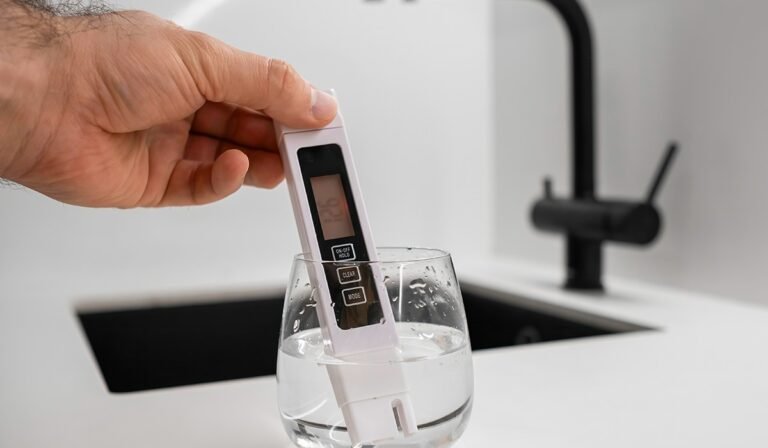
This doesn’t mean they’re always present at harmful levels. It simply highlights why occasional water testing provides far more useful information than relying on taste or appearance alone.
Knowing what’s actually in your water allows you to make informed decisions instead of guessing.
Hard Water Is More Than an Annoyance
Hard water deserves special attention because millions of households experience it without realizing how many everyday inconveniences it creates.
Minerals such as calcium and magnesium build up inside pipes, reduce appliance efficiency, shorten the lifespan of water heaters, and leave stubborn white spots on glassware. Soap becomes harder to rinse away, shampoos produce fewer suds, and laundry may feel stiff even after washing.
While hard water isn’t usually considered unsafe to drink, it can quietly increase maintenance costs throughout the home over time.
Sometimes the first sign isn’t the water itself—it’s replacing appliances sooner than expected.
Choosing the Right Filtration Isn’t About Buying the Most Expensive System
Once homeowners decide to improve their water, they’re often overwhelmed by the number of filtration products available.
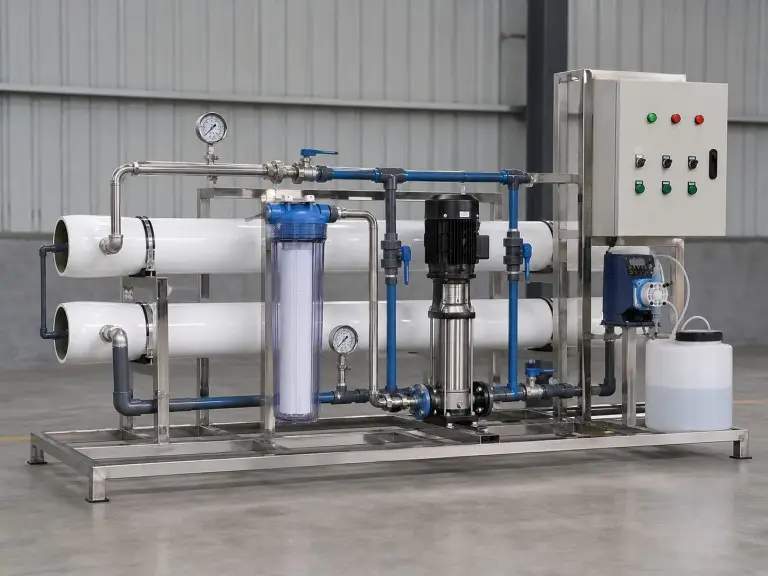
Pitcher filters, under-sink systems, reverse osmosis units, whole-house filtration, softeners, and ultraviolet treatment all solve different problems. There isn’t one universal solution because every home starts with different water conditions.
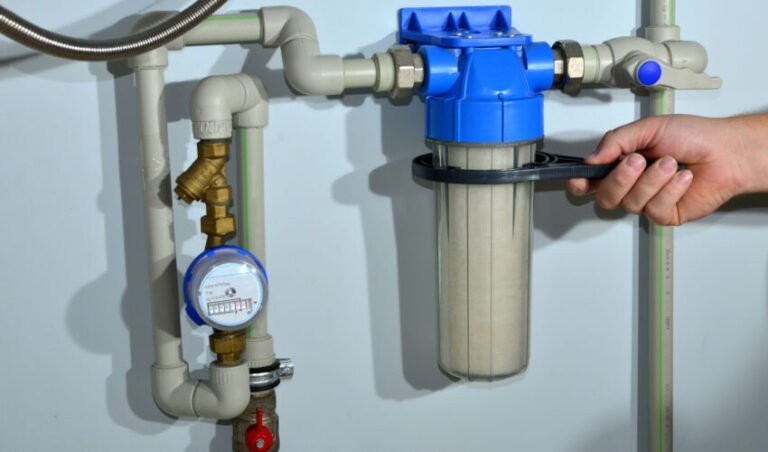
That’s where specialty water filters become especially valuable. Rather than trying to remove everything, they’re designed to target specific issues like sulfur odors, excess iron, lead, nitrates, or other localized concerns.
Selecting equipment based on actual water test results almost always produces better outcomes than choosing a filter based solely on advertisements or online reviews.
Testing First Saves Time and Money
It’s tempting to buy a filtration system as soon as water starts tasting unusual, but testing first usually prevents unnecessary spending.
A certified water analysis identifies exactly which substances are present and whether they exceed recommended guidelines. It also helps distinguish between municipal supply issues and plumbing-related problems inside the home.
In many cases, homeowners discover their expensive concerns have surprisingly simple solutions, while others learn they need a more specialized treatment system than they originally expected.
Either way, testing removes the guesswork.
Good Water Benefits More Than Drinking
People naturally focus on drinking water, but clean, balanced water influences almost every room in the house.
Cooking becomes more enjoyable when ingredients aren’t competing with mineral-heavy flavors. Coffee and tea often taste smoother. Showers feel more comfortable on skin and hair. Dishwashers leave fewer water spots, and washing machines perform more efficiently.
Even plumbing systems tend to last longer when excessive mineral buildup and corrosion are minimized.
Those small improvements add up over the years, often making water treatment one of the more practical home investments.
Paying Attention Today Helps Avoid Bigger Problems Tomorrow
Water isn’t something most of us think about every day—and honestly, that’s a good thing. Reliable water should quietly do its job in the background. But when something changes, it’s worth paying attention instead of assuming it’ll sort itself out.
Whether you’re noticing unusual tastes, stubborn mineral deposits, or declining appliance performance, those observations provide valuable information about your home’s water quality.
Understanding what’s flowing through your pipes allows you to make smarter decisions, protect your plumbing, and enjoy greater confidence every time you fill a glass. Sometimes improving your home’s water isn’t about chasing perfection. It’s simply about making everyday life a little cleaner, a little easier, and a lot more enjoyable.