Why Water Quality Plays a Bigger Role in Equipment Performance Than Most Businesses Realize
The Overlooked Connection Between Water and Equipment In many businesses, equipment gets most of the attention. Owners carefully select machines, compare specifications, negotiate warranties, and schedule…
The Overlooked Connection Between Water and Equipment
In many businesses, equipment gets most of the attention. Owners carefully select machines, compare specifications, negotiate warranties, and schedule maintenance. Whether it’s a restaurant ice machine, a coffee brewer, a commercial dishwasher, or a manufacturing system, equipment often represents a significant investment.
Yet there’s one factor that quietly influences the lifespan and efficiency of that equipment every single day: water.
It’s easy to overlook because water feels ordinary. We use it constantly, and most of the time it works exactly as expected. But over months and years, the quality of water moving through equipment can have a surprisingly large impact on performance, maintenance needs, and operating costs.
The interesting thing is that many equipment problems don’t begin with mechanical failure. They often begin with what flows through the machine every day.
Water Does More Than Power Daily Operations
Think about how many commercial systems rely on water. Restaurants use it for beverages, ice production, dishwashing, and food preparation. Hotels depend on it for guest services. Manufacturing facilities incorporate water into numerous production processes.
Because water is so deeply integrated into operations, even small changes in quality can create ripple effects.
Minerals, sediment, and other naturally occurring elements may gradually accumulate inside equipment. At first, there may be no obvious signs. Everything appears to function normally. Over time, however, these deposits can begin affecting efficiency and performance.
Like many business challenges, the effects tend to build slowly rather than appearing overnight.
The Hidden Cost of Ignoring Water Quality
One of the reasons water-related issues are often overlooked is that they rarely announce themselves immediately.
A machine may continue running despite internal buildup. Employees may not notice subtle efficiency losses. Utility bills may increase so gradually that nobody connects the change to water conditions.
Then eventually a service call becomes necessary.
What seemed like a minor issue turns into downtime, repair costs, replacement parts, or interruptions to normal operations. At that point, the true cost becomes easier to see.
Many business owners discover that proactive water management is far less expensive than reacting to avoidable equipment problems after they develop.
Equipment Protection Starts Before Problems Appear
Businesses often invest heavily in maintenance programs designed to extend the life of valuable assets. Oil changes, inspections, cleaning schedules, and preventative servicing are all common practices.
Water quality should be viewed through a similar lens.
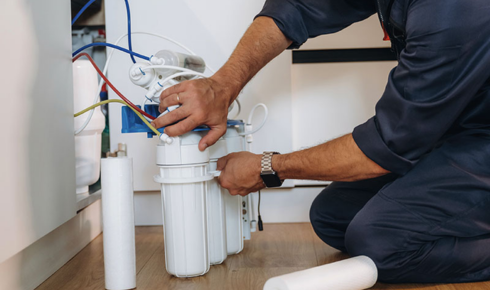
Many organizations implement solutions specifically to protect equipment from the gradual effects of scale buildup, sediment accumulation, and other water-related concerns. Rather than waiting for damage to occur, they focus on minimizing the conditions that contribute to long-term wear.
This approach isn’t about eliminating every possible risk. It’s about creating a healthier operating environment for equipment that businesses depend on every day.
Why Consistency Matters
Operational consistency is something every business values.
Customers expect the same beverage quality, the same product standards, and the same service experience each time they visit. Equipment plays a major role in delivering that consistency.
When water quality fluctuates or contributes to equipment issues, consistency can become more difficult to maintain. Machines may operate less efficiently, require more frequent adjustments, or experience unexpected interruptions.
Even small disruptions can create challenges in busy commercial environments where timing and reliability are critical.
That’s one reason water quality management has become an increasingly important part of long-term operational planning.
Modern Businesses Are Taking a More Proactive Approach
Years ago, many companies viewed water treatment as something optional. Today, that perspective is changing.
Business owners and facility managers increasingly recognize the value of preventative strategies. Rather than waiting for equipment issues to emerge, they’re looking for ways to improve efficiency and reduce operational risks from the beginning.
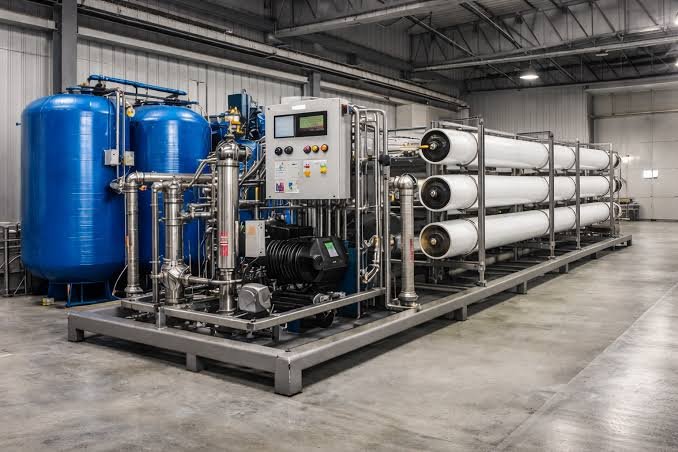
Modern water filtration systems play an important role in this approach. By addressing water conditions before they enter sensitive equipment, these systems help create a more stable environment for daily operations.
The goal isn’t simply cleaner water. It’s supporting the overall performance of the business.
Small Improvements Can Deliver Significant Savings
One of the most interesting aspects of water quality management is how modest improvements can create long-term financial benefits.
A machine that runs more efficiently may consume less energy. Equipment that experiences less buildup may require fewer service visits. Components subjected to less stress may last longer before replacement becomes necessary.
None of these benefits seem dramatic on their own.
Together, however, they can have a meaningful impact on operational expenses over time. Businesses often find that even relatively small improvements in equipment performance can generate measurable savings when viewed across months and years.
That’s particularly true in operations where water-dependent equipment runs continuously.
Looking Beyond Immediate Repairs
Many organizations focus on fixing problems as they occur. While repairs are obviously necessary when something breaks, long-term success often comes from preventing avoidable issues in the first place.
Water management fits naturally into that philosophy.
Businesses that invest in water quality improvements frequently discover opportunities to reduce maintenance costs while supporting equipment reliability. The benefits aren’t always visible day to day, but they often become apparent when reviewing service records, repair frequency, and equipment lifespan.
Preventative measures rarely attract attention when they’re working well. That’s actually part of their value.
Water Quality Is Part of Operational Efficiency
Efficiency isn’t just about working faster. It’s about eliminating unnecessary obstacles.
When equipment performs consistently, employees spend less time troubleshooting issues. Maintenance teams can focus on planned tasks instead of emergency repairs. Operations run more smoothly and predictably.
Water quality contributes to that efficiency in ways that aren’t always obvious from the outside. Yet behind the scenes, it can influence everything from equipment performance to operating expenses.
For businesses seeking sustainable improvements, water often represents an opportunity that deserves closer attention.
A Long-Term Investment in Reliability
At the end of the day, every business depends on reliability. Customers expect consistent service, employees need dependable equipment, and owners want investments that deliver value over time.
Water quality may not be the first thing people think about when discussing operational success, but its influence is difficult to ignore. It affects equipment, maintenance requirements, energy efficiency, and overall performance.
By taking a proactive approach to water management, businesses position themselves for fewer interruptions, improved efficiency, and stronger long-term results.
Sometimes the most effective improvements aren’t the most visible ones. They’re the quiet systems working behind the scenes, helping everything else perform at its best day after day.