Water problems have a way of being oddly personal. One home has cloudy glasses and scale around the faucets. Another has water that smells like chlorine after a hot shower. Someone else is tired of buying bottled water because the kitchen tap tastes flat. Same basic topic, completely different experience.
That is why choosing a water system should never feel like grabbing a random product off a shelf. Water moves through the whole house, and every household uses it differently. The right solution depends on the water source, plumbing, family size, daily habits, and the actual problem showing up.
A good water plan starts with listening. Not guessing. Not over-selling. Just understanding what the home really needs.
Why One-Size-Fits-All Usually Falls Short
Water treatment products can sound similar from the outside. Filters, softeners, reverse osmosis systems, conditioners, whole-home units — it’s easy to feel like they all do roughly the same thing. They don’t.
A softener helps reduce hardness minerals. A filtration system may improve taste, odor, or sediment. Reverse osmosis is often used for drinking and cooking water. Some homes need one of these. Some need a thoughtful combination.
That is where custom water treatment becomes useful. It means the solution is chosen around the home’s actual water conditions rather than a generic package.
Testing Gives the Real Starting Point
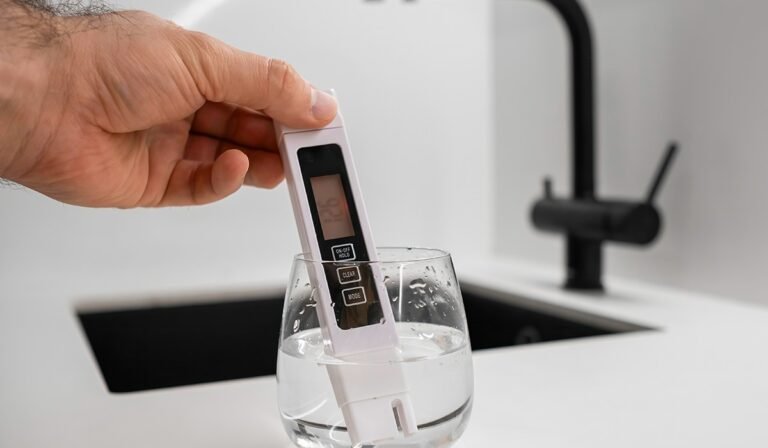
Before any system is recommended, the water should be tested. Hardness, chlorine, sediment, pH, iron, and other factors can influence what equipment makes sense. Without testing, homeowners are left guessing from symptoms.
White scale might mean hard water. A strange smell could point toward chlorine, sulfur, plumbing, or something else. Bad-tasting coffee may come from dissolved solids, treatment chemicals, or old filters.
Testing does not need to be complicated, but it does need to happen first. It saves money, avoids wrong purchases, and makes the final recommendation much more practical.
What Better Water Looks Like Day to Day
The value of better water often shows up in small routines. Coffee tastes cleaner. Showers feel fresher. Laundry rinses better. Dishes look clearer. Fixtures don’t collect buildup as quickly. Ice doesn’t carry an odd smell into every drink.
None of these things are dramatic on their own, but together they change how a home feels. A house runs on ordinary habits, and water is part of nearly all of them.
When the water improves, daily life simply gets easier.
Why Installation Quality Matters
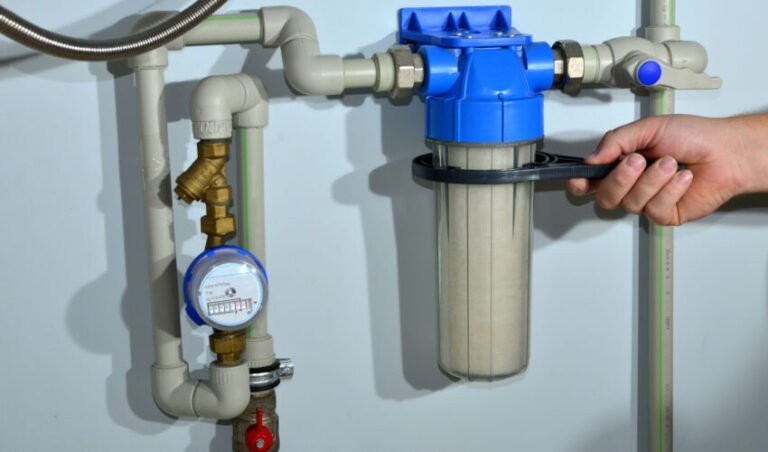
Even the right system can disappoint if it is installed poorly. Placement, pipe connections, bypass valves, drain access, water pressure, and future service space all matter. A rushed setup can lead to leaks, low flow, confusing controls, or maintenance problems later.
That is why professional installation is more than just putting equipment in place. It includes proper sizing, clean workmanship, system testing, and clear explanation for the homeowner.
A good installer should leave the area neat, make sure the system works correctly, and explain what to expect after installation.
The Home’s Water Use Matters
A system should be sized around real usage. How many people live in the home? How many bathrooms are used daily? Is there frequent laundry? Are there teenagers taking long showers? Does the household cook often or fill reusable bottles all day?
These details matter because water treatment equipment has limits. A system that is too small may struggle during peak use. One that is too large may cost more than needed.
Right-sizing is not glamorous, but it is one of the most important parts of getting reliable results.
Softening, Filtration, and Drinking Water Systems
A home with hard water may need a softener to reduce scale, spots, and soap problems. A home with chlorine taste or odor may need whole-home filtration. A family focused on drinking water may benefit from an under-sink reverse osmosis system.
Sometimes the best setup uses more than one solution. For example, a softener can help with hardness throughout the house, while reverse osmosis provides cleaner-tasting water at the kitchen sink. Whole-home filtration may support fresher water at showers and faucets.
The right combination depends on the test results and the homeowner’s priorities.
Maintenance Should Be Clear From the Start
Every water system needs care. Filters need replacement. Softeners need salt. Reverse osmosis systems need cartridge and membrane changes. Whole-home media may need periodic service depending on the design.
None of this should be a mystery. Homeowners should know what needs attention, how often it needs to happen, and what signs suggest service is needed.
Good maintenance guidance keeps results steady. It also helps the homeowner feel confident instead of confused after the system is installed.
Honest Expectations Build Trust
Water treatment should not be sold with scare tactics or wild promises. A system should be explained clearly: what it will improve, what it will not solve, and how it should perform over time.
No single product fixes every possible water concern. That’s just the truth. But the right product, chosen carefully and installed properly, can make a meaningful difference.
Honest advice is part of good service.
Final Thoughts
The best water system is not always the biggest, newest, or most expensive. It is the one that fits the home.
Start with testing. Understand the water. Choose equipment based on real conditions. Install it carefully. Keep maintenance simple. That is the practical path toward cleaner, more comfortable water throughout the home.
When the solution is built around the household, the results feel natural. The water tastes better, showers feel better, cleaning gets easier, and the whole home feels a little more dependable.