When summer heat really settles in, the air conditioner becomes more than a household appliance. It turns into a quiet little hero in the background, humming away while everyone goes about their day. You only notice how much you depend on it when the house starts feeling sticky, the vents blow weaker air, or the unit seems to run forever without making much progress.
A cooling system has a tough job during hot weather. It has to remove heat from inside the home, release it outside, keep air moving, and maintain a steady temperature without overworking itself. That sounds simple enough, but in real life, dust, age, poor airflow, and skipped maintenance can make everything harder.
Why Efficiency Matters More Than Ever
A well-running AC system does not need to fight all day to keep the home comfortable. It cools steadily, cycles properly, and uses energy in a sensible way. When something is off, even slightly, the system may still cool the house, but it takes more time and more power to do it.
That’s where energy efficiency becomes important. It is not only about saving money, although lower utility bills are certainly nice. It is also about helping the system work with less stress. Clean coils, proper refrigerant levels, sealed ductwork, and good airflow all help the AC do its job without wasting effort.
Small Habits Make a Big Difference
Homeowners sometimes assume AC care has to be complicated. In truth, a few basic habits can go a long way. Changing the air filter regularly is one of the easiest and most useful things you can do. A dirty filter blocks airflow, which makes the system run longer and can even cause freezing on the indoor coil.
Keeping vents open and clear also helps. Furniture, rugs, curtains, and storage boxes can quietly block airflow without anyone noticing. Outside, the condenser unit needs space too. Leaves, weeds, dust, and debris around the unit can make it harder for heat to escape.
The Value of Regular Maintenance
Air conditioners are not designed to be ignored year after year. They may keep running for a while, sure, but small problems tend to build quietly. A loose electrical connection, dirty coil, weak capacitor, or low refrigerant level can slowly reduce performance.
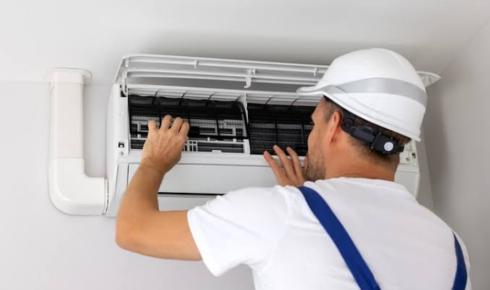
Professional HVAC maintenance gives the system a proper check before problems become expensive. A technician can clean important parts, test controls, inspect refrigerant pressure, check the blower motor, and make sure the system is operating safely. It’s not flashy work, but it often prevents those sudden breakdowns that happen right when the weather is at its worst.
When Heat Pushes the System Hard
There is normal summer use, and then there are those brutal stretches when the AC barely gets a break. During extreme heat, even a healthy system may run longer than usual. That does not always mean something is wrong. But if the house never reaches the set temperature or the air feels warm from the vents, it’s time to pay attention.
Good extreme heat performance depends on more than the unit itself. Insulation, attic ventilation, window coverings, duct condition, thermostat placement, and home layout all play a role. A poorly insulated home can lose cool air quickly, forcing the AC to work harder hour after hour.
Watch for Warning Signs
Cooling problems usually leave clues. Rising energy bills, uneven room temperatures, strange noises, weak airflow, short cycling, or water around the indoor unit should not be brushed aside. These signs may seem minor at first, but they often point to developing issues.
A buzzing sound could be electrical. A rattling noise may be loose parts. Ice on the coil may mean airflow trouble or low refrigerant. Warm air may point to several possible causes. The sooner the system is inspected, the better the chance of avoiding a major repair.
Don’t Overwork the Thermostat
Lowering the thermostat too much will not cool the house faster. It only tells the system to run longer. On very hot days, setting a reasonable temperature helps reduce pressure on the AC while still keeping the home comfortable.
Using ceiling fans can also help rooms feel cooler, though fans do not actually lower the air temperature. Closing blinds during peak sunlight, sealing small air leaks, and avoiding heat-producing appliances during the hottest part of the day can all support the cooling system.
Comfort Comes From Smart Care
A dependable AC system is not just about cold air. It is about balance. The equipment, airflow, maintenance, insulation, and daily habits all work together. When one part is neglected, comfort starts slipping.
Taking care of your cooling system does not have to be complicated. A clean filter, seasonal tune-up, clear outdoor unit, and quick response to warning signs can make a noticeable difference. And when the heat outside feels relentless, that steady indoor comfort is something you’ll be glad you protected.