The Smart First Step to Better Water Starts with Understanding What’s in It
Most Water Problems Aren’t Obvious at First Water has a unique way of blending into the background of our lives. It’s there when we wake up,…

Most Water Problems Aren’t Obvious at First
Water has a unique way of blending into the background of our lives. It’s there when we wake up, make coffee, cook dinner, wash dishes, and fill a glass before bed. Because it’s always available, most of us don’t spend much time thinking about it.
Then one day, something catches our attention.
Maybe the water tastes different. Maybe there are spots on dishes that seem harder to remove than usual. Perhaps a neighbor mentions installing a filtration system, and suddenly you’re wondering if your home’s water could use a closer look too.
What’s interesting is that many water-related issues aren’t immediately visible. Water can appear perfectly clear while still containing minerals, contaminants, or characteristics that affect taste, odor, or overall performance throughout the home.
That’s why understanding your water is often more important than guessing about it.
Why Every Home Has a Different Water Story
One of the biggest misconceptions about water quality is the idea that everyone experiences the same conditions.
In reality, water varies tremendously depending on where you live. Some homes receive water from municipal systems, while others rely on private wells. Local geology, treatment methods, infrastructure age, and environmental factors all influence the final water that comes through your faucet.
Two homes located only a few miles apart can have surprisingly different water characteristics.
This is why recommendations that work perfectly for one homeowner may not be ideal for another. Water quality is personal. It reflects the unique conditions surrounding a particular property and water source.
Understanding those differences is often the key to making smart decisions.
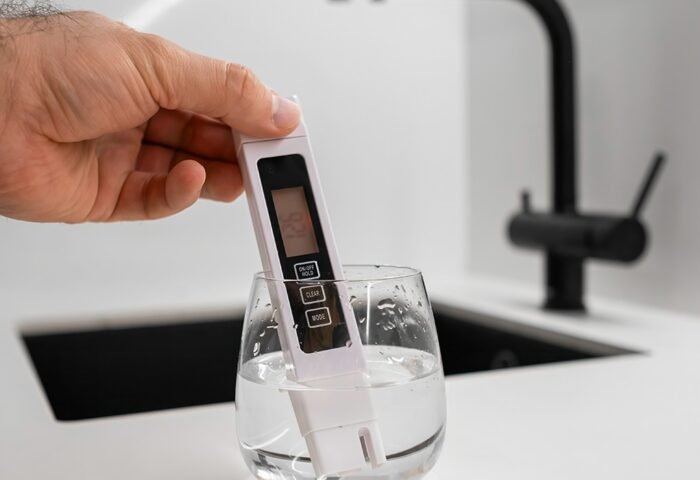
The Value of Testing Instead of Guessing
People often make assumptions about their water based on taste, appearance, or information they’ve heard from friends and neighbors.
While those observations can be helpful, they don’t tell the whole story.
A glass of water that looks crystal clear may still contain minerals or substances that affect household systems. On the other hand, water that tastes unusual isn’t always unsafe. Sometimes the cause is relatively minor and easy to address.
That’s where testing becomes valuable.
When professionals analyze your water, they move beyond assumptions and focus on actual data. Instead of guessing what may be happening, homeowners gain a clearer understanding of the specific characteristics affecting their water supply.
Knowledge tends to remove uncertainty, and that’s a powerful thing.
Water Impacts More Than Just Drinking
Most people begin thinking about water quality because of what they drink. That makes sense. Drinking water is an essential part of daily life.
However, water influences far more than hydration alone.
It affects cooking, coffee brewing, ice production, bathing, laundry, cleaning, and even the lifespan of certain household equipment. Water heaters, dishwashers, washing machines, and plumbing fixtures all interact with water every single day.
Over time, water characteristics can influence efficiency, maintenance requirements, and overall household comfort.
That’s why many homeowners eventually realize that water quality is really a whole-home issue rather than simply a kitchen faucet concern.
Understanding the Results Matters
Testing is only the beginning.
The real value comes when experts review the results and explain what those findings actually mean. A laboratory report filled with technical measurements can be confusing for the average homeowner. Numbers alone don’t always tell a useful story.
Interpretation matters.
A good evaluation helps homeowners understand whether specific findings require attention, what effects they may have on daily life, and whether any improvements might be beneficial.
Sometimes the results confirm that everything is functioning exactly as expected. Other times, they reveal opportunities to improve taste, efficiency, or overall water quality.
Either way, homeowners gain clarity.
And clarity often leads to better decisions.
Why Water Quality Conversations Are Growing
A decade ago, most homeowners rarely discussed water quality beyond occasional comments about taste.
Today, the conversation is much broader.
People are more informed than ever before. They have access to educational resources, testing services, water reports, and treatment technologies that were once difficult to understand or obtain.
This increased awareness has encouraged homeowners to take a more proactive approach.
Rather than waiting for obvious problems to appear, they’re learning about their water and evaluating options before issues become frustrating or expensive.
It’s a practical mindset.
After all, preventive action is usually easier than reactive action.
Choosing Solutions Based on Facts
One challenge many homeowners face is navigating the overwhelming number of products and systems available on the market.
Every advertisement seems to promise perfect water. Every product claims to solve a long list of potential concerns.
The reality is much simpler.
Effective water treatment should be based on actual water conditions rather than marketing claims. A system that’s ideal for one household may be completely unnecessary for another.
That’s why testing remains such an important first step.
When homeowners understand what’s present in their water, they can focus on targeted solutions rather than broad assumptions. This often saves money while producing better results.
In many cases, less really is more.
Small Improvements Often Create Big Benefits
People sometimes expect water improvements to create dramatic transformations overnight.
The truth is usually more subtle.
Water may taste cleaner. Coffee may seem more consistent. Household fixtures may require less maintenance. Family members may drink more water simply because they enjoy it more.
These aren’t life-changing events, but they are meaningful improvements that show up repeatedly throughout everyday life.
Because water is used so often, even modest improvements tend to have a noticeable impact over time.
It’s a bit like improving the lighting in a room. The change might seem small at first, but once you’ve experienced it, it’s hard to imagine going back.
Building Confidence in Your Home’s Water
At its core, water testing isn’t really about finding problems.
It’s about building confidence.
Confidence that your family understands what they’re using every day. Confidence that decisions are being made based on facts rather than assumptions. Confidence that any improvements are addressing actual needs instead of hypothetical concerns.
That peace of mind has value.
For many homeowners, understanding their water becomes just as important as improving it.
Final Thoughts
Water plays an essential role in nearly every aspect of daily life, yet it’s often one of the least understood parts of homeownership. From drinking and cooking to cleaning and household maintenance, water quietly supports countless routines.
The good news is that gaining a better understanding of your water doesn’t have to be complicated. Testing, evaluation, and professional guidance can provide valuable insight into what makes your water unique.
When you know what’s in your water, you’re no longer relying on guesses. You’re making informed decisions based on real information.
And when it comes to something you use every day, that’s a smart place to start.