Clean Water Shouldn’t Stop at the Kitchen Sink
Most people start thinking about better water at the kitchen tap. That makes sense, of course. It’s where the coffee is made, where vegetables are rinsed,…

Most people start thinking about better water at the kitchen tap. That makes sense, of course. It’s where the coffee is made, where vegetables are rinsed, where a glass gets filled before bed. But water doesn’t only live in the kitchen. It runs through showers, laundry machines, bathroom sinks, dishwashers, ice makers, and every little corner of a home that depends on plumbing.
And that’s where the conversation gets more interesting. A single filter on one faucet may improve drinking water, but it doesn’t do much for the rest of the house. If the shower still smells like chlorine, the laundry still feels stiff, and the dishwasher keeps leaving cloudy spots, the home may need a broader solution.
Why Whole-Home Filtration Makes Sense
Water can carry minerals, sediment, chlorine, odors, and other unwanted elements depending on the source. Some homes deal with hard water. Others notice a chemical taste. Well water may bring its own concerns, like iron, sulfur smells, or particles that settle in fixtures. Even city-treated water can feel less than ideal once it reaches the home.
That’s why many homeowners like the idea of having filtered water from every tap instead of relying on small, separate filters around the house. It creates a more consistent experience. The water used for bathing, cooking, washing clothes, and cleaning all passes through treatment before it reaches the fixture.
It’s not about being fancy. It’s about making daily routines feel cleaner and easier.
The Everyday Signs Are Easy to Miss
Water problems are not always dramatic. Sometimes they show up as little annoyances. A shower that leaves your skin feeling dry. A glass that has spots after drying. A strange smell when hot water runs. A washing machine that never seems to get towels quite soft enough.
These things are easy to blame on soap, detergent, appliances, or cleaning habits. And sometimes those are part of the issue. But often, the water itself is playing a bigger role than people realize.
When water contains excess minerals or chemicals, it can affect how products perform. Soap may not lather well. Shampoo may feel harder to rinse out. Laundry may need more detergent. Over time, all those small frustrations start to feel normal, even though they don’t have to be.
Water Quality Affects More Than Taste
Good water quality is not only about whether a glass of water tastes fresh. It also affects the home’s plumbing, appliances, fixtures, and overall comfort. Hardness minerals can create buildup inside pipes and water heaters. Sediment can collect in screens and valves. Chlorine can affect smell and taste, especially in showers and drinking water.
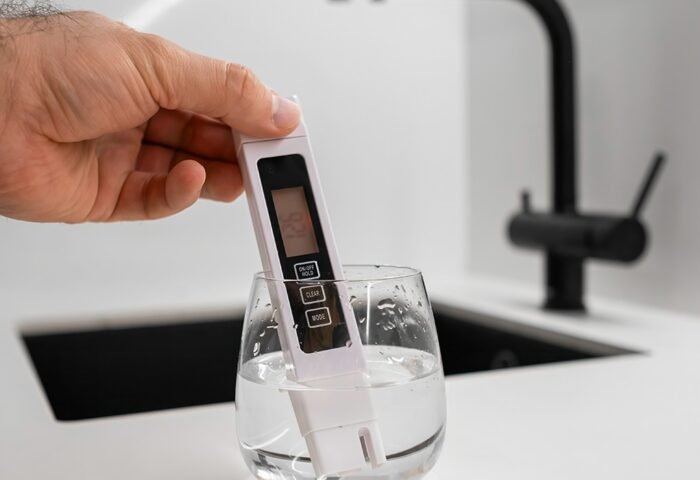
A proper water test is usually the best starting point. Guessing rarely works well because different problems need different solutions. A carbon filter may help with chlorine taste and odor. A water softener may be better for hardness. Sediment filtration can protect fixtures and equipment. In some homes, a combination works best.
One System, Less Guesswork
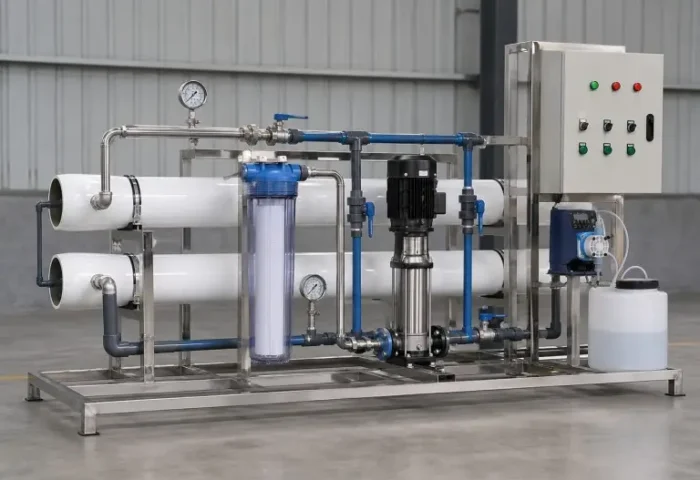
There is something practical about treating water before it moves through the entire house. Instead of adding a filter here, another cartridge there, and a pitcher in the fridge, a whole-home approach simplifies things. It gives the household one central solution designed around the actual water conditions.
That doesn’t mean every system looks the same. A home with municipal water may need a different setup than a home using a private well. A family of five may use more water than a retired couple. The right system should be sized and selected based on real use, not a generic recommendation.
Choosing the Right Home Setup
A well-planned home water system should fit the property, the plumbing, and the people living there. It should be easy to maintain, installed cleanly, and designed to target the specific issues found during testing. That part matters more than many homeowners expect.
The best providers usually begin by asking questions. How many bathrooms are in the house? Is the water from a well or city supply? Are there stains, odors, spots, or taste concerns? How much water does the household use? Those answers help shape a solution that actually makes sense.
Installation and Maintenance Matter
Even good equipment can disappoint if it’s installed poorly. The system should be placed where it can be serviced easily, connected properly, and explained clearly to the homeowner. No one should be left staring at tanks, valves, and filters wondering what to do next.
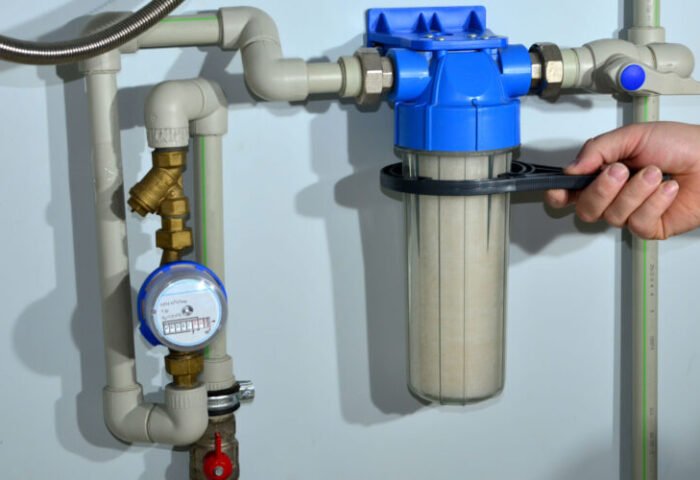
Maintenance also keeps performance steady. Filters may need changing. Softener salt may need checking. Some systems require periodic service depending on water conditions. It’s simple enough when planned properly, but ignoring it can reduce results over time.
A Better Feeling Throughout the Home
The real value of whole-home water treatment often shows up quietly. Showers feel better. Laundry feels cleaner. Dishes look clearer. Fixtures stay nicer for longer. Drinking water becomes more pleasant, yes, but so does everything else that water touches.
Clean water should not feel like a special feature reserved for one faucet. It should be part of the whole home experience. When the right system is in place, water becomes less of a daily problem and more of what it was supposed to be all along — simple, useful, and dependable.