Sometimes Comfort Slips Away Quietly
Homes rarely change overnight. Most of the time, the signs appear gradually. A room feels a little colder during winter. The living room seems harder to cool during summer afternoons. Maybe you hear more outside noise than you used to, or you notice condensation gathering near the windows after a rainstorm.
Because these changes happen slowly, many homeowners simply adapt. We grab an extra blanket, adjust the thermostat, or shrug and assume it’s part of owning an older house. But the truth is that small issues around windows and doors can quietly affect comfort, energy costs, and even the long-term condition of a home.
What makes these problems tricky is that they often seem insignificant at first. Yet when left alone, they can grow into larger concerns that require more expensive solutions.
Why Windows Matter More Than We Realize
Windows do much more than provide a view. They allow natural light into our homes, help with ventilation, and contribute to the overall appearance of a property. They’re also part of the building envelope—the barrier that separates indoor comfort from outdoor weather conditions.
When windows are functioning properly, most people never think about them. They simply do their job. But once seals weaken, frames deteriorate, or glass becomes damaged, performance begins to decline.
The result isn’t always dramatic. Often it’s a collection of small inconveniences that gradually add up over time.
Chasing Down Drafts Before They Become a Problem
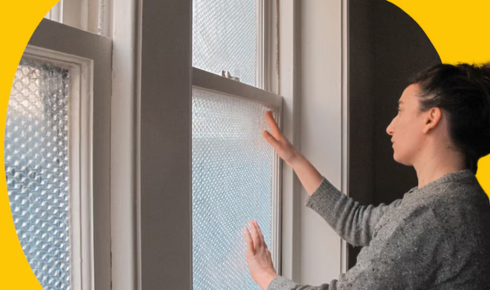
One of the most common complaints homeowners have is feeling cold air near windows during winter. Sometimes the source isn’t immediately obvious. A tiny gap in a frame or worn weatherstripping can allow air infiltration that affects an entire room.
Addressing draft reduction early can significantly improve comfort without requiring a complete window replacement. Professional inspections often uncover small weaknesses that homeowners might overlook. Sealing gaps, replacing worn materials, or correcting installation issues can make a surprisingly noticeable difference.
The best part is that these improvements often provide benefits immediately. Rooms feel more comfortable, temperatures remain more consistent, and heating systems don’t have to work quite as hard.
The Hidden Impact of Damaged Glass
A cracked window isn’t always just a cosmetic issue. Even minor damage can affect performance, safety, and efficiency.
In some cases, homeowners assume they need an entirely new window when only the glass portion requires attention. That’s where glass repair becomes a practical and cost-effective solution. Replacing damaged panes or addressing seal failures can restore functionality while preserving existing window frames.
Foggy windows are another common issue. When moisture appears between panes, it often indicates that the insulating seal has failed. Although the problem may seem minor initially, it can reduce thermal performance and affect visibility.
Taking action sooner rather than later usually prevents additional complications.
Energy Bills Often Tell a Story
If you’ve noticed utility costs steadily climbing despite no major changes in your household, your windows may be contributing to the problem.
Air leakage, deteriorating seals, and aging glass technology can allow conditioned air to escape. Heating and cooling systems compensate by working longer and harder to maintain desired temperatures.
The challenge is that these losses are largely invisible. Unlike a dripping faucet or a broken appliance, inefficient windows quietly waste energy in the background.
This is one reason many homeowners choose to evaluate their windows whenever utility bills begin trending upward.
Looking Beyond the Window Itself
When discussing efficiency, people often focus entirely on the glass. Yet the surrounding structure matters just as much.
Proper home insulation works together with windows to create a comfortable indoor environment. Even the highest-quality windows can struggle if surrounding walls, framing, or attic spaces are poorly insulated.
A comprehensive approach often delivers the best results. Rather than treating windows as isolated components, it’s helpful to consider how they interact with the rest of the home’s energy system.
This broader perspective frequently leads to smarter investment decisions and better long-term outcomes.
Comfort Isn’t Just About Temperature
One interesting thing homeowners often discover after improving window performance is that comfort extends beyond heating and cooling.
Reduced drafts make rooms feel cozier. Better seals can decrease outside noise. Improved glass performance may reduce glare while allowing natural light to enter more evenly.
These subtle improvements enhance daily life in ways that are difficult to measure but easy to appreciate. Sometimes it’s simply enjoying a favorite chair near a window without feeling a chilly breeze on your shoulder.
Little moments like that matter.
Moisture Deserves Attention
Water has a remarkable ability to find its way into places it doesn’t belong. Small leaks around windows can allow moisture to enter walls, insulation, and flooring materials.
The danger is that water damage often remains hidden until visible symptoms appear. Stains, peeling paint, mold growth, or warped materials may indicate that moisture has been present for quite some time.
Routine inspections can help identify warning signs early. Looking for cracked caulking, damaged seals, or soft wood around frames may prevent larger repair projects later.
A few minutes of attention today can save significant expense tomorrow.
Knowing When Repair Makes Sense
Not every window problem requires replacement. In fact, many issues can be corrected through targeted repairs that restore performance and extend lifespan.
Factors such as window age, overall condition, frame integrity, and the nature of the problem all influence the decision. An experienced professional can evaluate the situation and recommend the most practical solution.
Sometimes a repair is all that’s needed. Other times replacement may provide greater value over the long term. The key is understanding the difference before committing to a major project.
Small Investments, Lasting Benefits
One thing I find interesting about home maintenance is how often small improvements produce outsized results. Fixing a draft, replacing damaged glass, or improving insulation may not sound exciting, but these upgrades can transform the feel of a home.
They improve comfort, reduce waste, protect property value, and help prevent larger issues from developing. That’s a pretty impressive return from what often begins as a relatively modest project.
Final Thoughts
A comfortable home isn’t created through one major renovation. More often, it’s the result of many thoughtful decisions made over time. Paying attention to windows, insulation, and small repair needs can have a meaningful impact on daily living.
Whether you’re dealing with drafts, damaged glass, rising energy costs, or moisture concerns, addressing problems early almost always pays off. Homes respond well to consistent care, and windows are one of the best places to start.
Sometimes the smallest improvements are the ones you appreciate every single day.