Most homeowners don’t think about water treatment until the water starts making itself impossible to ignore. Maybe the shower glass has spots again, even though you cleaned it two days ago. Maybe the coffee tastes flat. Maybe the laundry feels a little stiff, or the tap water smells faintly like chlorine when it gets warm.
These are not huge emergencies. They are the kind of small, everyday annoyances people learn to live with. But they do have a cost. More scrubbing. More bottled water. More wear on appliances. More wondering whether the water is actually as clean and comfortable as it should be.
The good news is that water problems are usually easier to understand once you stop guessing. A proper treatment plan starts with the water itself — where it comes from, what is in it, and how your home uses it every day.
Why Water Treatment Is Not One-Size-Fits-All
Every home has different water. City water may have chlorine taste, hardness minerals, or sediment from aging pipes. Private well water may bring iron, sulfur odors, bacteria concerns, or natural minerals from underground. Even two homes in the same neighborhood can have different water issues.
That is why the best system is not always the most expensive one. It is the one that solves the actual problem.
A family that struggles with scale may need something different from a family that wants better drinking water. A home with gritty sediment needs a different approach than one dealing with chemical taste. Testing helps narrow it down so the solution fits the need, not just the symptom.
When Hard Water Starts Taking Over
Hard water is one of the most common reasons homeowners begin looking into water softening. It happens when water contains higher levels of calcium and magnesium. These minerals are natural, but they can be surprisingly stubborn around the house.
You may notice white buildup on faucets, cloudy spots on dishes, soap that does not lather well, or shower doors that never quite stay clean. Over time, hard water can also leave scale inside water heaters, dishwashers, washing machines, and plumbing fixtures.
A properly sized softener can help reduce these hardness minerals before they move through the home. The result is often easier cleaning, softer-feeling laundry, better soap performance, and less scale. It is not flashy, but after a few weeks, many homeowners wonder how they put up with hard water for so long.
Drinking Water Deserves Special Attention
Whole-home treatment can improve water throughout the house, but drinking water often needs a more focused solution. Taste, odor, dissolved solids, and certain impurities may matter most at the kitchen sink, where water is used for drinking, coffee, tea, cooking, and ice.
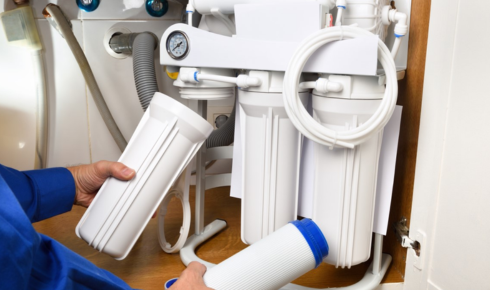
This is where reverse osmosis can be useful. RO systems are commonly installed under the sink and designed to reduce many dissolved substances that basic filters may not handle as effectively. They often include several filtration stages and provide water through a dedicated faucet.
For people tired of buying bottled water or constantly refilling pitcher filters, reverse osmosis can be a practical upgrade. It can make drinking water taste cleaner and feel more reliable, especially when paired with the right pre-treatment if needed.
Treating the Entire Home
Some water issues do not stay politely at the kitchen sink. Hardness affects showers and appliances. Sediment can clog fixtures. Chlorine odor can show up in baths. Iron or sulfur problems can affect laundry, toilets, and hot water.
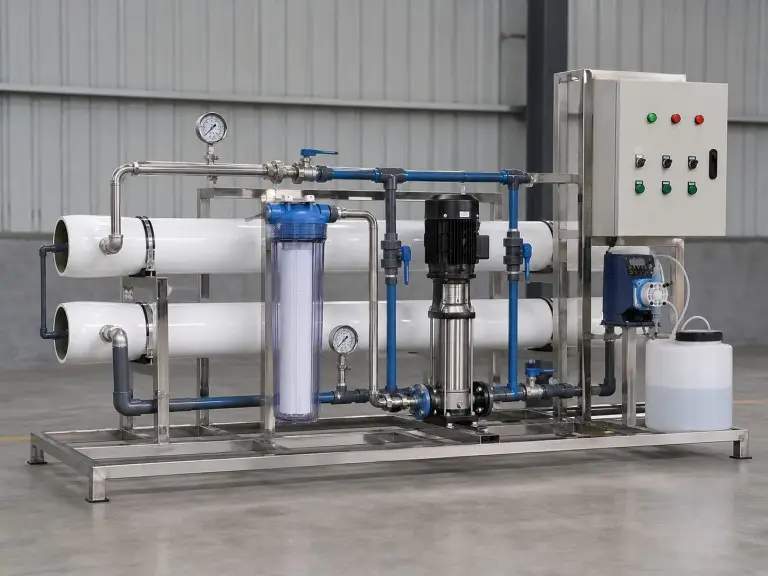
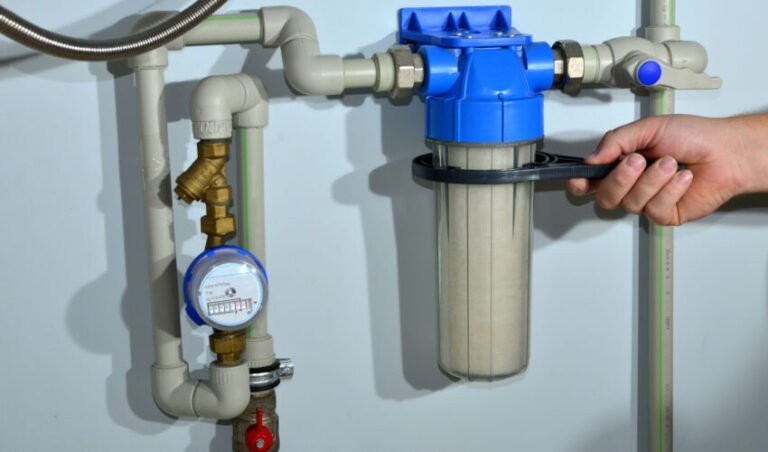
That is why whole-home filtration is often worth considering. Instead of treating one tap, the system is installed where water enters the home, helping improve water before it reaches faucets, showers, appliances, and plumbing.
Whole-home filtration may include carbon, sediment reduction, specialty media, conditioning, or several stages working together. The exact setup depends on the water test and the problems being solved.
The goal is simple: better water everywhere it matters.
Why Testing Should Come First
Buying water equipment without testing is a bit like replacing car parts without opening the hood. You might get lucky, but you might also spend money on something that does not fix the real issue.
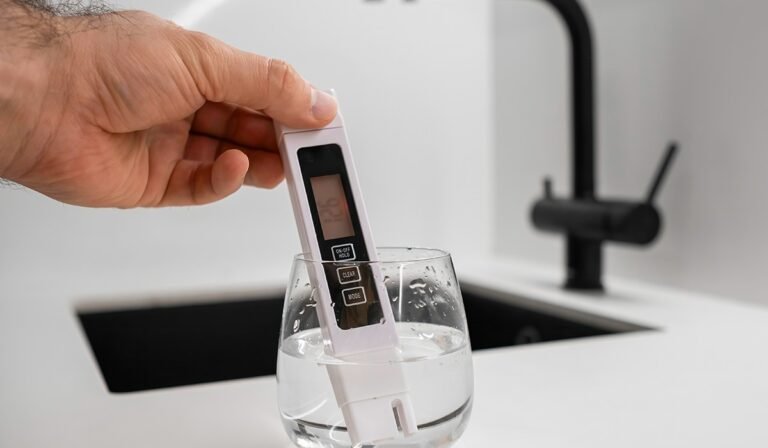
A water test can check hardness, pH, chlorine, iron, manganese, sediment, total dissolved solids, sulfur odor concerns, and other common factors. For private wells, bacteria and other safety-related tests may also be important.
Once results are clear, the system design becomes much more sensible. You know whether the priority is softening, filtration, drinking water improvement, disinfection, or a combination.
A Layered System Can Work Best
Many homes benefit from more than one type of treatment. For example, sediment filtration may come first to protect downstream equipment. A softener may follow to handle hardness. A carbon filter may improve taste and odor. A reverse osmosis system may polish drinking water at the kitchen sink.
This does not mean every home needs a complicated setup. It means each part should have a clear purpose. When a system is designed in the right order, it works more smoothly and is easier to maintain.
The mistake is expecting one small filter to solve every water issue in the house.
Maintenance Keeps Water Dependable
No system is completely maintenance-free. Filters need changing. Softeners need salt. Reverse osmosis cartridges and membranes need periodic replacement. If UV disinfection is used, lamps must be replaced on schedule.
Good maintenance should be predictable, not stressful. A properly sized system should not need constant attention. If filters clog too quickly or water problems return soon after service, the system may need adjustment or better pre-treatment.
Routine care helps keep water consistent and protects the investment.
Better Water Changes Ordinary Moments
The best thing about good water treatment is not always dramatic. It is the quiet improvement in daily life.
Dishes look cleaner. Towels feel softer. Coffee tastes better. Showers feel fresher. Fixtures stay cleaner longer. Appliances deal with less scale and buildup. You stop thinking so much about what is coming out of the tap.
That is really the point. Water should not be another household worry. It should support the way you live, clean, cook, wash, and relax.
With the right testing, thoughtful design, and proper maintenance, better water is not complicated. It is simply a smarter way to make the home feel cleaner, more comfortable, and easier to enjoy.